
Published on
December 30, 2025
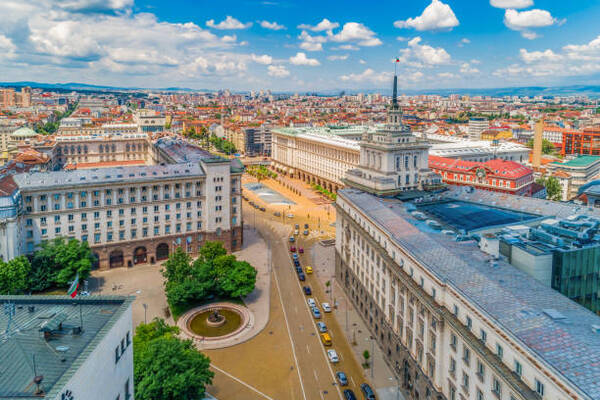
Bulgaria’s decision to adopt the euro on January 1, 2026, will have significant implications for its economy and its relationship with neighboring Greece, particularly in the northern regions. While Bulgaria has been pegged to the euro since 1999, the formal shift will remove currency exchange barriers, enhancing trade, tourism, and property transactions. Greek consumers in areas like Macedonia and Thrace, who regularly cross into Bulgaria for cheaper goods, will benefit from the elimination of exchange rate fees. Over time, the move is expected to boost tourism and simplify property purchases, with more Bulgarians likely investing in Greek real estate. Though Greece may initially see some economic leakage, the shift will foster closer ties and greater efficiency in trade between the two countries in the long run.

Bulgaria’s decision to adopt the euro on January 1, 2026, marks a significant milestone for the Balkans, with notable implications for its neighboring country, Greece. Although Bulgaria has maintained a peg to the euro since 1999, this formal shift to the common currency will bring several changes, especially for Greece’s northern regions, through factors like trade, tourism, and consumer behavior. While the value of the Bulgarian lev had already been tied to the euro for over two decades, the transition to the euro will eliminate the currency exchange barriers that have long existed.
The immediate effects of Bulgaria’s currency change will be most noticeable in Northern Greece, particularly in the regions of Macedonia and Thrace. These areas, which border Bulgaria, have seen frequent cross-border movement due to the price differences in fuel, groceries, and other goods. Greeks from towns such as Serres, Komotini, and Alexandroupoli regularly travel into Bulgaria, where they can enjoy more affordable products. The elimination of exchange rate fees and the psychological shift from the lev to the euro will likely encourage even more Greek consumers to cross into Bulgaria. As of the end of 2025, fuel in Bulgaria costs around €0.55 less per liter than in Greece, due to lower taxes. This significant price difference has already contributed to the closure of up to 50% of petrol stations near the Greek-Bulgarian border, and the adoption of the euro may further enhance Bulgaria’s position as a “discount gas station” for Greek drivers.
Over the long term, Greece may see some benefits as well. Historically, joining the Eurozone has led to a gradual increase in prices in new member states as they align with the broader European economic standards. This could mean that Bulgaria, while experiencing a rise in inflation post-adoption, may see its cost of living approach that of its Greek neighbor, potentially reducing the price gap that has made Bulgaria a popular destination for Greek consumers.
In the real estate sector, the euro’s introduction is expected to have a profound impact. Bulgarians have become the primary foreign buyers of property in Northern Greece, particularly in areas such as Kavala, Thassos, and Chalkidiki. The move to a shared currency will simplify property transactions, making it easier for Bulgarians to purchase Greek real estate without worrying about exchange rate fluctuations. This is particularly significant as Sofia’s growing middle class looks to invest in second homes on the Greek coast. The ease of cross-border mortgage lending and property transactions will likely lead to a surge in Bulgarian investment in Greek properties, many of which are being converted into Airbnb rentals. While this may lead to increased competition for Greek tourism professionals, it could also drive up property values in these coastal regions, benefiting local sellers.
Tourism between Greece and Bulgaria will also undergo a transformation. For Greek tourists, the adoption of the euro means that winter holidays in Bulgarian resorts like Bansko will feel much like domestic trips. Greek hotel chains and tour operators will no longer need to deal with currency fluctuations or currency hedging when working with Bulgarian partners, making the process more straightforward and efficient. Additionally, the ease of cross-border travel will likely result in an uptick in road tourism, with Bulgarians being able to visit Greek beaches without worrying about converting money or incurring foreign exchange fees. This increased mobility between the two nations will help foster closer ties between their tourism industries.
On the business front, the shift to the euro will have implications for tax competition. Bulgaria’s low flat corporate tax rate of 10%—well below Greece’s higher tax rate—has long made the country an attractive option for businesses seeking lower operating costs. With the euro removing the final vestiges of foreign currency risk, more Greek small and medium-sized enterprises (SMEs) may be tempted to relocate their legal headquarters to Sofia or Plovdiv, even if they continue to operate in Greece. This could lead to a drain on Greece’s tax base as businesses seek to take advantage of Bulgaria’s more favorable tax regime. For larger Greek exporters, Bulgaria is already a key trading partner, ranking among the top four countries for trade. The adoption of the euro will streamline logistics and simplify value-added tax (VAT) reconciliations, further integrating Bulgaria into the Balkan supply chain and enhancing its competitiveness with non-eurozone countries like Turkey and North Macedonia.
In conclusion, Bulgaria’s move to the euro will have far-reaching consequences for its economy and for Greece, particularly in the northern regions. The removal of currency exchange barriers will boost trade, tourism, and property transactions between the two countries. Although Greece may initially experience some economic leakage as more Greek consumers and businesses take advantage of Bulgaria’s lower costs, the long-term benefits may include increased efficiency in trade and a closer economic relationship with its neighbor. The eurozone’s impact on inflation and price levels in Bulgaria will ultimately shape the dynamics between these two Balkan nations, as both countries adapt to the new reality of a shared currency.
