
Published on
December 30, 2025
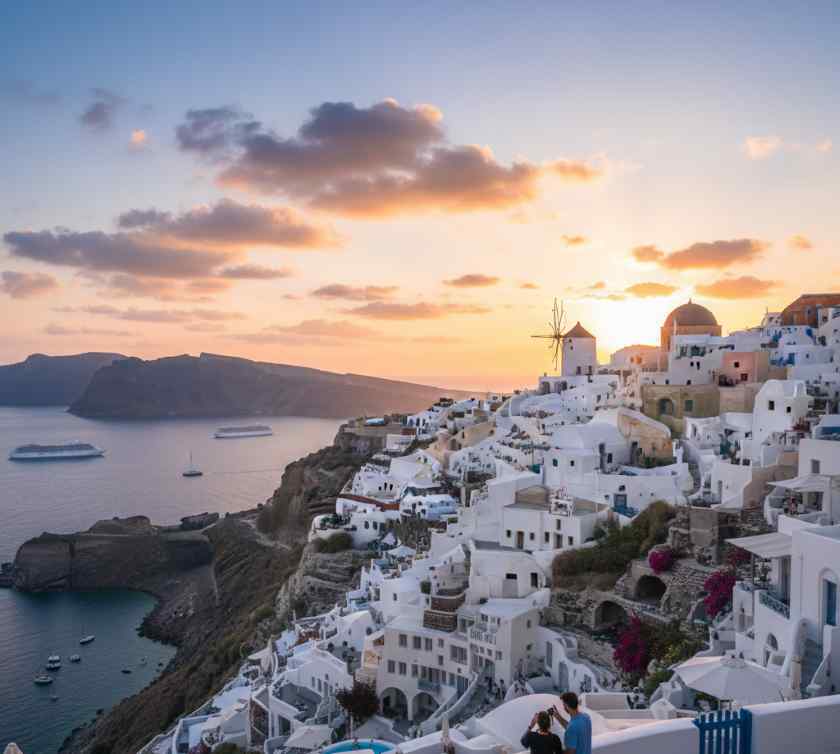
Greek tourism remains strong as the sector continues to evolve with changing travel trends while navigating new challenges in 2024. Rising revenues, renewed momentum in cruise tourism, and noticeable shifts in travel seasonality highlight Greece’s ongoing appeal to visitors from around the world.

At the same time, the industry is having to adapt to growing pressures. Issues such as climate change, the need for better workforce training, and high levels of taxation are testing the sector’s resilience and long-term sustainability. Together, these dynamics paint a picture of a tourism industry that is thriving today, while actively working to secure a balanced and sustainable future.
A Changing Landscape: Shorter Stays and Rising Revenues
Recent data from the Institute of the Greek Tourism Confederation (INSETE) reveals several key trends shaping Greece’s tourism industry since 2019. One of the most significant trends is the reduction in the average length of stay, with overnight visits declining by 13.3% in 2024 compared to pre-pandemic levels. While the total number of arrivals saw a significant increase of 14.7%, rising to 35.95 million visitors, the average length of stay fell to 6.4 days, reflecting a global shift toward shorter trips.
Despite shorter stays, the financial outlook for Greek tourism remains positive. Tourism receipts, excluding cruise tourism, surged by 16.5% from 2019, reaching €20.59 billion in 2024, according to data from the Bank of Greece. This increase in spending can be attributed to higher per-capita expenditure, especially from key markets such as the United States, Germany, and the United Kingdom. Spending from U.S. visitors alone, including cruise tourism, rose by €746 million, which contributed to a significant portion of the revenue boost.
Cruise Tourism: A Rapid Growth Sector
Cruise tourism in Greece has seen particularly strong growth in recent years. Revenues from cruises in 2024 exceeded €1 billion, a significant increase from €499 million in 2019. Passenger arrivals surged from 2.7 million in 2019 to 4.7 million in 2024, underscoring Greece’s position as a leading cruise destination. This rise is partly attributed to expanded air links between Athens International Airport and major U.S. cities, facilitating more direct access for international travelers.
Greek ports, particularly in Athens, Piraeus, and the Ionian Islands, have benefitted from the rise in cruise tourism, with improved infrastructure and services designed to cater to the growing number of cruise passengers. This trend supports the broader tourism economy, as cruise passengers also contribute to local spending in retail, hospitality, and cultural experiences.
Regional Performance: Highlights from Athens, Epirus, and Beyond
Athens and the surrounding Attica region have emerged as the strongest contributors to Greece’s tourism growth in 2024. Revenues nearly doubled from €2.59 billion in 2019 to €4.75 billion in 2024, reflecting a substantial rise in both international arrivals and overnight stays. In particular, Athens’ central location and improved infrastructure have made it a top choice for both short-term and longer visits, strengthening its position as a key urban destination.
In contrast, regions such as Epirus have posted strong growth, albeit from a smaller base. The region saw significant increases in arrivals, revenues, and overnight stays. Crete and the Ionian Islands, popular destinations for sun-seeking tourists, also recorded growth, though more modest compared to other regions. Meanwhile, areas like the South Aegean and Western Greece saw a rise in revenues, despite fewer overnight stays, while Northern Aegean benefited from increased spending and overnight stays despite a decline in visitors.
On the other hand, several regions, including the Peloponnese, Thessaly, and Western Macedonia, faced declines in key indicators, reflecting broader challenges within the tourism sector. These areas have seen reduced overnight stays, lower revenues, and fewer visitors, which underscores the need for targeted strategies to boost tourism in less-visited regions.
Seasonality Shifts: A New Tourism Pattern
Seasonality has also become an important factor influencing tourism revenue patterns in Greece. While the total number of overnight stays remained stable from 2019 to 2024, the peak summer season experienced a decline of 11% in overnight stays. Conversely, the remaining quarters of the year saw a 13% increase in overnight stays, marking a notable shift in demand toward the off-peak seasons.
This shift in seasonality is driven by changing traveler preferences, with tourists seeking to avoid the crowded summer months and enjoy the milder weather and lower prices during the spring and autumn seasons. However, the decline in peak summer stays has resulted in a shift in revenue generation, as the highest spending typically occurs during the summer months.
Emerging Challenges: Climate Change and Workforce Development
As Greek tourism flourishes, the sector faces growing challenges that could affect its long-term sustainability. Climate change is identified as a major concern, with extreme heat waves and severe weather events impacting both supply and demand. To address this, investment in resilient infrastructure, energy-efficient technologies, and improved environmental certifications for hotels is crucial. Greece is lagging behind competitors in this area, highlighting the need for greater environmental awareness and action within the hospitality sector.
Workforce training and skills development are also critical for maintaining Greece’s competitive edge in tourism. Greece’s tourism industry is renowned for its high service standards and hospitality, but to remain competitive, there is a pressing need for continuous investment in the workforce. Upskilling employees, especially in technology, sustainability practices, and customer service, will be key to the industry’s future success.
Another challenge facing Greek tourism is the high VAT rates and the Climate Crisis Levy, which place a significant financial burden on smaller tourism businesses, particularly hotels. These taxes impact profitability, limiting the ability of smaller units to expand and diversify their offerings.
Looking Ahead: Strategic Planning for Sustainable Growth
As Greece’s tourism sector continues to recover and expand, strategic planning for sustainable development will be essential. The future of Greek tourism depends on addressing climate change, improving workforce training, and diversifying tourism offerings to meet the evolving preferences of international travelers.
