
Published on
December 31, 2025
Europe’s cultural landscapes offer a blend of deep history, living traditions and cutting‑edge creativity. In 2026, several countries have planned major festivals, heritage celebrations and new cultural projects. Travellers seeking authentic experiences can rely on official tourism and heritage organisations when planning their itineraries. The following sections explore notable countries and places, drawing only on government or internationally recognised sources. Currency conversions use mid‑market rates from a reputable converter, with values in Indian rupees to help travellers estimate costs.

Official tourism pages describe Italy as a country where art and culture permeate everyday life. Travellers can wander through millennia‑old ruins in Rome and Pompeii and stroll through the villages of Tuscany, soaking up a landscape filled with archaeological treasures and Renaissance architecture[1]. Italy holds the world’s largest concentration of UNESCO World Heritage Sites[1] and is renowned for painters, sculptors and architects who left an extraordinary artistic legacy. Beyond grand monuments, Italy’s heritage thrives in local traditions. A striking example is the Opera dei Pupi—a Sicilian puppetry theatre dating back to the nineteenth century. This art form, recognised by UNESCO as intangible heritage, features handcrafted marionettes recounting tales of knights and Saracens. Performances blend narration, singing and the cuntu, or storyteller, creating a theatrical experience deeply rooted in Sicilian folk culture[2]. Travellers visiting Palermo or Catania in 2026 can attend performances in puppet theatres or workshops where artisans continue to carve wooden puppets and paint elaborate scenery.
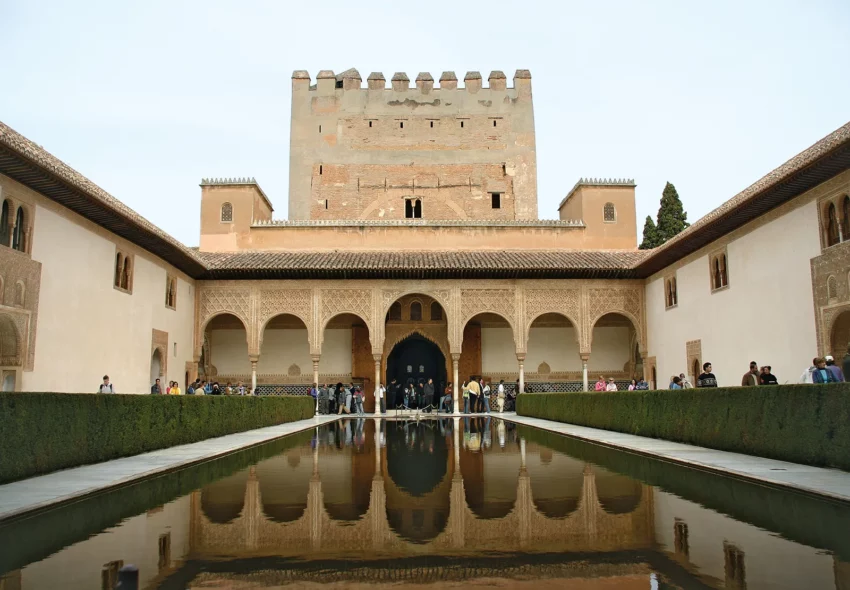
Spain’s cultural diversity shines through both its built heritage and living arts. In Granada, the hilltop complex of the Alhambra and the Generalife gardens, together with the Albayzín quarter, offer an exceptional glimpse into medieval Iberia. UNESCO’s description notes that the Alhambra is “the only preserved palatine city of the Islamic period” and the finest example of Nasrid art[3]. The Generalife gardens exemplify medieval agricultural terraces and irrigation systems[4], while the Albayzín neighbourhood preserves a Moorish urban layout later enriched by Christian architecture[4]. Exploring these sites reveals how Islamic, Christian and Jewish influences mingled to create Spain’s unique aesthetic.
Living culture is just as compelling. Flamenco, born in Andalusia, is an artistic expression that fuses song (cante), dance (baile) and musicianship (toque). According to UNESCO’s intangible heritage listing, cante is usually performed by seated singers without backing vocals; its lyrics, though brief, convey a spectrum of emotions from grief to joy[5]. The dance is passionate and varied—male performers emphasise percussive footwork while female dancers favour graceful, sensual movements[6]. Instruments such as guitars, castanets, hand‑clapping and foot‑stamping enrich performances[7]. Flamenco plays an essential role in religious festivals, rituals and private celebrations, serving as a badge of identity for communities, particularly the Gitano (Roma) people[8]. Travellers can immerse themselves in this tradition by attending tablao shows in Seville, Jerez or Granada, or by timing their visit for a flamenco festival in autumn 2026.
Greek culture combines ancient monuments, world‑class museums and vibrant festivals. The country’s official tourism site highlights its wealth of monuments and museums, including the Acropolis of Athens and ancient Olympia, as well as numerous UNESCO‑listed sites[9]. The National Archaeological Museum in Athens houses treasures from every era[9], making it an essential stop for travellers interested in Hellenic history. Contemporary cultural life is equally lively. The Athens & Epidaurus Festival, hosted since 1955, brings international theatre, music and dance to historic venues[9]. Across the islands and mainland villages, traditional panigiria (feasts) celebrate patron saints. These gatherings feature regional costumes, jewellery and dances[9], offering travellers an intimate window into Greek communal life. Visiting a summer panigiri on a Cycladic island or in the Peloponnese allows tourists to share local food, watch folk dances and participate in religious processions.
Britain’s cultural calendar for 2026 promises a mix of heritage and innovation. The national tourism board emphasises that the country will be “in the spotlight” thanks to new openings and anniversaries, with experiences spanning outdoor adventures, immersive art and cinematic history[10]. Travellers can embark on royal‑endorsed long‑distance hikes across national parks and heritage trails, or visit Europe’s largest immersive art experience, which blends digital projections with historical narratives[10]. Castles and museums across England, Scotland and Wales are being revitalised ahead of 2026, offering fresh exhibitions and interactive displays[10]. The year also coincides with major sporting events and film anniversaries; fans of Wuthering Heights or Outlander can explore filming locations and literary landscapes[10]. Such diverse offerings make the UK an attractive destination for travellers seeking both tradition and cutting‑edge experiences.
Since 1985, the European Union has designated at least one city each year as a European Capital of Culture. Germany’s tourism board notes that this programme has transformed former industrial centres into cultural hubs[11]. In the Ruhr area, the 2010 title spurred the creation of new museums like the Folkwang Museum extension and the Ruhr Museum at the Zollverein Coal Mine Industrial Complex; artists have continued to inhabit former industrial spaces, creating vibrant creative districts[11]. Berlin, which held the title in 1988, remains a permanent cultural capital with more than 170 museums, 400 galleries, four opera houses, seven major symphony orchestras and around 150 theatres[12]. Such density of cultural institutions allows travellers to dive into art, music and history in one city. Weimar, recognised in 1999, exemplifies smaller towns rich in heritage; the city hosts eleven UNESCO World Heritage sites, including the Anna Amalia Library and the homes of Goethe and Schiller[13]. Visitors can also explore the Bauhaus movement’s roots and the House of the Weimar Republic, reflecting Germany’s artistic and political history[13].
The European Commission has designated the Finnish city of Oulu and Slovakia’s Trenčín as Europe’s Capitals of Culture for 2026. Oulu plans to host around 500 events under the themes “Brave Hinterland”, “Cool Contrasts” and “Wild City”[14]. The programme aims to revitalise the northern city through collaborations between technology companies and cultural institutions, while inviting visitors to explore its forests, coastline and Sámi heritage. Trenčín, whose slogan “Awakening Curiosity” expresses its mission, seeks to connect past and future, city and nature, culture and everyday life[15]. Located on the River Váh and crowned by a castle, Trenčín plans exhibitions, concerts and community projects that highlight Slovak creativity. These designations will bring international attention to smaller destinations, making them ideal for travellers wanting to discover new cultural landscapes in 2026.
French culture is often synonymous with art and architecture, but culinary traditions are equally significant. UNESCO’s intangible heritage listing describes the “gastronomic meal of the French” as a customary social practice used to celebrate births, weddings, anniversaries and other milestones[16]. The meal emphasises togetherness, taste and harmony between people and nature[17]. Essential elements include carefully selected dishes from a repertoire of recipes, locally sourced ingredients, pairing food with wine, a beautifully set table and specific rituals such as smelling and tasting at the table[18]. The meal follows a structured sequence beginning with an apéritif and ending with digestifs, with at least four courses in between: starter, fish or meat with vegetables, cheese and dessert[19]. Knowledgeable gastronomes preserve and transmit these practices[20]. Travellers who join a cooking class, dine at a traditional inn or participate in a family celebration in rural France can experience this ritual first‑hand.
Cultural travel involves budgeting as well as planning. According to the mid‑market rates captured at 05:02 UTC on 31 December 2025, €1 equates to approximately ₹105.48[21]. Likewise, £1 equals roughly ₹120.98[22]. These conversions provide a rough guide for travellers from India; rates fluctuate, so visitors should check current figures when booking. With careful planning, travellers in 2026 can immerse themselves in Europe’s cultural heritage—from Italy’s puppet theatres to Finland’s “Wild City” celebrations—while managing their budgets.
Europe’s cultural richness stems from centuries of history, artistic innovation and communal traditions. Official tourism bodies and UNESCO emphasise that 2026 will be a year of vibrant festivals, museum openings and living heritage practices across the continent. Italy invites visitors to explore ancient ruins and puppet theatres, Spain combines Moorish architecture with flamenco rhythms, and Greece merges classical monuments with lively festivals. The UK plans new immersive art experiences and revived heritage sites, Germany continues to showcase its cultural capitals, and Oulu and Trenčín will bring fresh perspectives as European Capitals of Culture. France’s gastronomic meal underscores how everyday customs can be a profound cultural experience. Whether enjoying a panigiri on a Greek island, listening to a flamenco guitar in Seville or sampling an elaborate French meal, travellers in 2026 will discover that Europe’s cultural heart beats through its people and their traditions.
- European Commission – Capitals of Culture. Information about the 2026 capitals Oulu and Trenčín and the themes and slogans of their programmes[14][15].
- Italia.it – Art and Culture / Opera dei Pupi. Official tourism descriptions of Italy’s cultural richness, its UNESCO sites and the Sicilian puppet theatre tradition[1][2].
- UNESCO World Heritage – Alhambra, Generalife and Albayzín, Granada. Detailed description of the palatine city, Nasrid art, Generalife gardens and Moorish urban planning[4][3].
- UNESCO Intangible Heritage – Flamenco. Explanation of flamenco’s components, emotional range and role in community identity[23].
- VisitGreece – Culture page. Highlights of Greece’s monuments, museums, festivals and traditional feasts[9].
- VisitBritain – 2026 preview. Overview of Britain’s new openings, immersive art experiences and historical anniversaries planned for 2026[10].
- Germany National Tourism Board – Capitals of Culture and cities. Information on the Ruhr transformation, Berlin’s cultural institutions and Weimar’s UNESCO sites[11][12][13].
- UNESCO Intangible Heritage – Gastronomic meal of the French. Description of the French ritual meal, its structure and social significance[16][18].
- XE.com currency converter. Mid‑market exchange rates used for budget estimates: 1 EUR ≈ ₹105.48[21] and 1 GBP ≈ ₹120.98[22] (as of 31 Dec 2025).
