
2025 has been an incredible year for gaming, yet this causes another problem. With so many great games released, others have almost gone completely unnoticed. This isn’t because these games are broken, bad, or lack marketing. In fact, for these three games, it was the opposite. They are polished, exceptional, and have proper attention given to their marketing. Yet somehow, likely because of 2025’s strongest releases, they have flown under the radar.
What makes this especially frustrating is that many of these overlooked titles are exemplary among their genres. Each experimented with mechanics, tone, and structure while respecting the player’s time. They were loved by fans of the genre who kept up with their development, but for the rest of the industry, they simply passed by. These three phenomenal games were released this year, yet hardly anyone talks about them.
3) Monster Train 2
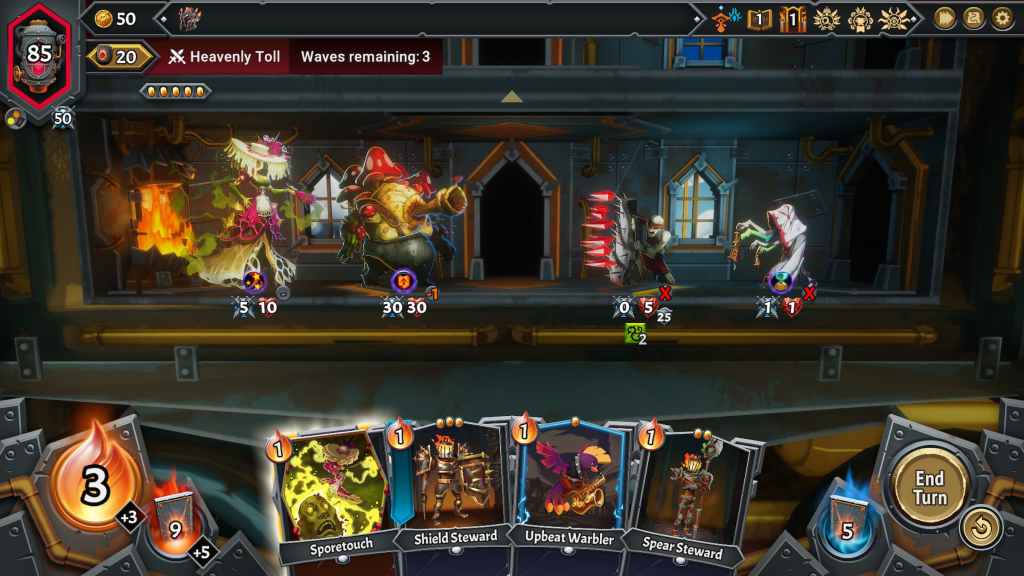
The original Monster Train earned a dedicated following by blending deckbuilding roguelike mechanics with lane-based tower defense strategy. Monster Train 2 builds on that foundation, expanding systems without deviating from what made the original work so well. It introduces new clans, deeper progression, and more flexible deck synergies that reward creative play rather than rigid optimization.
What makes Monster Train 2 stand out among modern roguelike deckbuilders is its respect for player agency. Every run offers meaningful choices, and failure rarely feels accidental. The vertical battlefield design still feels fresh, forcing players to think spatially rather than relying solely on card combos. This added dimension gives the game a strategic identity that sets it apart from genre peers.
Despite its quality, Monster Train 2 struggled to capture widespread attention in a market saturated with card-based roguelikes. Many players assumed it was more of the same, overlooking how it refines its systems. For fans of Slay the Spire-style experiences looking for something deeper and more tactical, this sequel is one of the best roguelike games you probably missed.
2) Stick It to the Stickman
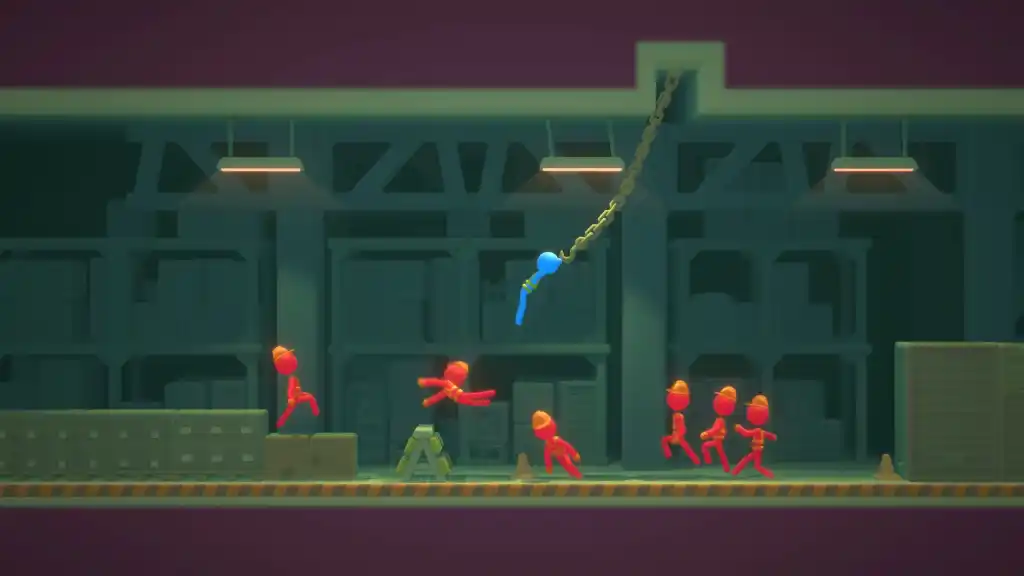
At first glance, Stick It to the Stickman looks like a joke game. Its crude stick figure art style and exaggerated satire make it feel like a light experience. That impression could not be more misleading. Beneath its absurd aesthetic lies a fantastically clever physics-based brawler with a surprising sense of humor and exciting roguelike gameplay loop.
The game casts you as an office worker literally fighting corporate with punches, kicks, and improvised violence. Combat is chaotic, fast, and hilariously unpredictable. Physics-driven interactions mean every fight plays out differently and hilariously, rewarding improvisation over memorization. You can weaponize desks, windows, coworkers, and gravity itself to take out your foes.
The game captures workplace frustration and turns it into catharsis without becoming mean-spirited. Progression systems allow you to unlock new abilities that feel appropriately unhinged, maintaining momentum across runs. But despite its originality, the game flew under the radar due to its unconventional look and satirical tone. Many players dismissed it as a novelty rather than recognizing it as one of the most inventive indie action games in recent memory.
1) Pipstrello and the Cursed Yoyo

Pipstrello and the Cursed Yoyo is the kind of game that wears its creativity on its sleeve. This title builds its entire identity around a single, unconventional mechanic. You fight, explore, and solve puzzles using a yoyo as your primary tool. The result is a game that feels playful, expressive, and constantly surprising. Combat rewards precision and timing rather than brute force. Movement becomes a puzzle in itself as you swing, ricochet, and manipulate enemies with finesse. Every encounter feels handcrafted around the core mechanic, which is rare in modern design.
Beyond mechanics, the game oozes charm. Its art style is vibrant and whimsical, and its world design encourages curiosity rather than checklist exploration. There is a clear sense that this game was built around a joyful idea and followed through with discipline. It invokes memories of older games when charm was the hallmark of the design. Despite its modern aspects, it feels like a nostalgic title.
Yet Pipstrello and the Cursed Yoyo barely registered in mainstream gaming. It did not benefit from streamer hype or release momentum. Players searching for unique action-adventure games or indie platformers may have missed it entirely, which is a shame. It is easily one of the most inventive games released recently and deserves recognition for fully committing to a unique idea.
What do you think? Leave a comment below and join the conversation now in the ComicBook Forum!