
Published on
January 1, 2026
Greece’s tourism sector has continued to perform strongly, with 2024 marking another year of impressive figures. However, the latest Annual Greek Tourism Report for 2024, published by INSETE, the research institute of the Greek Tourism Confederation (SETE), reveals that the landscape of Greek tourism is evolving. While arrivals and revenues have reached record levels, underlying shifts in traveler behavior and emerging structural challenges are reshaping the industry’s future outlook.
Tourism Growth Driven by Shorter Stays and Higher Spending
The report highlights a significant trend in the tourism sector: a rise in spending despite fewer overnight stays. Over the past five years, from 2019 to 2024, tourism receipts (excluding cruise activity) rose by an impressive 16.5 percent, reaching 20.59 billion euros. The increase in arrivals, which rose by 14.7 percent to 35.95 million travelers, underscores the continued appeal of Greece as a top European destination. However, despite this growth in both tourist arrivals and revenues, the number of overnight stays saw a slight decline of 0.6 percent, totaling just over 231 million. In parallel, the average length of stay fell by 13.3 percent, dropping to 6.4 days.
This shift in travel patterns reflects a broader trend toward shorter trips where tourists are spending more during their visit, even if they are staying for a reduced number of nights. This phenomenon is reshaping the way Greek tourism adapts to evolving global travel behaviors.
Attica’s Role in Greece’s Tourism Growth
A standout performer in the 2024 tourism landscape has been Attica, particularly Athens, which emerged as a key growth driver for both arrivals and revenue. Tourism revenues in the region nearly doubled between 2019 and 2024, reaching approximately 4.75 billion euros, compared to 2.59 billion euros in 2019. The region also saw an increase of 13.8 million in overnight stays, while other regions experienced declines.
Attica’s performance can be attributed to a combination of factors, including its historical significance, enhanced infrastructure, and tourist attractions, which continue to draw both international and domestic visitors.
A Gradual Easing of Seasonality
Seasonality has long been a challenge for the tourism industry, with the peak summer months traditionally accounting for the majority of overnight stays. However, the report reveals that Greece is experiencing a gradual easing of this seasonality, with stays in the third quarter (peak summer season) dropping by 11 percent, while stays in the remaining quarters increased by 13 percent.
This shift suggests that tourists are no longer solely concentrated in the summer months, which has broader implications for revenue generation. The peak summer months tend to generate higher per-overnight-stay spending, so this change in seasonality may affect overall revenue distribution. Nonetheless, the rise in visits during off-peak months indicates a move toward more year-round tourism.
Key Source Markets Boosting Tourism Revenue
Changes in the mix of source markets have also played a significant role in boosting tourism receipts despite the drop in overnight stays. Germany, the United Kingdom, the United States, France, and Italy—the top five markets for Greece—have contributed substantially to increased tourism spending. These markets are particularly associated with higher per-capita spending.
The United States, in particular, was responsible for 22 percent of the 3.4 billion euros increase in tourism revenues from 2019 to 2024, totaling 746 million euros. This growth can be partially attributed to the expansion of direct flight routes between Athens International Airport and several US hubs, making Greece more accessible to American tourists.
Cruise Tourism’s Rapid Growth
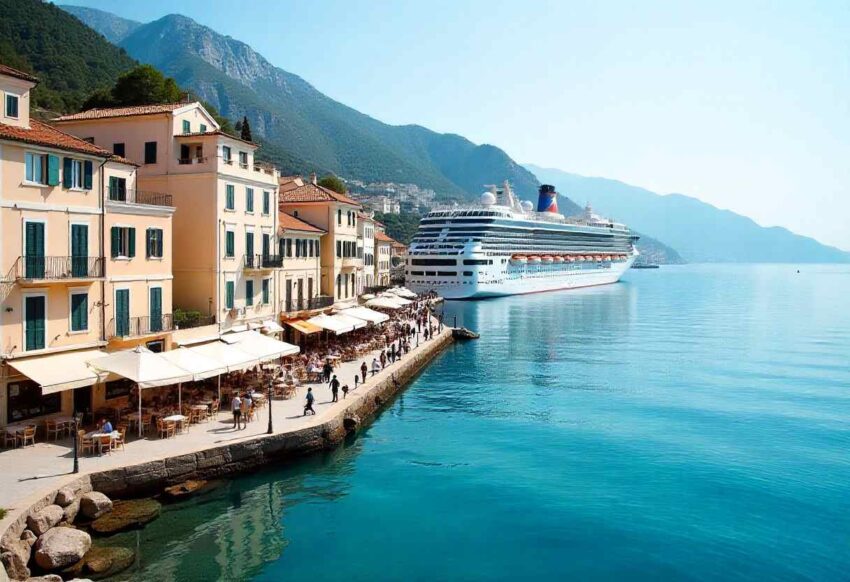
One of the fastest-growing segments within the Greek tourism sector has been cruise tourism. Cruise revenues more than doubled between 2019 and 2024, reaching over 1 billion euros in 2024, compared to 499 million euros in 2019. The number of cruise arrivals also saw a substantial increase, rising from 2.7 million passengers to 4.7 million. The expansion of air connectivity from Athens to US cities has been identified as one of the key drivers of this growth, as more international tourists choose to combine air travel with cruise vacations in Greece.
Addressing the Structural Challenges of Greece’s Tourism
Despite the overall positive performance, INSETE also identifies several structural challenges facing Greece’s tourism industry that could hinder its future growth. One of the most pressing concerns is the impact of climate change, which has already begun to affect both demand and supply. Extreme heat and severe weather events have emphasized the need for resilient infrastructure, particularly in energy efficiency and building upgrades.
The report also points to Greece’s relatively low environmental certification rates compared to competing destinations. This gap suggests that there is significant room for improvement in sustainability practices within the hospitality sector, which is crucial for maintaining long-term competitiveness.
Additional challenges include skills development, high VAT rates, and an inefficient Climate Change Fee that adds pressure on smaller tourism businesses with limited access to bank financing. Destination governance and spatial planning also remain critical for ensuring sustainable growth and addressing these challenges effectively.
Looking Ahead: Strategic Planning for Sustainable Growth
INSETE’s Director General, Ilias Kikilias, emphasized the importance of strategic planning and destination management to sustain momentum in Greece’s tourism sector. While tourism continues to be a cornerstone of the Greek economy, ensuring its long-term success will require investment in sustainability, resilience, and diversified offerings that cater to evolving travel preferences.
Strengthening the sector’s sustainability and enhancing its resilience to external shocks will be essential for ensuring that the benefits of tourism are distributed more widely and fairly across local communities.
Conclusion
Greece’s tourism sector has shown remarkable growth, with revenues reaching new highs, but the future presents both opportunities and challenges. The shift toward shorter stays, coupled with an increase in spending, signals that tourism behavior is changing. At the same time, regional growth, like that of Attica, and the rising demand from key source markets offer promising signs for continued success. However, structural challenges such as climate change, sustainability, and skills development must be addressed strategically to ensure that Greece remains a leading tourism destination in the years to come.
