
Nintendo has dominated and largely been the only developer seriously interested in and invested in handheld gaming. Others saw it as a compromise for the industry: smaller screens, weaker hardware, and shorter play sessions defined what it meant to play on the go. Home consoles were where “real” gaming happened, while handhelds were something you used on road trips or between classes. That perception lingered even as technology improved. Portable systems were convenient, but rarely considered essential.
However, that narrative has flipped today. The ability to play full experiences anywhere, on your own schedule, has reshaped habits in ways traditional consoles struggle to match. Today, portable gaming is no longer a side option. It is quietly becoming the best way to play. This shift did not happen by accident. It was the result of smart design decisions, changing lifestyles, and a growing desire for flexibility. From sprawling RPGs to competitive multiplayer titles, handheld gaming now delivers experiences once thought impossible outside a living room. And it is all thanks to Nintendo.
Nintendo Is the King of Handheld Gaming
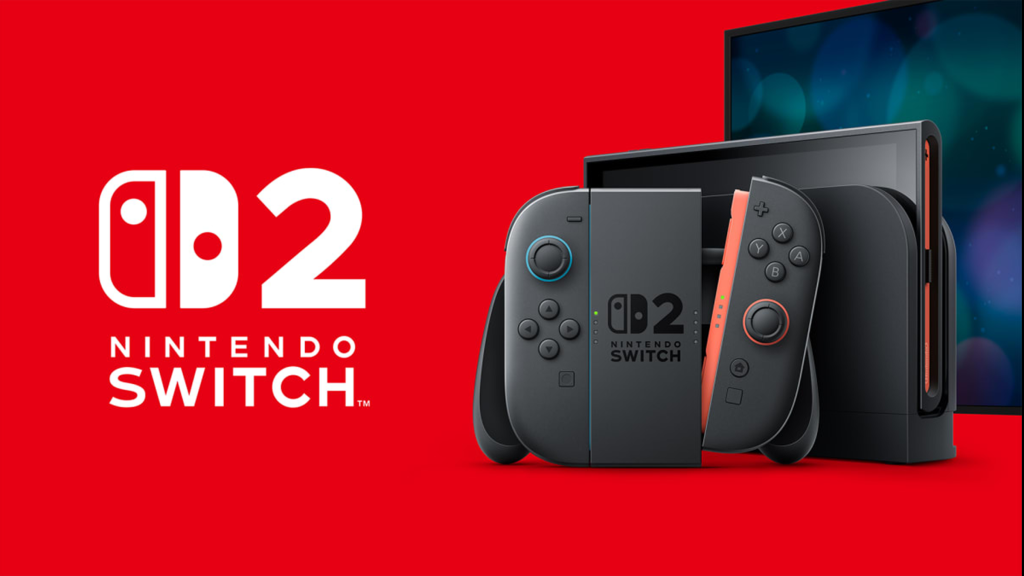
While the Nintendo Switch is responsible for this major push toward handheld gaming, its dominance did not start here. The Game Boy, Nintendo DS, and 3DS laid the foundation by proving that portability and strong game libraries matter more than raw power. Nintendo understood early that people wanted games that fit into their lives, not the other way around. The Nintendo Switch perfected that philosophy. It removed the barrier between handheld and home console gaming entirely. One moment, you are playing The Legend of Zelda: Breath of the Wild on the couch. Next, you are continuing the same save file on a commute or in bed. That seamless transition fundamentally changed how players engage with games.
What makes Nintendo’s handheld success so powerful is software. Titles like Animal Crossing: New Horizons, Super Mario Odyssey, and Pokemon Scarlet and Violet thrive in portable form. These games encourage short sessions without sacrificing depth. You can make meaningful progress in ten minutes or sink hours into them without friction. Nintendo also understands comfort and accessibility. Battery life, intuitive controls, and a user-friendly interface matter just as much as performance. While other companies chase specs, Nintendo focuses on play. That focus is why handheld gaming feels natural on the Switch rather than like a technical trick.
For many players, Nintendo handhelds have become their primary gaming platform. Not because they lack alternatives, but because the experience fits modern life better than anything else. I love being able to sit down on my couch and enjoy my favorite games, but also undocking the Switch to play handheld while my wife watches her shows. The flexibility it offers is the best of a handheld console with the benefits of a home console, all in one package. And other developers have taken notice.
Everyone Is Playing Catch Up to the Nintendo Switch
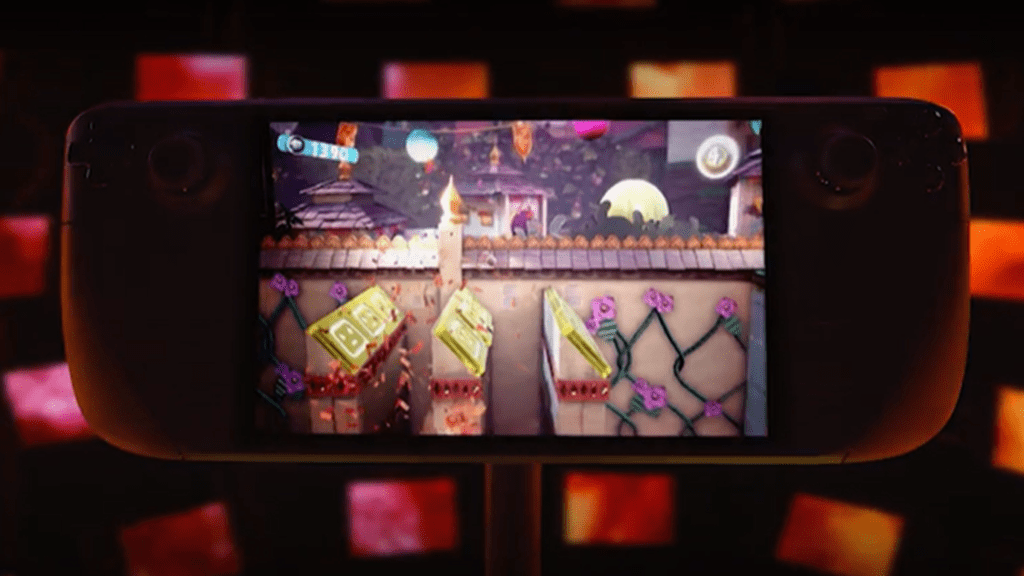
The success of the Nintendo Switch forced the rest of the industry to respond. Suddenly, handheld gaming was no longer a niche. It was a market that demanded attention. Companies that once dismissed portable systems began racing to create their own versions of the Switch’s magic. The sheer number of sales and popularity of the Switch showcased the potential, forcing other devs to create their own handheld.
The Steam Deck is the most direct response. It brings PC gaming into a handheld form factor, allowing players to access massive libraries, including games like Elden Ring and Baldur’s Gate 3. For PC players, the Steam Deck feels revolutionary. It turns desk-bound experiences into something you can enjoy anywhere. One advantage of the Steam Deck is the sheer size of its library, turning nearly any PC game into a portable one.
Sony’s PlayStation Portal takes a different approach. Rather than running games locally, it streams PlayStation 5 titles directly to a handheld screen. While it depends heavily on a stable internet connection, the idea is clear, and the execution typically works well. Players want flexibility without abandoning their existing ecosystems, and this design is perfect for those who already have a vast catalog of games on PlayStation and don’t want to rebuy them on a new console. The downside is that it typically requires you to be near your PS5, but the trade-off is incredible games in the palm of your hand.
The ROG Ally and Xbox Ally push handheld gaming further into high-performance territory. These devices emphasize power and compatibility, targeting players who want cutting-edge visuals on the go. They are impressive, but they also highlight why Nintendo’s approach works so well. Raw power alone does not guarantee a great handheld experience. Still, as the most recent handheld release, it remains to be seen how Microsoft’s foray into this market turns out.
What all of these devices share is an acknowledgment that Nintendo was right. Players want freedom. They want to play big games in small moments. The fact that so many companies are now chasing that vision proves how completely handheld gaming has reshaped expectations.
What Is the Future of Handheld Gaming?
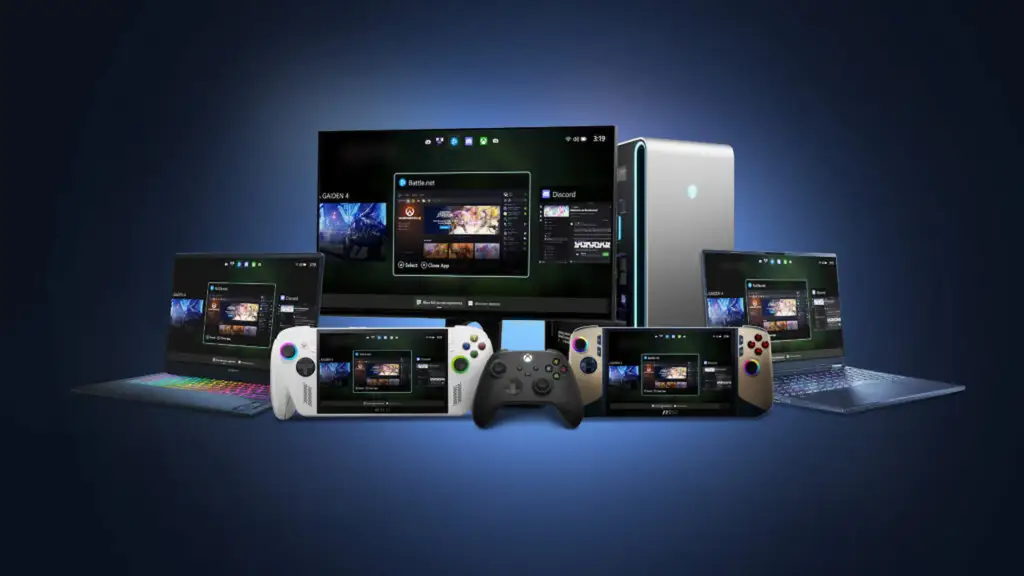
The future of handheld gaming looks less like a separate category and more like the default way people play. As lifestyles become busier and attention more fragmented, portability is no longer optional. It is essential. The Nintendo Switch proved this, and gaming on mobile phones has exploded in popularity. The only question now is where handheld gaming goes from here.
Cloud gaming will likely play a growing role. Streaming technology continues to improve, reducing the need for expensive hardware while expanding access. Playing massive titles instantly without worrying about downloads or storage may be a future option. If this proves to be true, handheld devices are perfectly positioned to take advantage of that shift.
At the same time, developers are learning how to design games that respect portable play. Save anywhere systems, flexible difficulty, and modular progression are becoming standard. Games like Hades and Stardew Valley feel tailor-made for handhelds, even when they are available on multiple platforms.
What began as a quiet evolution has become a defining shift. Handheld gaming did not replace traditional consoles overnight. It simply outgrew them. And for many players, it has become the best way to play. It seems incredibly unlikely that it will leave now that it has proven to be so popular. And while other companies won’t copy Nintendo outright, there is no denying that this push is due to Nintendo’s consoles and dedication to handheld gaming.
What do you think? Leave a comment below and join the conversation now in the ComicBook Forum!