
EBONY magazine’s origin story is rooted in luxury.
During the post-World War II business boom, Chicago entrepreneurs John H. and Eunice Johnson launched the magazine on November 1, 1945. Their mission was to chronicle the success and style of beautiful, bourgeois Black Americans, countering the ugliness of racism and forced segregation.
Black celebrities of the Golden Era—including Duke Ellington, Lena Horne and Ella Fitzgerald—found fame abroad, often crossing the Atlantic aboard Cunard’s luxury liners, The Queen Mary and The Queen Elizabeth, with EBONY documenting their voyages.
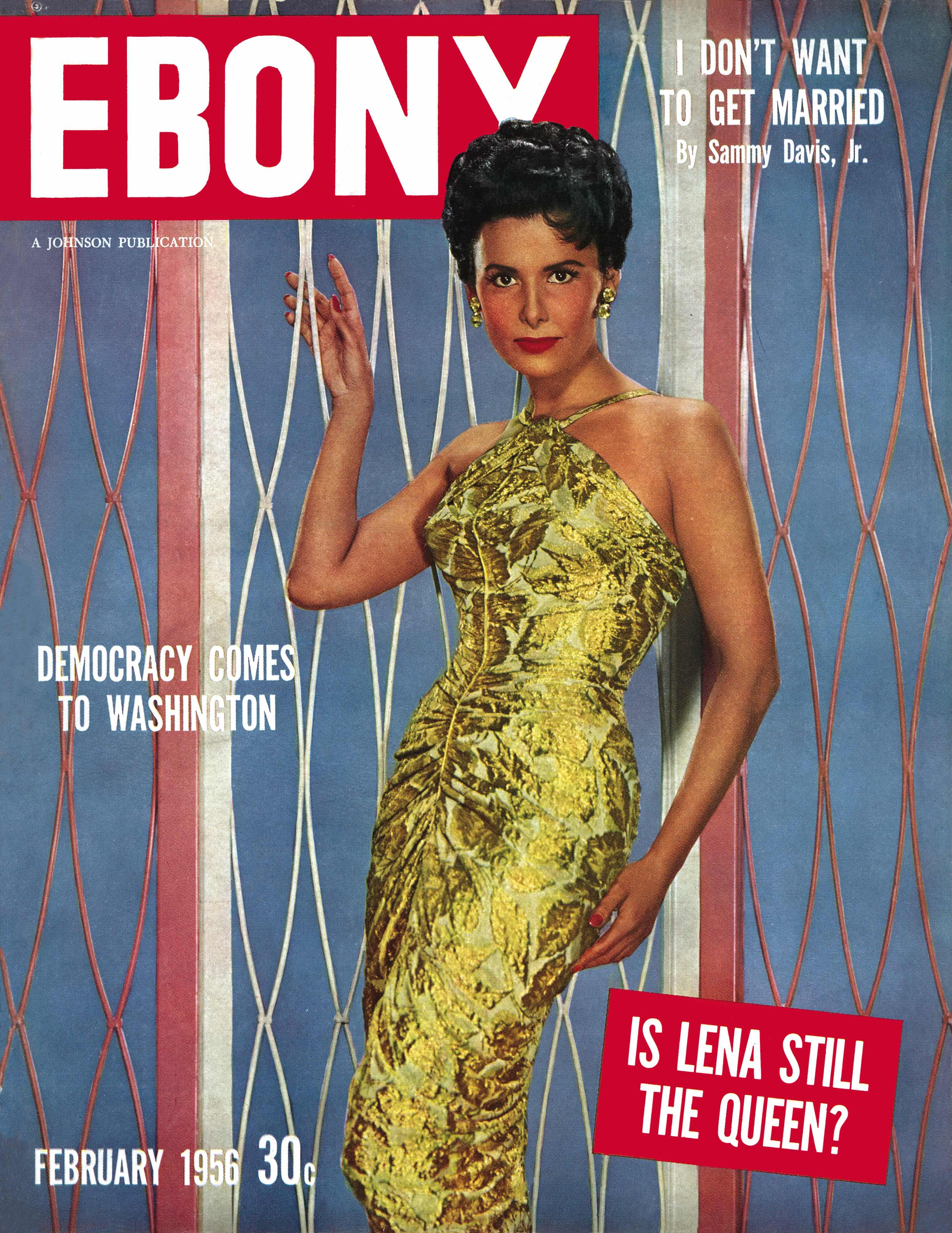
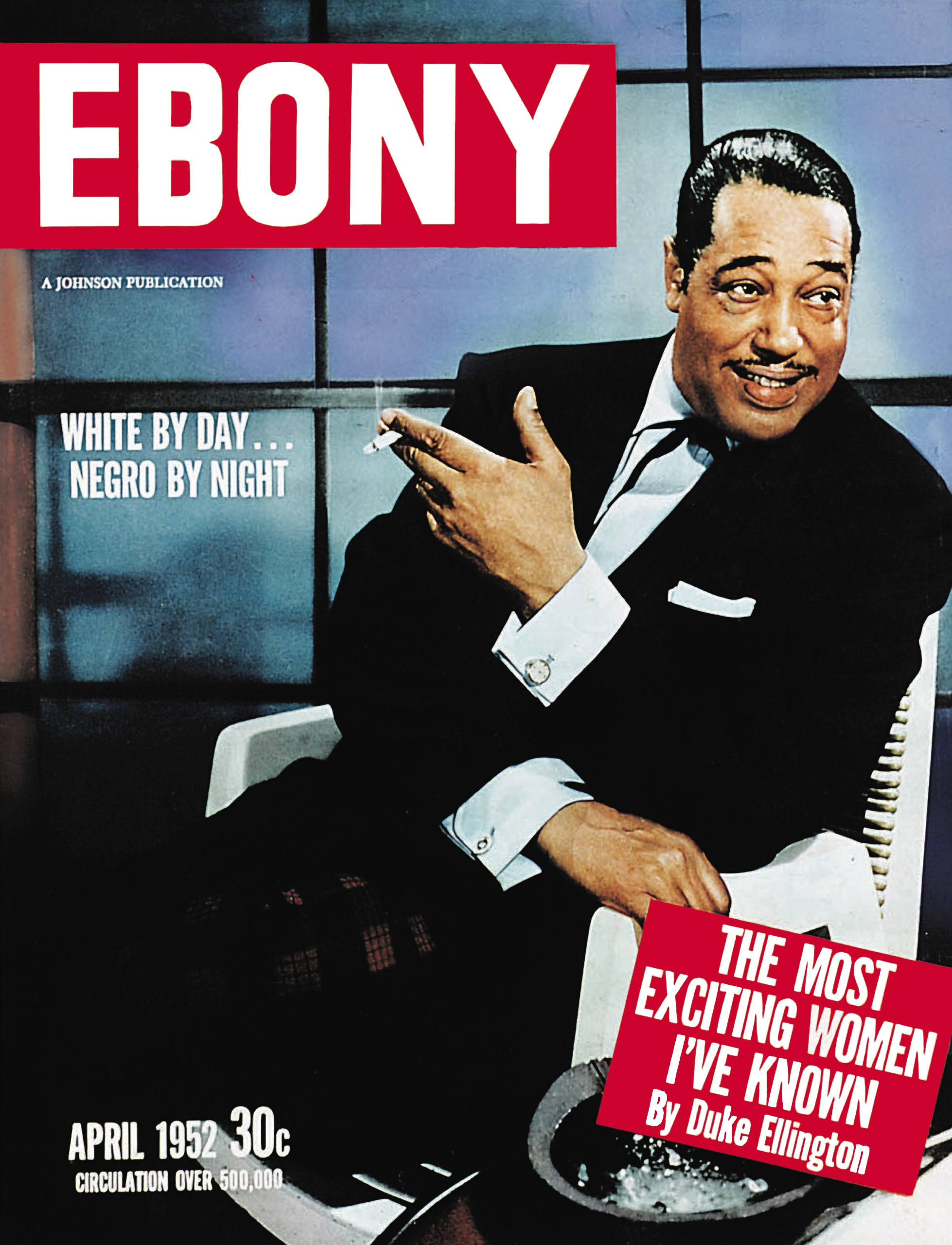
On November 1, 2025 I stepped onto the stage of the Royal Court Theatre on Cunard’s 21st-century flagship, The Queen Mary 2, as a presenter during their 2025 Transatlantic Fashion Week (TAFW). It was 80 years to the day that EBONY debuted. Yet, even more cultural connections awaited me during this week of high fashion on the high seas.
The Donyale Dialogues
Cunard launched Transatlantic Fashion Week (TAFW) in 2016 with renowned British designer Dame Zandra Rhodes and New York Fashion Week founder Fern Mallis. Rhodes appears in the 2023 HBO film, Donyale Luna: Supermodel, the story of the first Black woman on the cover of Vogue. In the film, Rhodes remembers how the Detroit-born Donyale took London by storm, even having department store mannequins fashioned in her likeness.
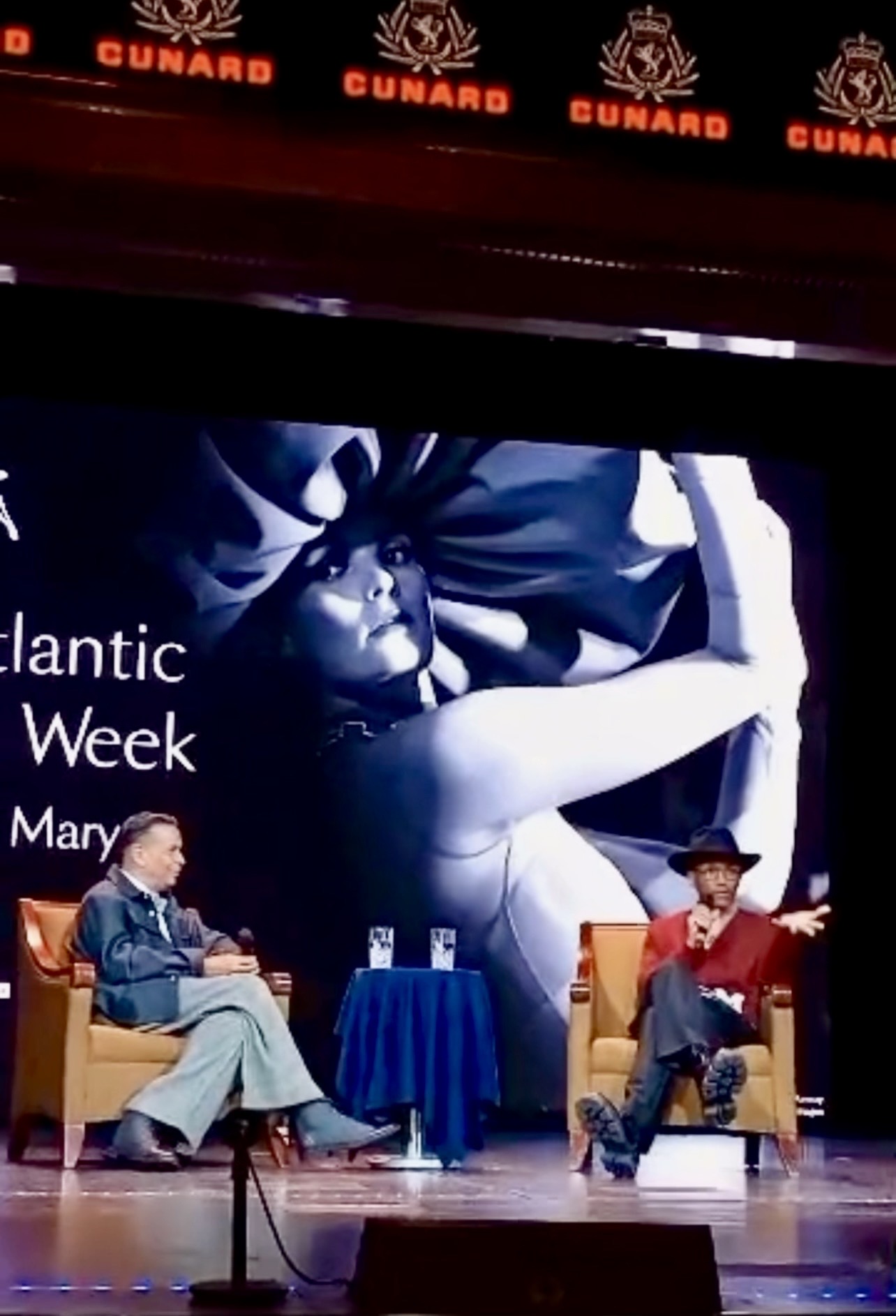
Post-screening, James Aguiar, host of the Label Queen podcast and TAFW curator, discussed Donyale’s boundary-pushing career: her history-making appearance in British Vogue, her status as a top-paid global model, and her role inspiring Diana Ross’s character in the 1975 classic Mahogany. He discussed how Condé Nast, under the direction of Met Gala architect Diana Vreeland, banned her from further work.
However, in 1966, Edmonde Roux, the editor of Vogue Paris, stood her ground, demanded Donyale’s cover, and was fired for it. During the production of the documentary, we tried without success to find relatives of Roux to include her courage in character. Unbelievably, after the talk, a man approached me and said, “I loved this film, and by the way, I am the grand-nephew of Edmonde Roux.” I had to sail the North Atlantic to finally find her family. It wasn’t until 22 years later, in 1988, for a Black model, Naomi Campbell, to cover Parisian Vogue!
Christian’s Curves
TAFW lead designer Christian Siriano is famous for dressing icons like Beyoncé and Michelle Obama. Unlike the industry of the 1960s, Siriano champions inclusivity and body positivity. After presenting two shows featuring over 20 current looks and archival pieces, he was interviewed by supermodel Coco Rocha, the “Queen of Pose.”
It was revealed that the Project Runway winner and current show mentor and executive producer demanded the hiring of curve models years ago during Paris Fashion Week. Because French law requires all models to have contracts, agencies finally signed full-figured women.
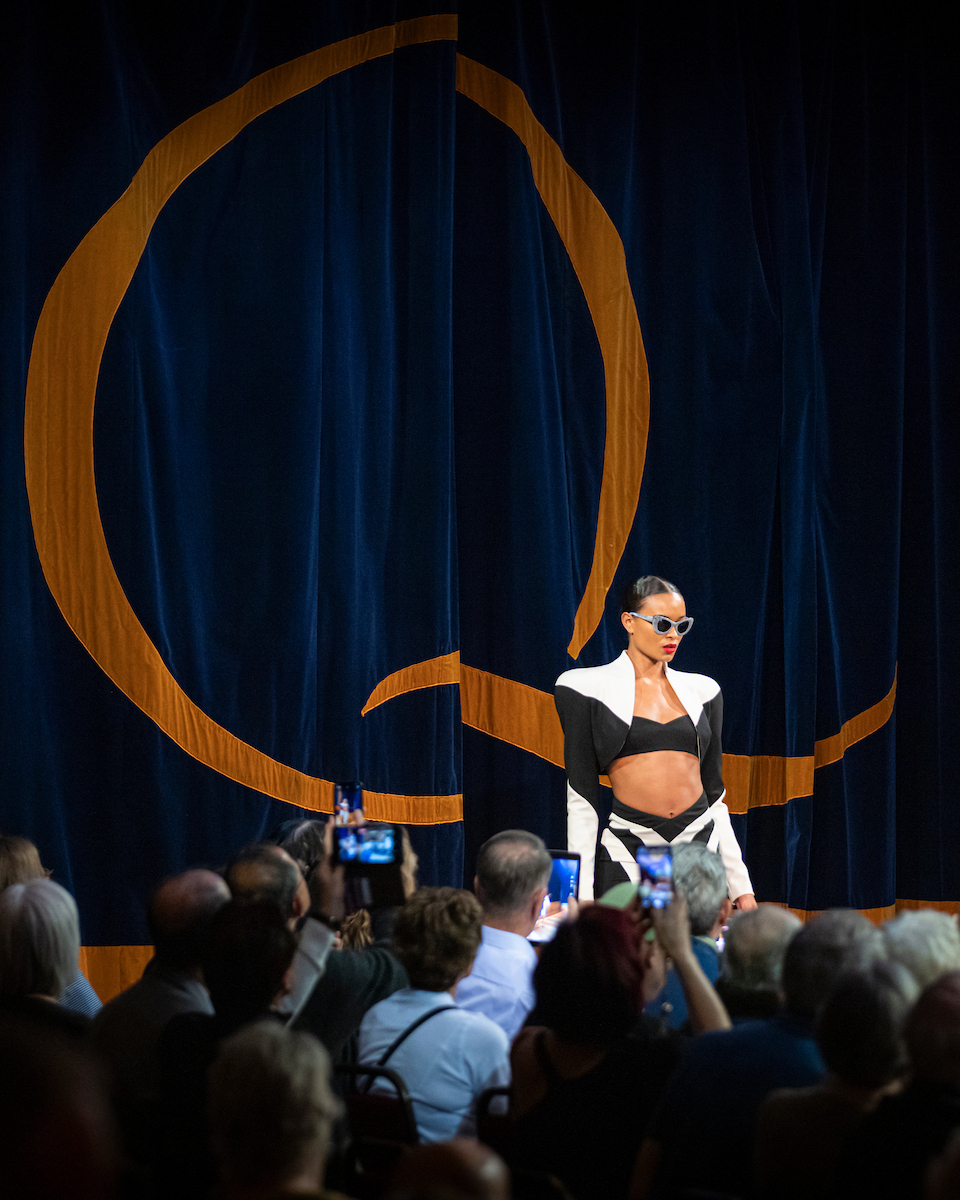
Image: Christopher Ison
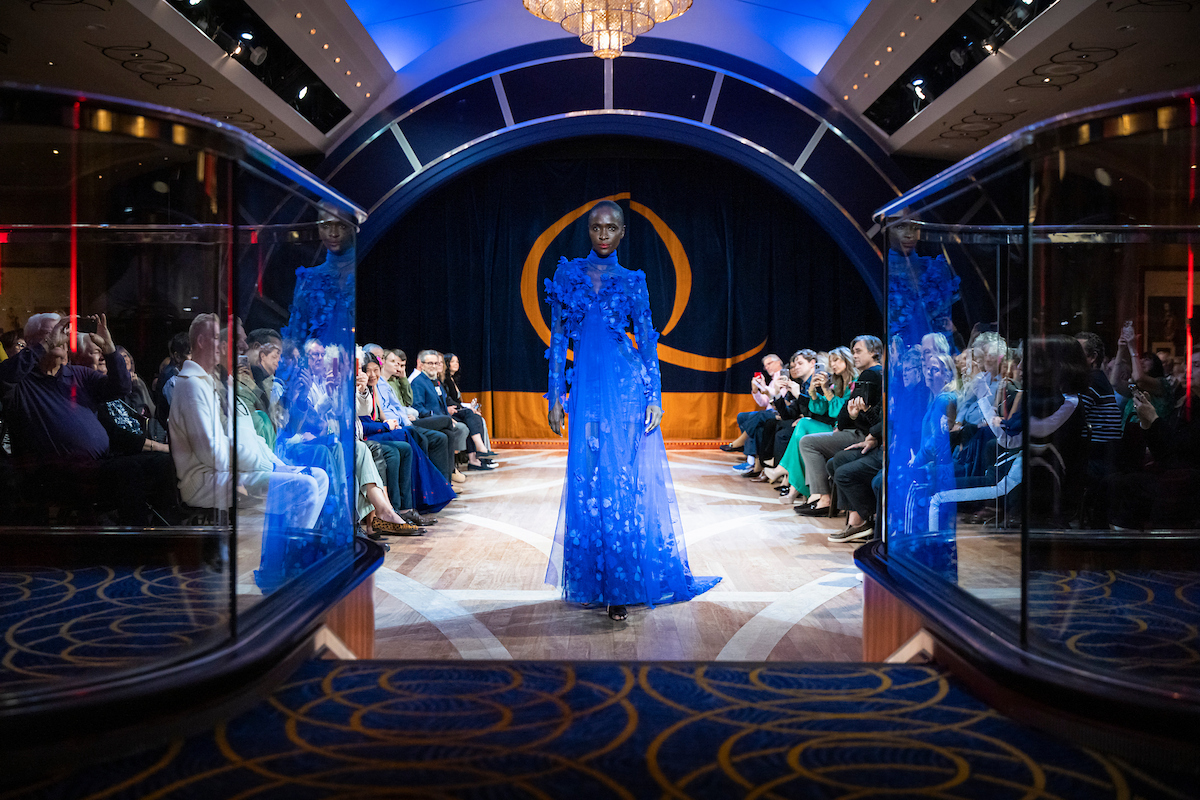
“So, Christian is the reason why curve models are now signed in France,” Rocha explained.
Many of those unknowns are now stars. “People didn’t really know who they were,” Siriano said, “and now they’re very famous, and won’t even do my show!”
Mackie, Michael and Madonna
Following Siriano’s inclusive showcase, I attended a talk with legendary costume designer Bob Mackie. His work shaped the legacies of superstars like Diana Ross and Tina Turner. Turner’s 1977 Mackie-made, flaming red “Turn It Up” sequined bodysuit—featured on her 1978 JET cover (EBONY’s sister publication)—was on display in the ship’s Grand Lobby, presented by Julien’s Auctions. Michael Jackson was another legend who called upon Mr. Mackie. “I made his rhinestone, glittery socks,” Mackie told the crowd, “but the man who made all of Michael’s fabulous military jackets, Michael Bush, is here in the audience!”
Later, Mr. Bush shared that he and Michael were best friends, talking almost nightly for the 25 years he worked as The King of Pop’s personal designer. Jackson escorted Madonna to the 1991 Oscars in an off-white wool blazer wrapped in white beading with a crystal armband; it was one of two outfits Bush made for that moment.
“I also presented a white military-style jacket overlaid with pearls and crystals, and Michael said, ‘That’s too good for that heifer Madonna!'” Bush recalled. Jackson eventually wore that second jacket in 1994 while accepting his GRAMMY Award for Lifetime Achievement from his sister, Janet. “That night Michael said to me, ‘I feel like Michael Jackson in this jacket,'” Bush said. “When he died, I designed his burial outfit, and I dressed him in a remixed version of the ‘I Feel Like Michael’ jacket.”
A Different Current
Looking back, when I received the invitation to sail on The Queen Mary 2 from New York to Southampton, England, I immediately accepted. Leaving the current climate in America behind and spending seven whole days crossing the world’s second-largest ocean—without stopovers—sounded both restorative and rebellious.
And it was.
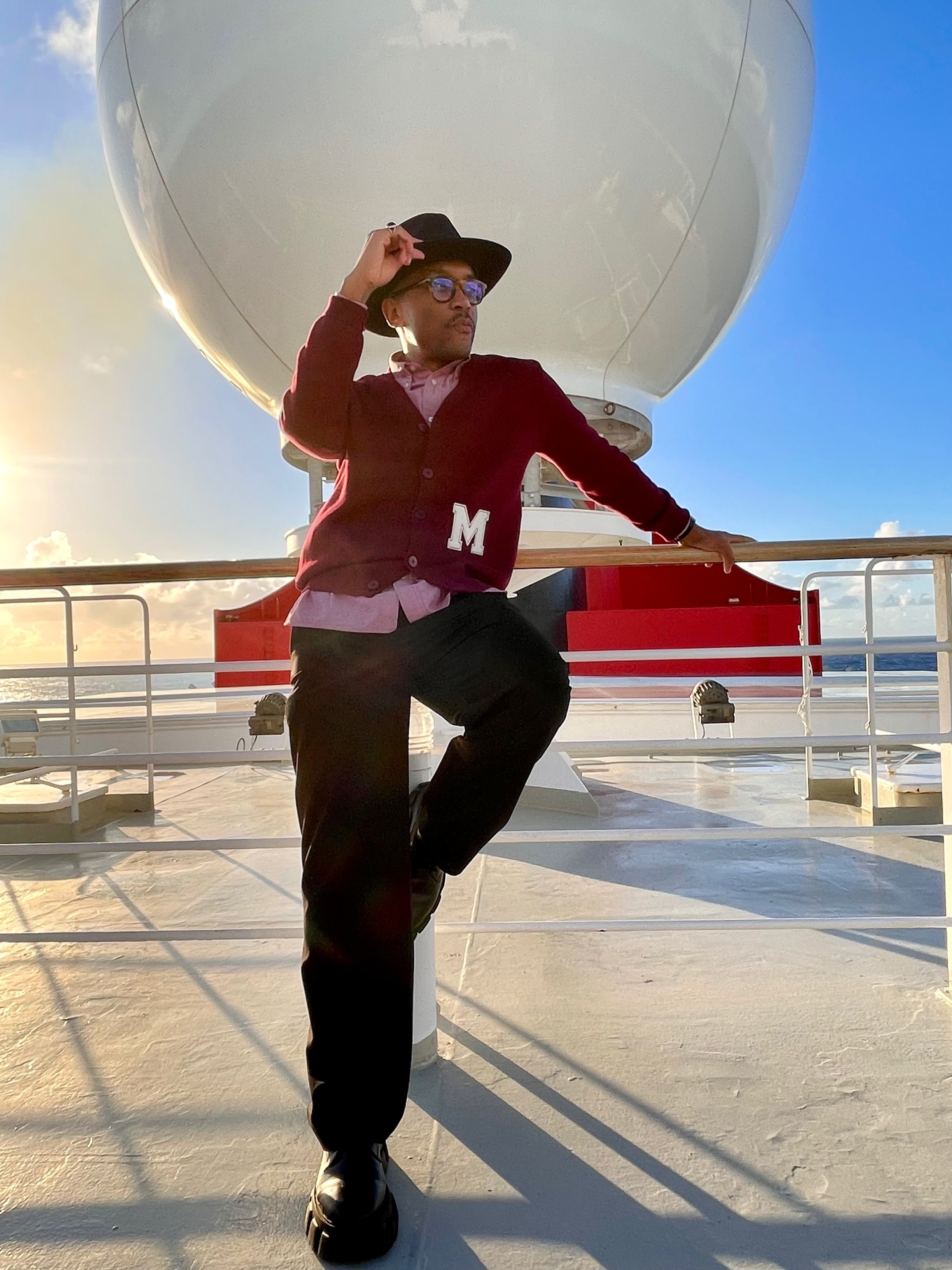
Walking through the red-carpeted lobbies of The Queen Mary 2 for the last time, I thought of the iconic ancestors who, in radical style, did the same: Dorothy Dandridge en route to Cannes; Marian Anderson on tour; the triple-threat Eartha Kitt disrupting space and time; and Paul Robeson, who would later have his passport revoked for his anti-racist activism.
That seven-day transatlantic crossing offered me the ultimate luxury: the permission to pause.
Isoul H. Harris is an editorial director, writer and filmmaker. He wrote EBONY’s profile on Lil Kim in 2023.