
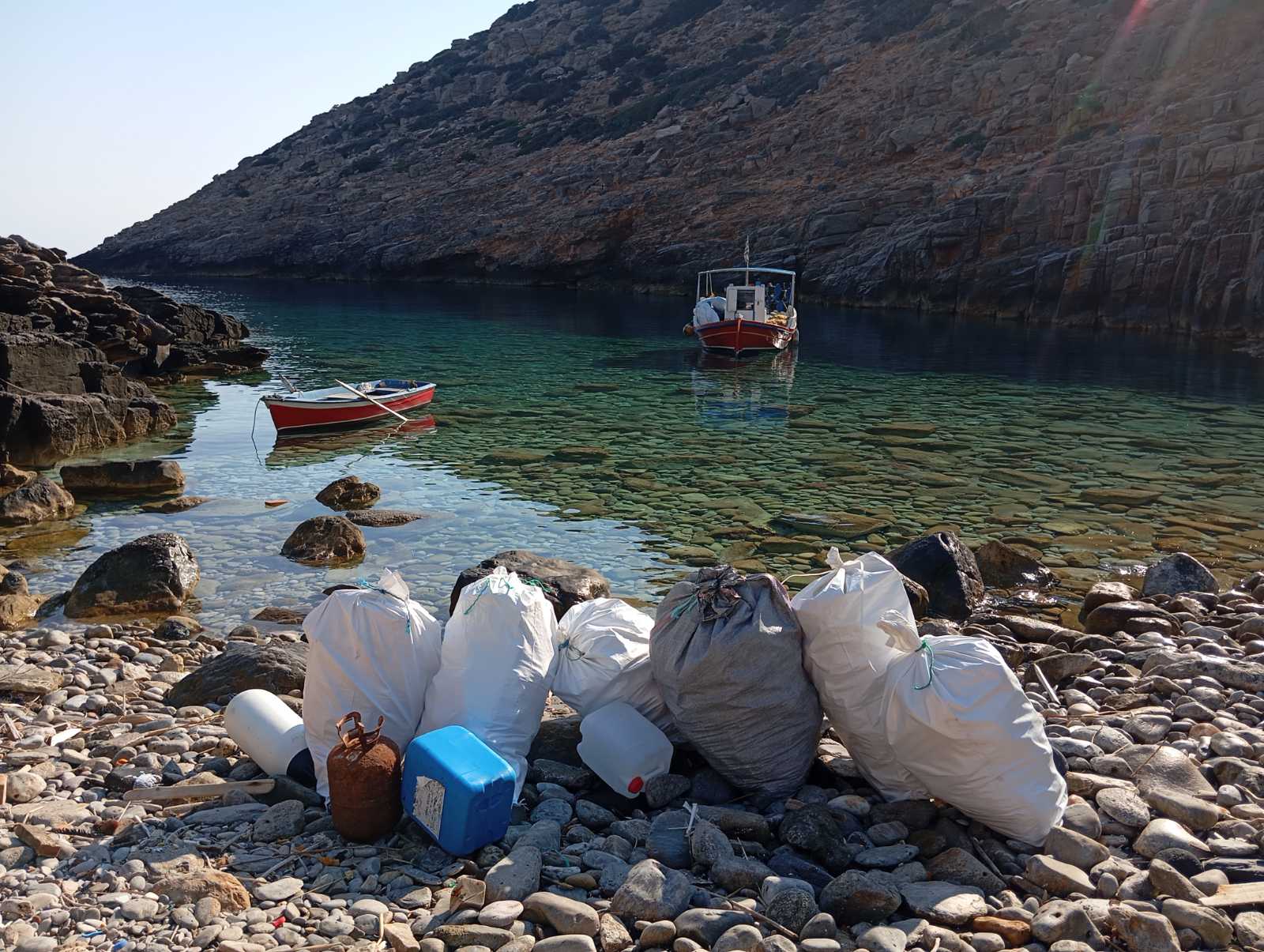
The implementation of the Presidential Decree for “Amorgorama” marks a major regulatory milestone in Greece, establishing fishing restrictions in the coastal zone of Amorgos to safeguard the island’s marine wealth.
This initiative, which officially came into effect this week, is recognized as an emblematic, collective effort starting with the local fishermen.
The “Amorgorama” decree and action plan
The Presidential Decree (PD No. 73, published August 18, 2025) establishes regulatory measures for fishing in the coastal zone. It was driven by the Amorgos fishing association—whose president, Michalis Krosman, noted that this brings a 10-year struggle for marine protection to fruition.
The action plan provides for several key measures to ensure a sustainable marine ecosystem:
- Fishing Cessation: Discontinuation of fishing activity during April and May, the crucial months for fish reproduction.
- Coastal Cleanup: Cleaning of beaches inaccessible from land during the same two-month period.
- Gear Transition: Gradual shift of fishing gear to more sustainable ones.
- Marine Protected Areas: Creation of three no-fishing zones along the coastline of Amorgos Island.
The initiative received broad support from the local community, the Municipality, civil society organizations (like the Cyclades Preservation Fund and Blue Marine Foundation), and several government ministries.
European control and enforcement

Enforcement of these regulations and fisheries monitoring are supported by European cooperation, highlighted by a visit to the European Fisheries Control Agency (EFCA) vessel, Ocean Sentinel, currently stationed at Amorgos.
The Executive Director of EFCA, Dr Susan Steele, confirmed that the Ocean Sentinel is permanently stationed in the Mediterranean (since 2022) and conducts patrols with inspectors from Greece, Italy, Cyprus, and Malta.
The agency’s work is crucial for ensuring equal competitive conditions for all fishermen in the Mediterranean. Dr Steele noted that, along with other control means, over 4,500 inspections were conducted last year, resulting in observed “huge increases” in species like bluefin tuna.
The proper application of these regulations relies heavily on cooperation with the Hellenic Coast Guard and the use of electronic monitoring systems for tracking both fishing and tourist vessels.
The Secretary General of Shipping and Ports, Vangelis Kyriacopoulos, stressed the importance of ensuring legal security for the fishing process during implementation.