
In modern gaming, the massive multiplayer online game can be a very risky direction for a new title. In recent years, some live-service titles and always-online experiences have been big hits — but they’ve also become some of the industry’s biggest flops. Even in the last few years alone, infamous collapses right after (or even before) launch have sunk promising-looking games.
It’s spread to live service as a whole, with behemoths like Fortnite also struggling to maintain their player bases. Now, one of the more exciting-looking new additions to the landscape, The Cube, Save Us has announced it will be shutting down less than a month after it formally launched. This suggests that something has happened to the MMO game as a concept and highlights the struggles those kinds of games have been facing in a very competitive modern market.
The Cube, Save Us Is Just The Latest Live-Service MMO Game To Go Down
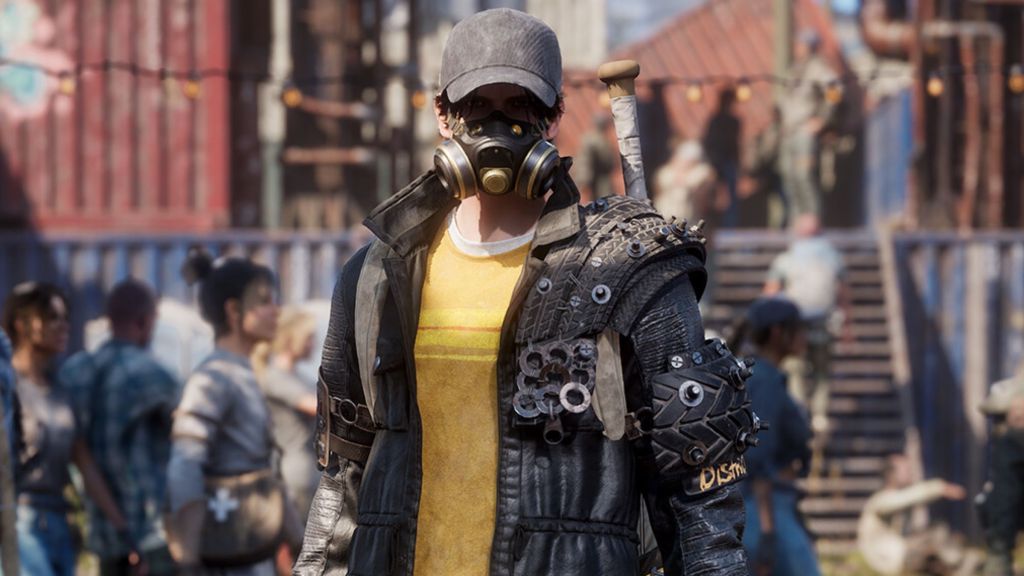
Live-service games have been suffering across the board lately, with high-profile shooters like Highguard suffering from premature closures and even titans of the industry like Fortnite struggling to maintain a player base. It’s been an especially difficult time for MMO players, with The Cube, Save Us being just the latest casualties of the industry. Despite the demo for the game being among the most-played games available during 2025’s Steam Next Fest, the game wasn’t able to translate that into bigger success with a wider audience.
After debuting on March 17 to low player counts and lackluster reviews on Steam, the game is already set to shut down on May 8. Developer XL Games has already confirmed that refunds will be given to players who purchased in-game items and weapons. That’s a far better fate than what others might expect from other notable flops of this year, such as Ashes of Creation, which went from a highly acclaimed audience-backed title to a lesson in behind-the-scenes drama.
The Cube, Save Us isn’t too surprising a turn, given how the larger player base hasn’t been there for the game and the public perception has turned against the title. Still, this is just the latest development in a trend surrounding always-online games. The sheer cost of those kinds of games makes investing in them all the more tricky in the current space, but that’s only part of the problem. In fact, the massive multiplayer online game structure as a whole seems to be in danger at the moment.
Why The MMO Game Is In Trouble
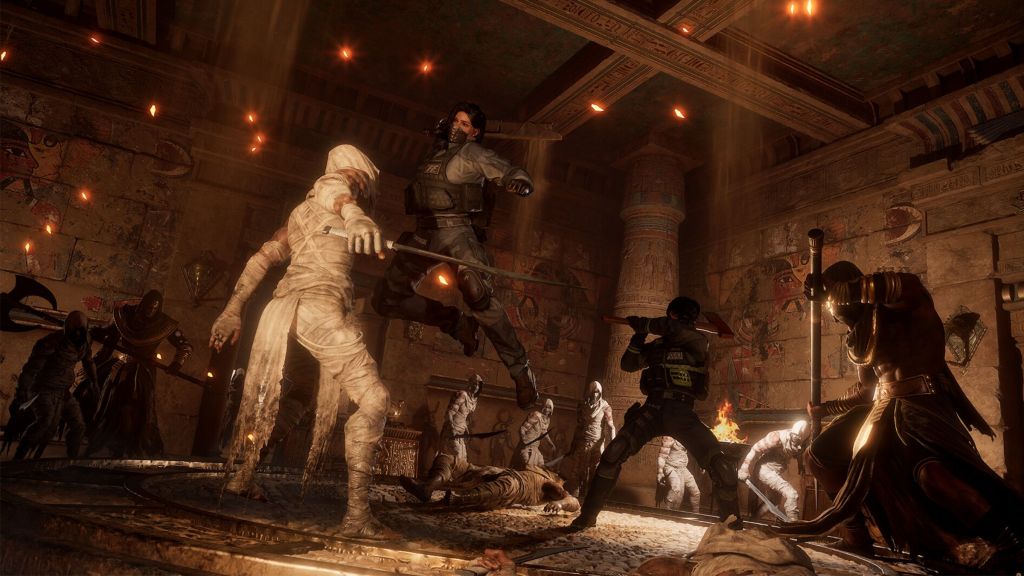
MMO’s can refer to a lot of different genres, and there are clearly still successes in the industry that use that model. World of Warcraft has been an enduring fixture for over twenty years, while games like ARC Raiders highlight how online games can quickly develop a loyal fanbase. However, the MMO and live-service models have also proven to be an increasingly risky space for developers. The necessary cost and prerequisite player interest to keep a game constantly online can prove to be too much even for large companies with potentially large-scale operations.
That’s why behemoths like Sony will pull games like Concord after less than two weeks, determining the necessary investment to turn new IP like that into a hit isn’t worth the likely cost. This comes even as players seem to still really enjoy playing games together online. While MMO games are struggling, single-player experiences — especially AAA-games — are struggling to land with younger audiences as well as they did in previous generations. Instead, players seem to be flocking more regularly to open-world games like Minecraft or Roblox rather than diving into the highly produced worlds of Highguard or New World: Aeternum. Mobile games have also increasingly taken hold of the larger player imagination, cutting down on the success of other platforms and styles of game.
Even established IPs like Elder Scrolls Online have stumbled recently, losing enough players that the game has begun to be sunsetted. Especially with the rise in indie games thanks to digital platforms like Steam and the spread of online connections in the broader gaming culture, a game can become a sudden smash hit with little warning and from out of nowhere. By contrast, glossy should-be hits are flopping and being shut down within a matter of months, weeks, or even days — if they get released at all.
Live-service and MMO games are struggling in a way that this type of game isn’t really used to. While the success of ARC Raiders and the enduring power of franchises like Battlefield and games like World of Warcraft prove that online gaming isn’t going anywhere, it’s clear that the constantly online MMO landscapes may not be what the broader audience wants. It’ll be interesting to see how the industry reacts and what developers are able to use the shifting tastes to their advantage — and which ones get left in the past.