


?>
Originally published in Jersey Jazz Magazine. Reprinted by permission of the New Jersey Jazz Society.
The City of New Orleans, obviously, holds a mythical status in the world of jazz. The genre (or at least the form with which listeners are familiar) was invented and developed there, and every jazz musician – from the swingiest to the most avant-garde – holds at least some debt to the bygone inhabitants of the Big Easy. However, while the city is rightfully revered for its place in jazz history, its musicians tell a more complicated story.
Many of NOLA’s most famous denizens – including Louis Armstrong, Sidney Bechet and Wynton Marsalis – all ultimately left the city. This inevitable exodus of New Orleans’ most notable musicians therefore begs the question: What is a jazz mecca without its most famous musicians? Is it merely a jazz museum, a place for music tourists to check the box before returning to the more cutting-edge jazz scenes of New York or Chicago? Is there a place for New Orleans in today’s jazz idiom?
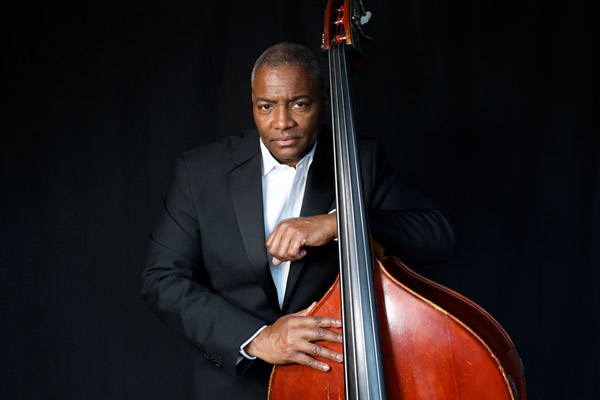
Bassist/vocalist Thaddeus Exposé left New Orleans as well. Born and raised there, he has spent the past two decades living in Whippany, NJ, during which time he has been teaching music in the Newark Public School District. As a music teacher, Exposé (Thaddeus Exposé is, magnificently, his birth name) won the prestigious Barry Manilow Music Teacher Award in 2022, given by the Manilow Music Project, where he and his students were awarded grant money for new instruments and facilities. At age 63, Exposé is two years from retirement. He never intended to be a teacher, but he rose to the occasion and, as evidenced by the Manilow grants, touched dozens of lives.
Still, while Exposé has flourished in North Jersey, New Orleans has remained part of his core. Exposé’s music is firmly rooted in the Crescent City, and, upon retirement, he plans to re-dedicate his life to recording and performing. Exposé will be performing bass and vocals at the Morris Museum in Morristown, NJ, on February 7, 2026 during his fifth annual Mardi Gras celebration. He’ll be leading a large band including Wallace Roney, Jr. (trumpet), Evan Christopher (clarinet), Marty Eigen (saxophone), Peter Lin (trombone), Bernard Elliott (piano), Gordon Lane (drums), and Ayana Lowe (vocals). It promises to be a rousing, energetic celebration of jazz’s history, and the city that birthed Exposé, who is excited about the performance — especially the opportunity to share his origins with North Jersey music fans.
“I’m happy I came from New Orleans,” said Exposé. “It has so much to offer. Not only the food, the atmosphere, the weather is good, but the music is just extraordinary. There’s such diversity of styles of music. You walk down Frenchmen Street or Bourbon Street, you might hear some blues, you might hear some fusion music, you hear some New Orleans music, you may hear some straight-ahead jazz, you may hear some funk, you may hear some Cajun music.
New Jersey Stage provides affordable advertising for the arts, click here for info
“So, it has a variety of different music. I love New York, too, but New Orleans – You know, when you hear music from New Orleans, you know exactly where it came from. It is the only style of music that you know is considered New Orleans music.”
Exposé’s father worked in a warehouse, but at home, he had several hobbies. He was excellent in math. He liked to fix cars. And he played the guitar. His father would play along with those classic soul/funk cuts of the 1960s and 1970s – the Temptations, the Bar-Kays, the Ohio Players. But while Exposé loved the guitar, what spoke to him were the basslines.
“There are two things I got from my parents that I learned,” he said. “I learned a work ethic from my father, and I learned how to love and treat people from my mother and my grandmother. Those are the things that I got growing up with a family.”
Exposé didn’t have formal music lessons at first, but he picked up the bass quickly, and by eighth grade he had joined a band that won second place in his school’s talent show. Consistent with the then-current soul/funk groups that were inspiring him, Exposé initially played electric bass. “During that time, if you went to the prom, you had a band playing, not a DJ,” he recalled. “You had all these bands then, and I wanted to be a part of that.”
He was in a band, but couldn’t read music. Like so many young people growing up in New Orleans, his family could not afford music lessons. Ultimately, a member of Exposé’s church congregation, who was also involved with music, recommended that he attend Xavier University, which had a strong music program. Exposé was a bit skeptical at first as to the prospect of attending college, but another local musician, guitarist Carl LeBlanc, convinced him otherwise.
“He said, ‘Do you have to go to school to become a doctor?’” began Exposé. “I said, ‘Yeah.’ Well, there you have it. So, he answered that question. After that, it was the pursuit of music full force.”
A Xavier professor introduced Exposé to New Orleans-based bassist Walter Payton (father of trumpeter Nicholas), who helped formalize Exposé’s playing.
Shortly thereafter, Exposé relocated to Chicago (“on a wing and a prayer”), with Nicholas Payton soon to follow. “Chicago is where I really developed and got it together, but New Orleans was the start,” Exposé said. “I got pretty good and then one day I just hired Nicholas to come up to do a gig with me, and that’s how I really got started.” In Chicago, Exposé went the more straight-ahead route and switched to upright bass, which has since become his specialty and preference (though he will play both electric and acoustic bass during his Morris Museum gig).
“I play the instrument that most people fear, that most people run away from because of its size,” Exposé said. “The bass provides the foundation that holds the music together. A bass can make or break the music, its low sound holds everything together.”
While in Chicago, Exposé also began teaching music. He ultimately earned a Bachelor’s Degree in Music Education from Northeastern Illinois University, and then, upon relocating to New Jersey, a Master’s Degree in Music from William Paterson University.
While he was far away from New Orleans, Exposé remained spiritually close to the city of his upbringing. “This is why I’m doing the performance at the Morris Museum,” he explained. “Because of the culture that I’ve invested myself in, that I’ve been around all my life. It’s the music, it’s the second line [New Orleans brass parade], it’s the New Orleans Indians. There’s no other place that can provide that type of culture.”
In one story, Exposé described dancing in a “neutral ground” (i.e., a median dividing traffic lanes in a boulevard) back in New Orleans. “In New Orleans the neutral grounds are wide with trees, where you can hang out.
“It was on Claiborne Avenue,” he began. “On one side of Claiborne Avenue, you have Tremé, where Congo Square was created. Congo Square is an area where people danced, where you were only allowed to dance and express yourself, while being Black, only on Sundays. Any other day, you did not have that opportunity. During the late 1800s and early 1900s, artists and dancers would all meet in the same area, but only on Sundays. I played music in that area.
“But not only that,” he continued. “I wanted to be a ‘bucket man.’ Bucket men were dancers, they dressed up in outfits based on age groups, and they would dance in the street. I always wanted to be a part of that. But coming from a Christian family, my mother wouldn’t let me. But my cousins were able to dress, and we called them ‘New Orleans Indians.’ They all wore elaborate crowns of feathers, and each neighborhood was a different color. You come out during Mardi Gras Day and St. Joseph’s Night, and dress in your color.
“[Saxophonist] Donald Harrison’s father was a Chief, and Donald became a Chief as well. He lived right across the street from me. Anyway, this is all part of the culture that allows me to do what I’m doing right now.”
With regard to singing, Exposé explained that, “I’m a bass man, and I really didn’t start singing New Orleans songs until maybe 10 years ago. I was on a Mardi Gras gig with somebody, who was singing, and I thought ‘This is so wrong!’ So, the next year came around I started building my repertoire.
“You want to let the audience know,” he emphasized, “that this is New Orleans music. I was in a brass band once, and [pianist/vocalist] Jon Batiste was there. He played ‘Bourbon Street Parade.’ And when you play that song, it makes you want to dance. You can’t help but move to that music. The syncopated rhythm in the music makes you want to move your body.”
New Jersey Stage provides affordable advertising for the arts, click here for info
“So, all the songs that we play, when you sing those type of songs, you can’t help but to get up and want to dance. So, when I do my performances, I bring some umbrellas, I bring my tambourine. Everybody loves to get something and everybody wants to be involved with audience participation. I love pulling the people in, because music is healing.”
As far as New Orleans’ place in the modern jazz idiom, Exposé would argue that New Orleans is as vital as ever.
“First of all,” he began. “It’s a myth that when you go down to New Orleans, you think all you’re going to hear is New Orleans music. When you get down there, you realize that it’s such a variety of different styles, you can’t categorize New Orleans. You can incorporate the New Orleans feel with the modern music that you have now.”
In the coming years, and certainly upon his retirement from the Newark School District, Exposé intends to continue to perform gigs and ultimately record his proper debut album. Rest assured, it will be a tribute his birthplace – and the birthplace, and home of the continued resilience of jazz.
The Morris Museum is located at 6 Normandy Heights Road in Morristown, NJ. The Thaddeus Expose Mardi Gras concert begins at 7:30pm on Saturday, February 7, 2026. For more information or to order tickets, log onto morrismuseum.org or call (973) 971-3700.
or region of New Jersey
click here for our advanced search.
or region of New Jersey
click here for our advanced search.
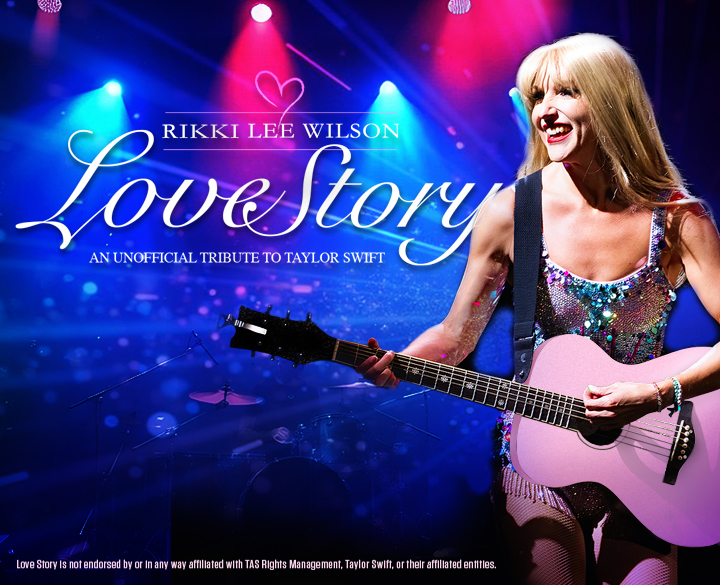
Start the New Year with Rikki Lee Wilson’s Taylor Swift Tribute at The Broadway Theatre of Pitman
January 2-4, 2026
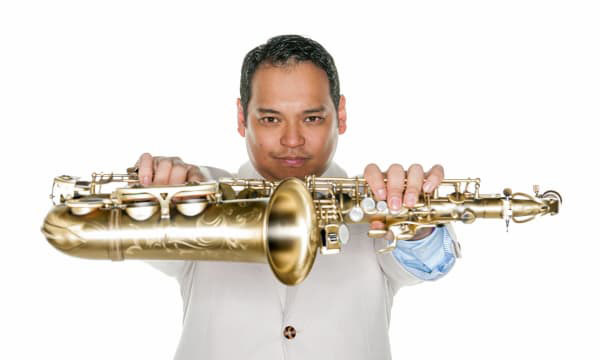
Saxophonist/Educator Julius Tolentino to perform with Former Students at January Jersey Jazz LIVE!
January 4, 2026
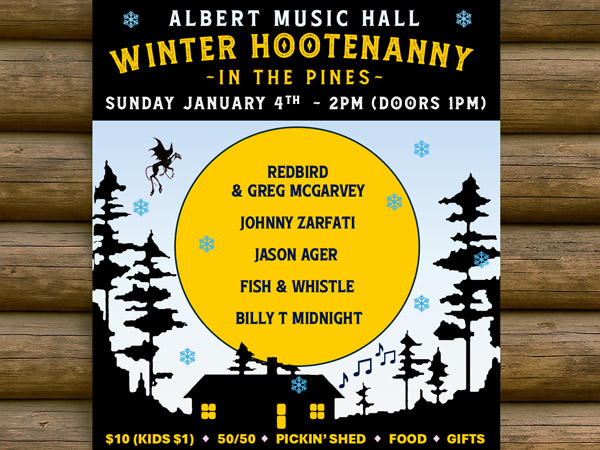
Albert Music Hall presents its annual Winter Hootenanny in the Pines
January 4, 2026

Lizzie Rose Music Room presents James Maddock
January 9, 2026
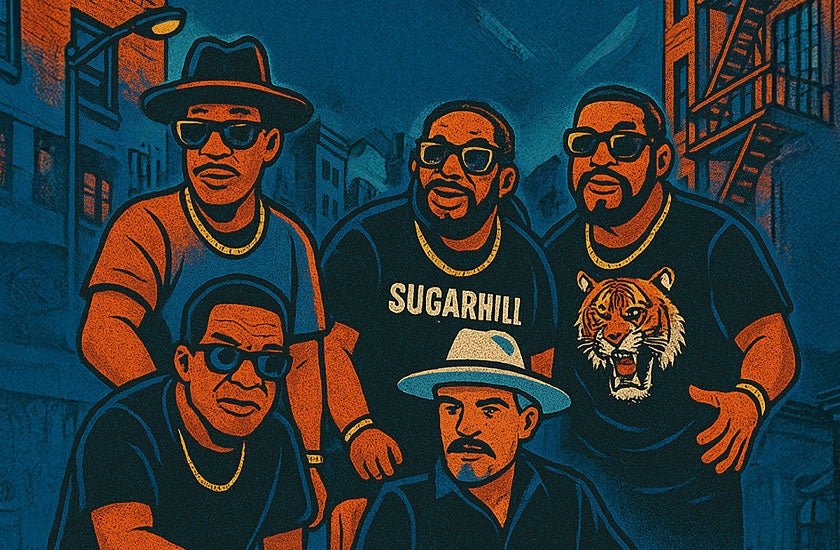
bergenPAC presents Sugarhill Gang – The Eras of Hip Hop Tour
January 10, 2026
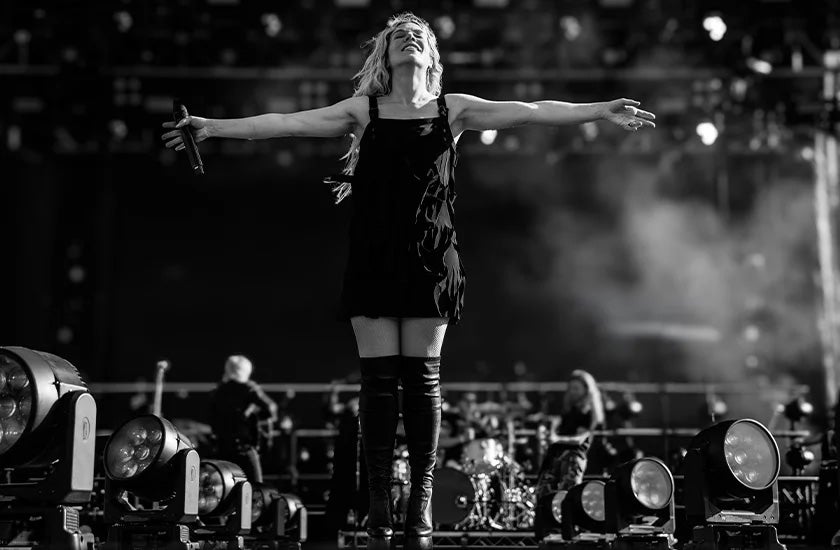
bergenPAC presents The Band Perry on January 11th
January 11, 2026
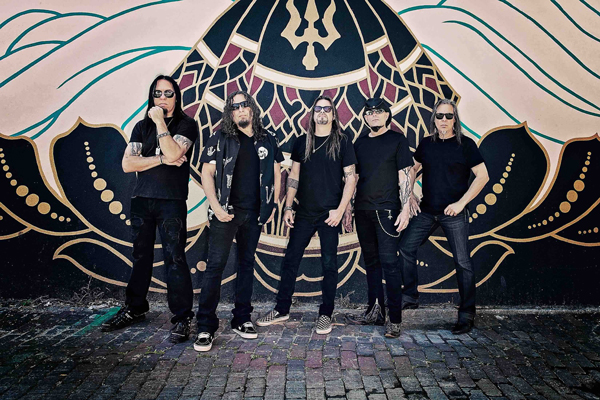
The Newton Theatre presents Queensrÿche
January 15, 2026
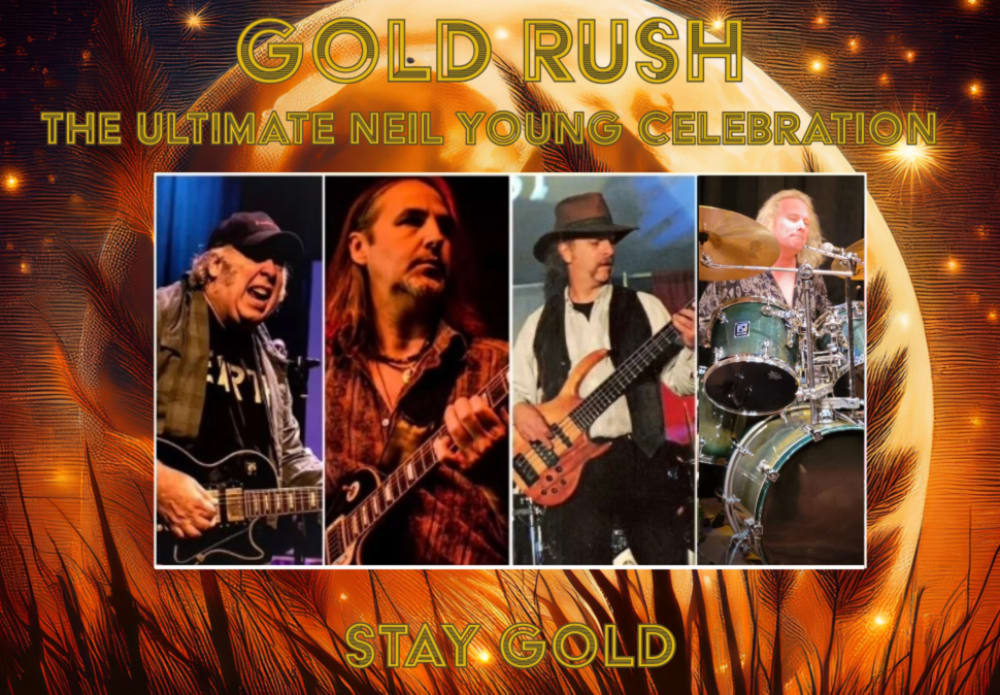
Brook Arts Center presents Gold Rush: The Music of Neil Young
January 17, 2026
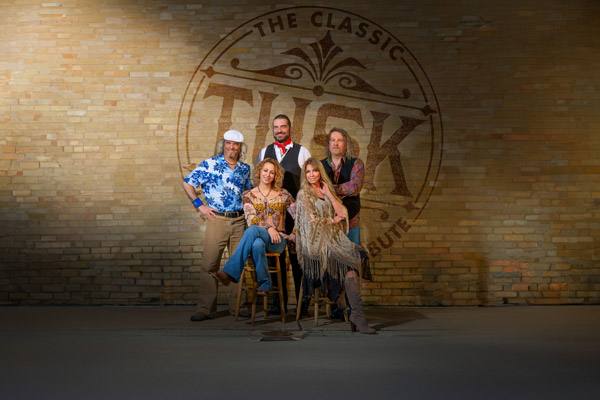
State Theatre presents Tusk: The Classic Fleetwood Mac Tribute
January 17, 2026
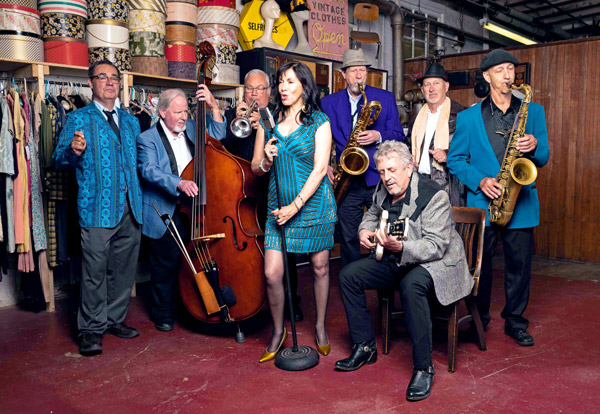
Roomful of Blues to Celebrate New Record at Lizzie Rose Music Room
January 18, 2026