
The human brain may maintain consciousness for a considerable period following clinical death, according to research presented at a major scientific gathering in the United States.
Anna Fowler, a researcher at Arizona State University, shared her analysis at the American Association for the Advancement of Science conference in Phoenix, Arizona.
Her work examined numerous studies exploring near-death experiences among cardiac arrest survivors.
The findings challenge conventional understanding of death.
“Emerging evidence suggests that biological and neural functions do not cease abruptly,” Ms Fowler told the conference.
“Instead, they steadily decline from minutes to hours, suggesting that death unfolds as a process rather than an instantaneous event.”
She has called for a fundamental reassessment of what she terms the “reversibility of death”.
Ms Fowler’s analysis drew upon more than twenty studies examining both human near-death experiences and animal research into post-mortem brain activity.
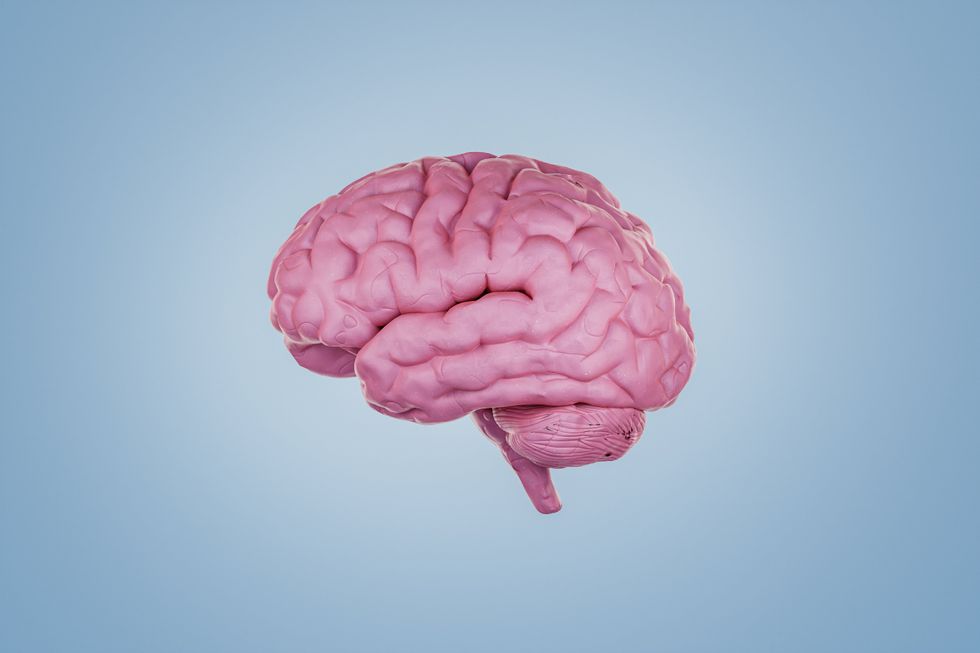
The human brain may maintain consciousness for a considerable period following clinical death
|
GETTY
“Cardiac arrest studies show that up to 20 per cent of survivors recall conscious experiences during periods of absent cortical activity, with some reporting verifiable perceptions,” she said.
Research published in 2019 demonstrated that the brain can generate electrical signals for many minutes after death, potentially extending to hours under preserved conditions.
A separate investigation from 2023, appearing in the Resuscitation journal, indicated that awareness and mental processes may continue for up to sixty minutes during cardiopulmonary resuscitation.
Dr Sam Parnia, who leads critical care and resuscitation research at New York University, suggested dying hospital patients likely remain aware longer than medical staff realise, with many potentially hearing their own time of death being announced.
The research carries significant implications for medical practice, with Ms Fowler urging hospitals to reconsider both their resuscitation protocols and the timing of organ retrieval procedures.
Approximately one-third of organ donations take place after cardiac arrest, with medical teams typically aiming to harvest organs within minutes of death being declared to ensure viability for transplantation.
However, Ms Fowler warned that donors in such circumstances might still possess some degree of consciousness during the procedure.
Speaking to journalists at the conference, she expressed her belief that organs have indeed been removed from individuals who remained aware.
“Understanding the biological timing of death can help ensure these decisions are made with scientific accuracy and ethical clarity,” she noted in her presentation.
Ms Fowler proposed that mortality should be understood as a phased phenomenon rather than a singular moment.
“You have stage three cancer, stage two cancer. Well, there are stages of death,” she argued.
The researcher is advocating for an update to the American definition of death, which was established during the 1980s.
“What does happen when we die? Nobody really knows,” she remarked. “I really want people to think and consider what it means to truly die.”
Her conclusions suggest that what was once considered an absolute boundary may in fact be far more fluid.
“These findings invite a redefinition of death as a gradual, interruptible process, one that science may increasingly learn not just to delay but to challenge outright,” Ms Fowler stated.