
An Italian Labor Probe, Mio/Konektra, TikTok’s Resale Push, the Yeezy ESG Angle & AI Inventorship Guidance
The Latest in Italy’s Labor Crackdown
Italian police have launched a sweeping inquiry into supply chain practices in the luxury fashion world, visiting the headquarters of 13 major fashion brands – including Prada, Gucci, Versace, Dolce & Gabbana, and Adidas Italy – to request governance and compliance documents. While none of the companies are under investigation, prosecutors are examining their potential links to subcontractors accused of exploiting workers, particularly in Chinese-owned workshops. The probe aims to assess whether these brands have adequate controls to prevent labor abuse.
This comes amid broader efforts by Italian authorities to safeguard the integrity of the “Made in Italy” label and clean up a sector that produces over half of the world’s luxury goods.
CJEU Sounds off on Mio/konektra
The Court of Justice of the European Union issued its long-awaited decision in the Mio/Konektra cases on Thursday, clarifying that utilitarian objects, such as furniture, can qualify for copyright protection under the same standard as other creative works.
>> The critical caveat: Those utilitarian objects must reflect the author’s free and creative choices.
The decision stems from two ongoing infringement cases in Sweden and Germany involving claims by design manufacturers Galleri Mikael & Thomas Asplund and USM U. Schärer Söhne against retailers Mio and konektra.
The CJEU rejected the notion that applied art must meet a higher originality threshold or be recognized in professional design circles to be protected. This harmonization of copyright standards across the EU has far-reaching implications not only for furniture design but also for fashion, where functional items often embody strong creative expression.
TikTok’s Pre-Owned Luxury Play
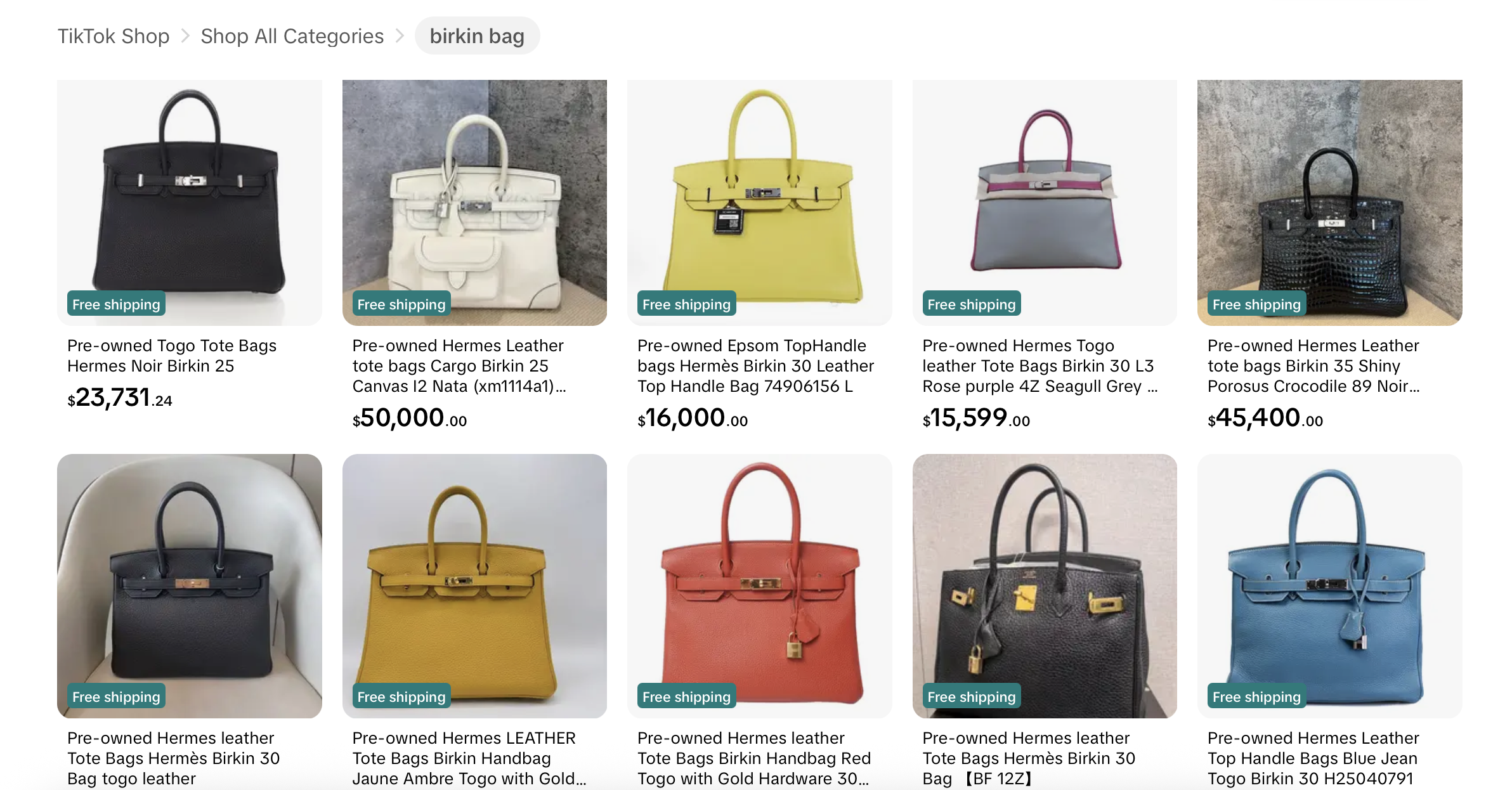
More than two years after I exclusively reported that TikTok was starting to build out a fully-fledged luxury resale play as part of its stateside e-commerce push, the social media giant’s in-app shop now lists secondhand Hermès Birkin and Kelly bags, Chanel bags, Rolex watches, and Cartier jewelry alongside limited-edition sneakers.
>> On the authentication front: “Most of the items are used and listed by secondhand resellers, many of whom are using artificial intelligence to verify the products’ authenticity in hopes of leveraging TikTok’s enormous global reach to find new buyers,” per Bloomberg.
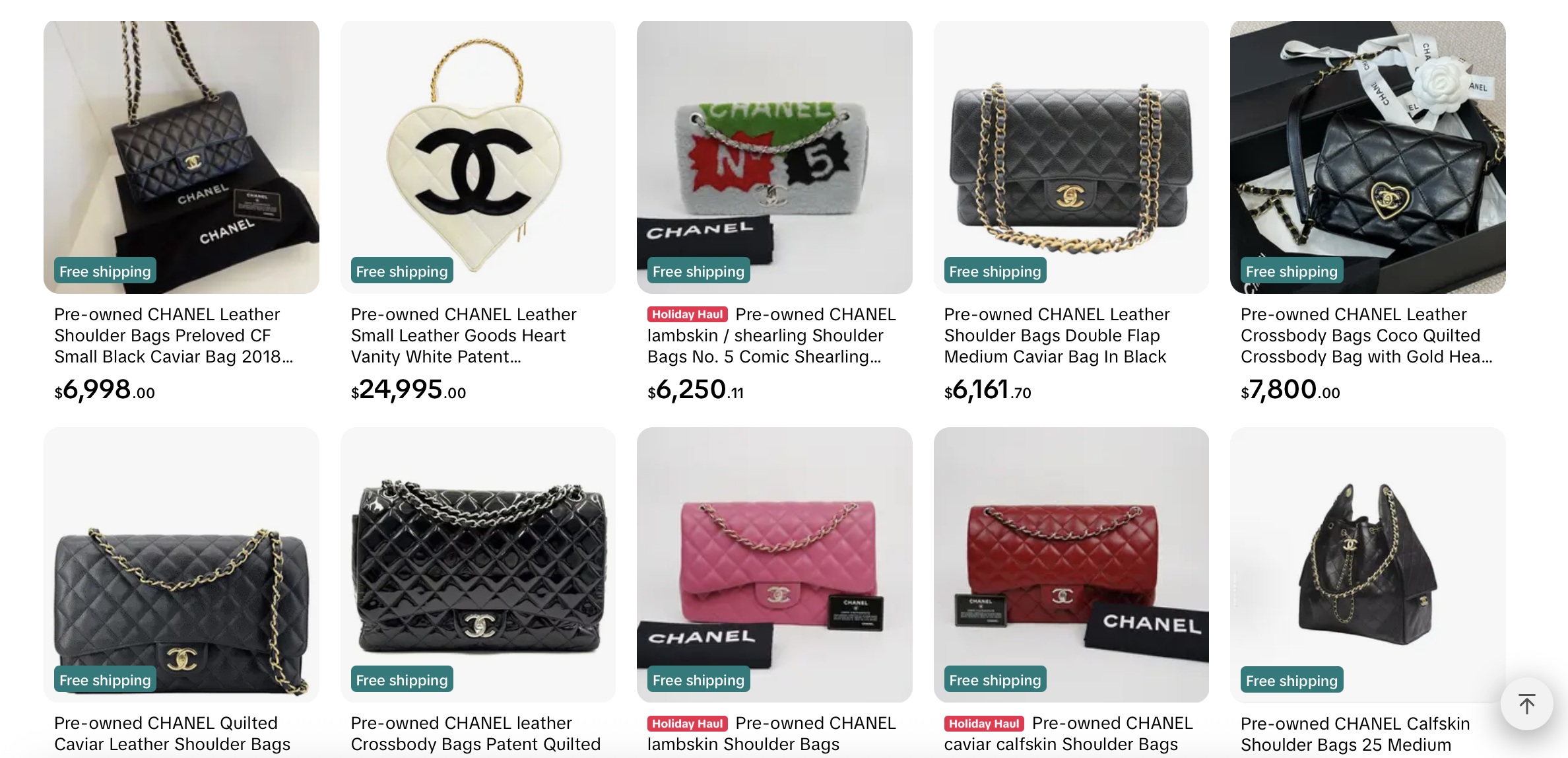
Also according to Bloomberg: “The platform also takes enforcement action aimed at cracking down on policy violations, including counterfeits. In the first half of this year, it rejected the applications of 1.4 million prospective sellers that failed to meet Shop standards and more than 70 million product listings before they went live, according to a TikTok Shop safety report released this month. It also removed more than 200,000 ‘restricted’ or prohibited products after they were listed.”
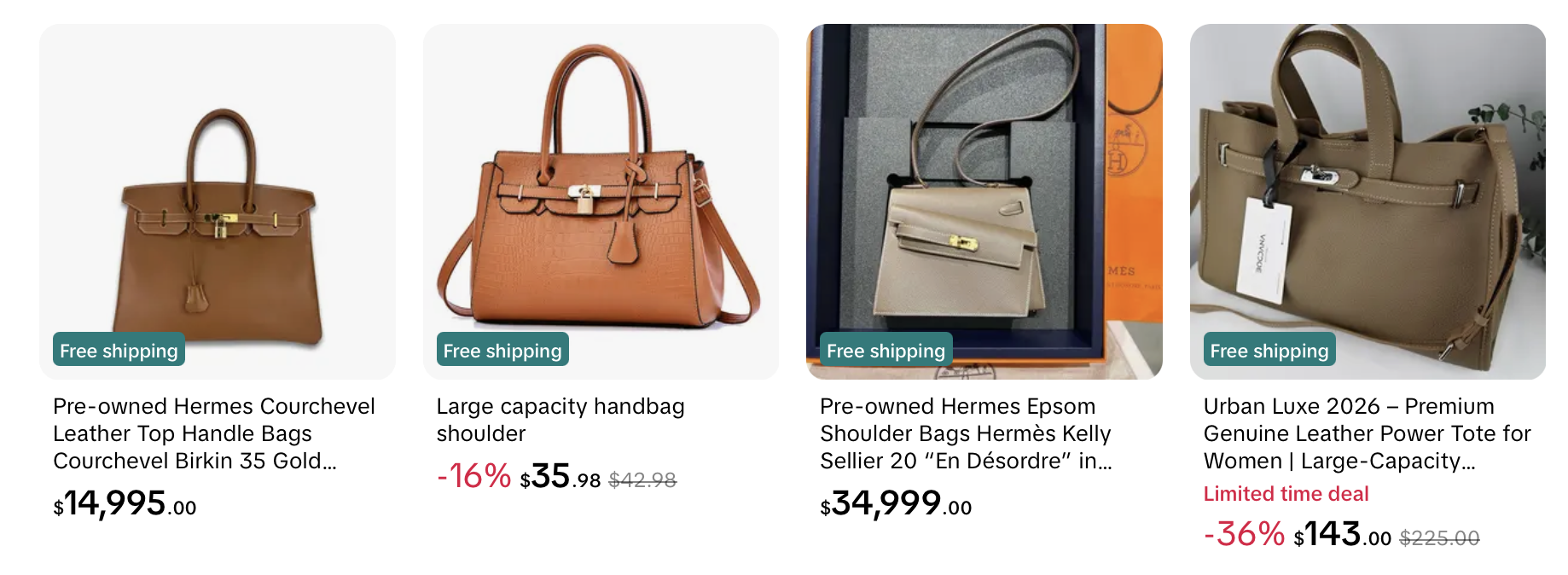
So far, the screening of products by brand name keywords is not perfect. A search for “Birkin bag” brings up 30+ potentially legitimate Hermès bags and a few obvious stragglers …
The ESG Angle of the Yeezy Stock Drop Case
I reported this week that the Ninth Circuit’s affirmed adidas’ win in a stock drop case waged against it over its since-terminated Yeezy partnership. I want to double down on what’s arguably the most interesting aspect of the case: Plaintiff pension fund HRSA-ILA’s claim that adidas’ statement of compliance with the Global Reporting Initiative (“GRI”) “Core” standards – which underpin the EU’s Non-Financial Reporting Directive (“NFRD”) – was misleading because the company allegedly failed to disclose serious internal issues, including Ye’s repeated misconduct and a toxic workplace culture.
According to the fund, these omissions directly contradicted adidas’ public ESG commitments and created a false impression of integrity and transparency in its non-financial reporting. But the court rejected the claim, finding that adidas’ compliance statement …
> Was not “capable of objective verification,” a requirement under U.S. securities law for a statement to be actionable;
> Was based on broad, discretionary ESG standards that lack precise, enforceable meaning in this context;
> Could not support a securities fraud claim under Section 10(b) of the Exchange Act.
The court also noted that HRSA-ILA had admitted uncertainty about whether any enforcement authority exists to interpret the GRI, further weakening its claim. The ruling reinforces that aspirational ESG disclosures, especially those tied to voluntary global frameworks, are unlikely to form the basis of securities fraud unless they are specific, measurable, and verifiable.
USPTO’s Updated AI Inventorship Guidance
The U.S. Patent and Trademark Office issued updated examination guidance this week clarifying inventorship standards for AI-assisted inventions, formally rescinding its February 2024 guidance.
>> Under the new directive, only natural persons can be named as inventors on patent applications, even when AI systems play a role in the creative process.
AI is now explicitly considered a tool, akin to software or laboratory equipment, rather than a co-inventor. The guidance reinforces that standard legal tests for inventorship, centered on “conception,” apply regardless of AI involvement. It also confirms this policy extends to utility, design, and plant patents, and affects how priority claims are evaluated when foreign patents list AI systems as inventors.