
The exact speed that makes an AI prosthetic arm feel like your own
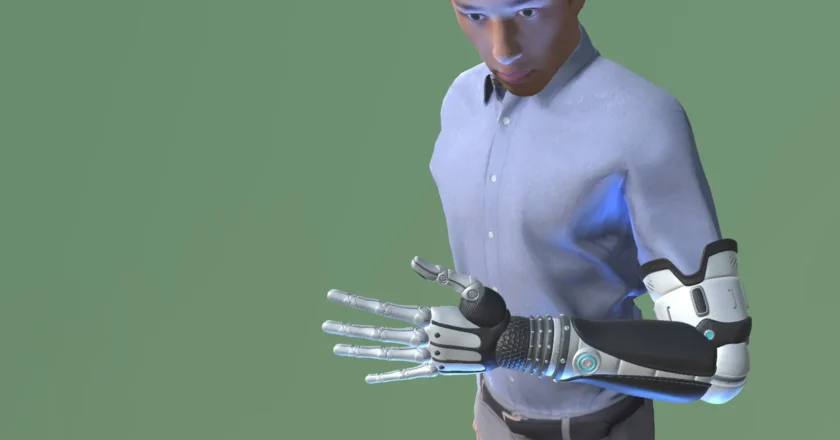
As artificial intelligence powered prosthetic arms become more common, understanding how people respond to them will be essential. Acceptance depends not only on how well these devices function, but also on how natural they feel. In this study, researchers used virtual reality to create the illusion that a participant's own arm had been replaced with a robotic prosthetic. They then tested how different movement speeds influenced embodiment, including body ownership, sense of agency, usability, and social impressions such as competence and discomfort.
The findings showed a clear pattern. When the prosthetic arm moved too quickly or too slowly, participants felt less connected to it and rated it as less usable. However, when the arm moved at a moderate pace similar to natural human reaching,...