
Hassan Abdalla, Governor of the Central Bank of Egypt (CBE), affirmed that climate change has evolved from an environmental concern into a core financial issue, underscoring the central bank’s leading role in steering Egypt’s banking sector towards sustainability.
“Climate change is no longer an environmental issue; it has evolved into a financial one,” Abdalla said. “Within this framework, the CBE is playing a pivotal role in catalysing the banking sector’s transition towards a more sustainable future through issuing the Sustainable Finance Guiding Principles in 2021, the Sustainable Finance Binding Regulations in 2022, and the Carbon Border Adjustment Mechanism (CBAM) directive in 2025. Our participation in this forum aims to promote financial and banking stability efforts and strengthen the long-term competitiveness of Egypt’s economy.”
In line with efforts to advance green finance policies and strengthen market capacity, the CBE, in partnership with the International Finance Corporation (IFC), hosted a sustainable finance conference on Sunday, 15 February 2026, under the theme “Innovating for Resilience: Financing for a Sustainable Future.”
The event featured keynote addresses by Abdalla; Ethiopis Tafara, IFC Regional Vice President for Africa; Mohamed Farid, Minister of Investment and Foreign Trade; Olayemi Cardoso, Governor of the Central Bank of Nigeria; and Jürgen Schulz, Ambassador of Germany to Egypt. The opening session was also attended by senior government officials, including the Minister of Planning and Economic Development and the Deputy Minister of Foreign Affairs for International Cooperation.
“For fifty years, IFC has worked with Egypt to turn economic challenges into opportunities by supporting a dynamic and competitive private sector to deliver lasting development impact,” said Tafara. “Through our investment and advisory engagements, we are advancing national priorities – from sustainable energy to MSME development – for a more competitive and inclusive Egyptian economy.”
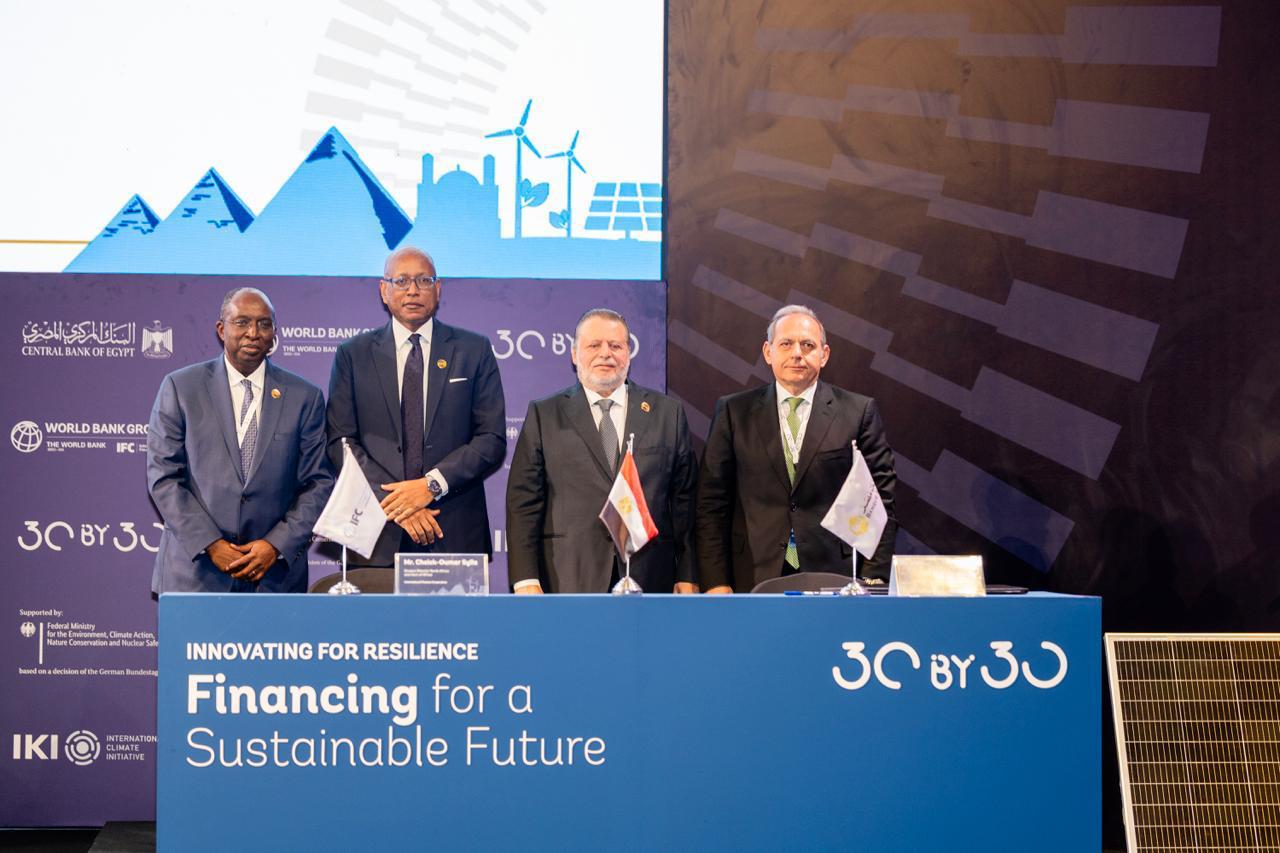
The conference brought together senior policymakers, representatives of local and international financial institutions and private-sector leaders. Speakers reaffirmed Egypt’s commitment – alongside international partners – to advancing the sustainable finance agenda, enhancing climate resilience and accelerating the transition to a low-carbon economy.
Panel discussions focused on mobilising private capital for climate action, developing innovative financing instruments for green projects, strengthening regulatory frameworks and policy enablers, and building resilient financial systems. Participants also highlighted emerging economic opportunities linked to the climate transition, including job creation, the development of new markets and growth in sectors such as agricultural technology (Agri-tech). Discussions underscored the importance of innovation, sound policy design and cross-sector collaboration in scaling up climate finance.
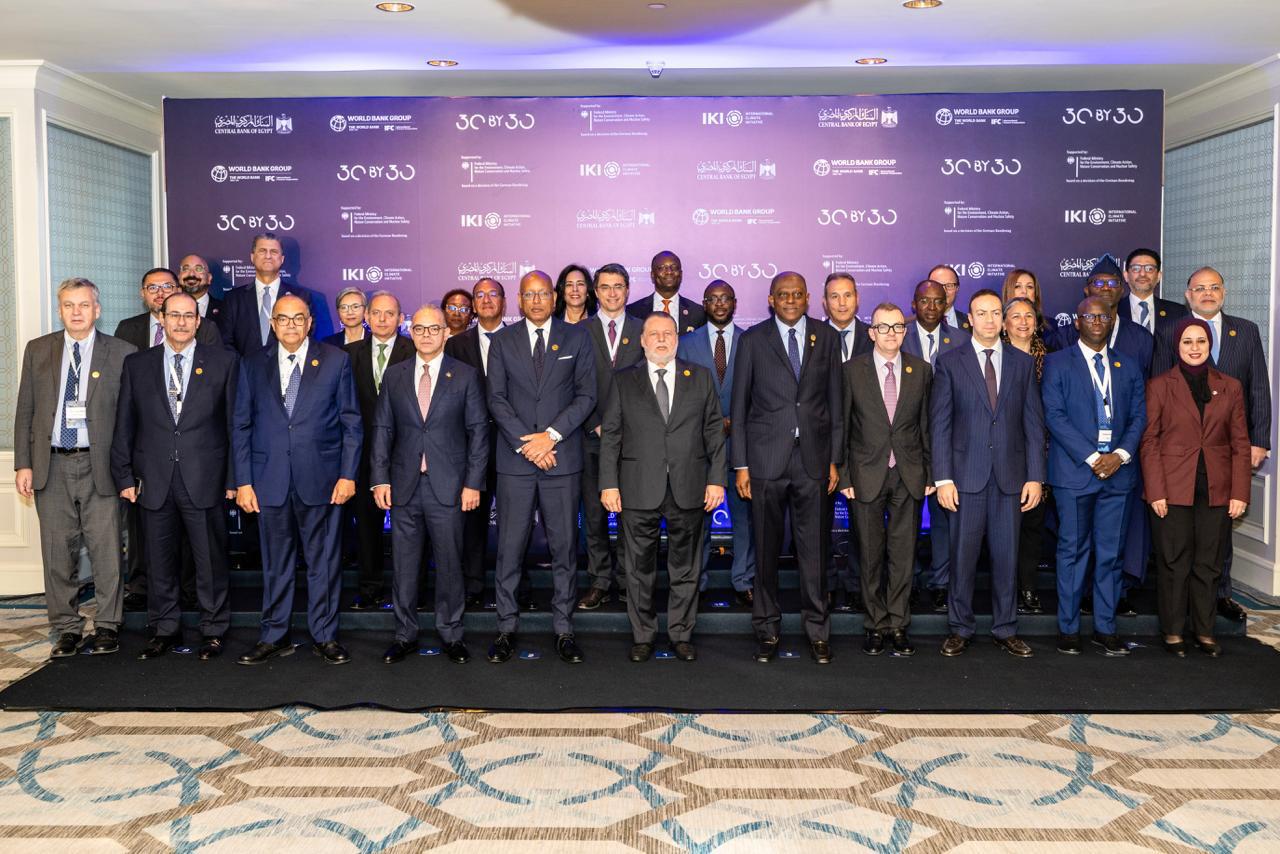
Participants emphasised the need to reinforce climate-aligned financial systems across Egypt and Africa, strengthen resilience and ensure sustainable growth. They called for continued cooperation among policymakers, financial institutions and development partners to enhance the capacity of financial systems to manage climate-related risks.
On the sidelines of the conference, Abdalla and the IFC’s Regional Vice President for Africa witnessed the signing of a cooperation protocol between the IFC and Banque Misr. The agreement forms part of a broader IFC Board-approved investment envelope of up to $220m, including a $150m, three-year senior sustainability loan accompanied by technical assistance. The financing will support the allocation of funds to eligible climate-related assets and ensure portfolio monitoring and reporting in line with IFC climate eligibility criteria, thereby expanding Banque Misr’s green portfolio.
A second cooperation protocol was signed between the IFC and the Export Development Bank of Egypt (EBank) to launch an advisory programme focused on strengthening data governance and enhancing the tracking of green financing impacts. The initiative will enable EBank to identify, classify and report sustainable finance transactions more effectively, while increasing its exposure to climate-positive projects in support of Egypt’s transition to a green economy.
The conference was organised as part of the IFC’s 30by30 Programme, implemented in Egypt, Mexico, South Africa and the Philippines. Led by the IFC and the World Bank Group, the programme aims to support countries in advancing inclusive and sustainable economic transformation.