
-
Asia Tabb

AIRED; March 12, 2026
Listen to the podcast to hear the full conversation.
A team of archaeologists and researchers with ties to Central Pennsylvania has helped rediscover the site of a long-lost 19th-century settlement known as Washingtonia.
The project brought together Albert Sarvis of Harrisburg University of Science and Technology, David K. Pettegrew of Messiah University, and Kostis Kourelis of Franklin & Marshall College. Their research recently appeared in the Journal of Greek Archaeology, detailing the rediscovery of the settlement on the Isthmus of Corinth in Greece.
Washingtonia was founded in 1829 by American physician and humanitarian Samuel Gridley Howe in partnership with Greek leader Ioannis Kapodistrias. The colony was created to provide homes and farmland for Greek families displaced by the Greek War of Independence.
Located near the village of Examilia on the Isthmus of Corinth, the settlement included houses, farmland, a school and other community infrastructure. At its peak, more than 200 residents lived there as part of an effort to create a self-sustaining refugee community.
Despite its early promise, Washingtonia collapsed within a few years due to crop failures, livestock disease, bandit raids and political instability. By the mid-1830s, the settlement had effectively vanished from memory and its exact location became a mystery to historians.
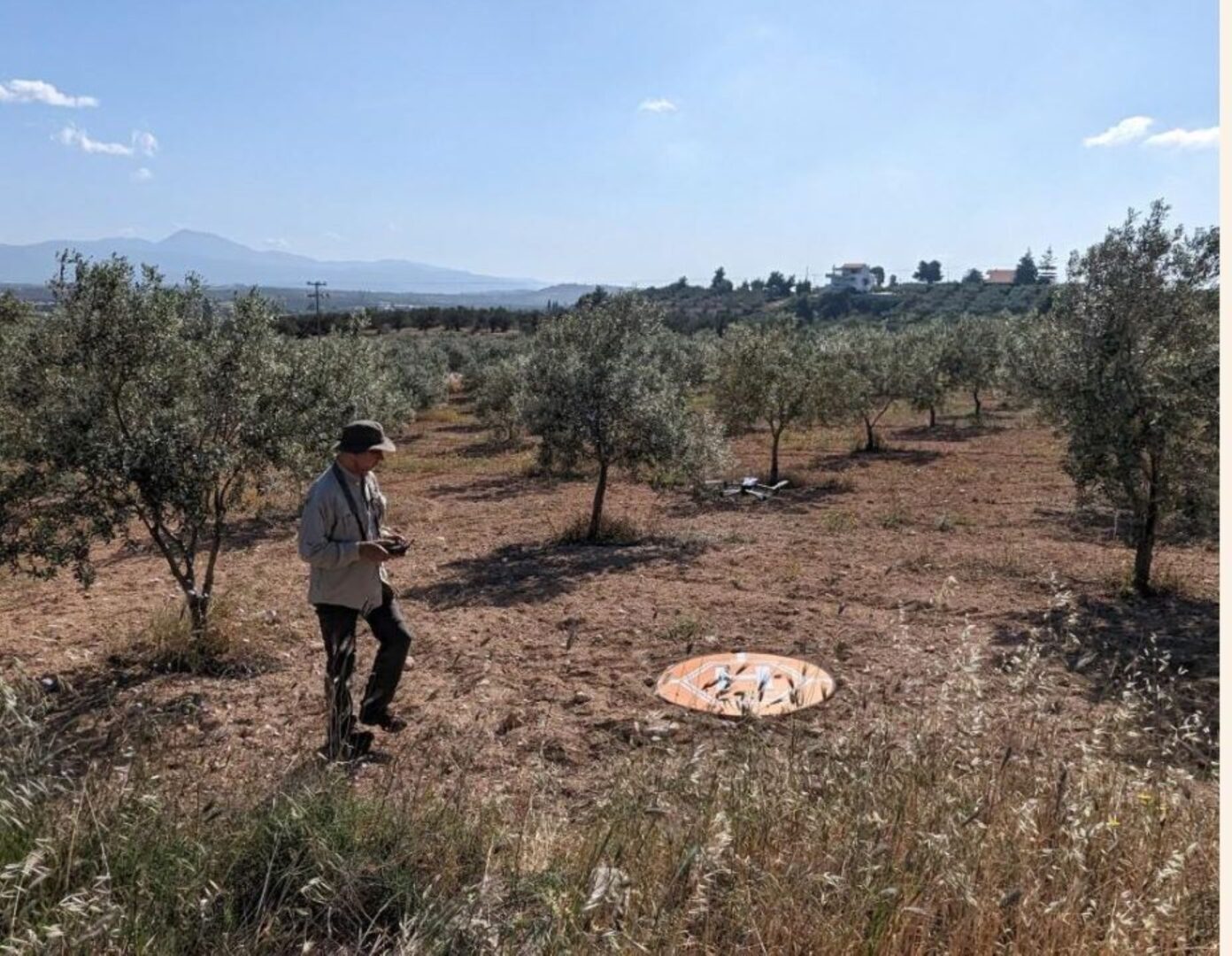
The modern rediscovery came through a combination of archival research and technology. Researchers analyzed historical documents and maps—including one drawn by French geographer Pierre Peytier—and aligned them with modern geographic data, drone photography and geographic information systems to pinpoint the site.
Students from the participating Central Pennsylvania universities also played a role in the project, contributing digital fieldwork that led to a documentary titled “Finding Washingtonia” and a series of interactive Story Maps called “The Lost Colony of Washingtonia.” The projects aim to make the discovery accessible to the public and highlight the historical connection between the United States and Greece.
The rediscovery sheds light on a little-known chapter of early American humanitarian efforts abroad and reveals how a short-lived experiment in refugee resettlement helped shape the region in the years following Greece’s independence.