
This week it was announced that Sony is to shut Bluepoint Games, the developer it acquired in 2021, then put to task on a God of War live-service game, which was ultimately canned after 5 years of development.
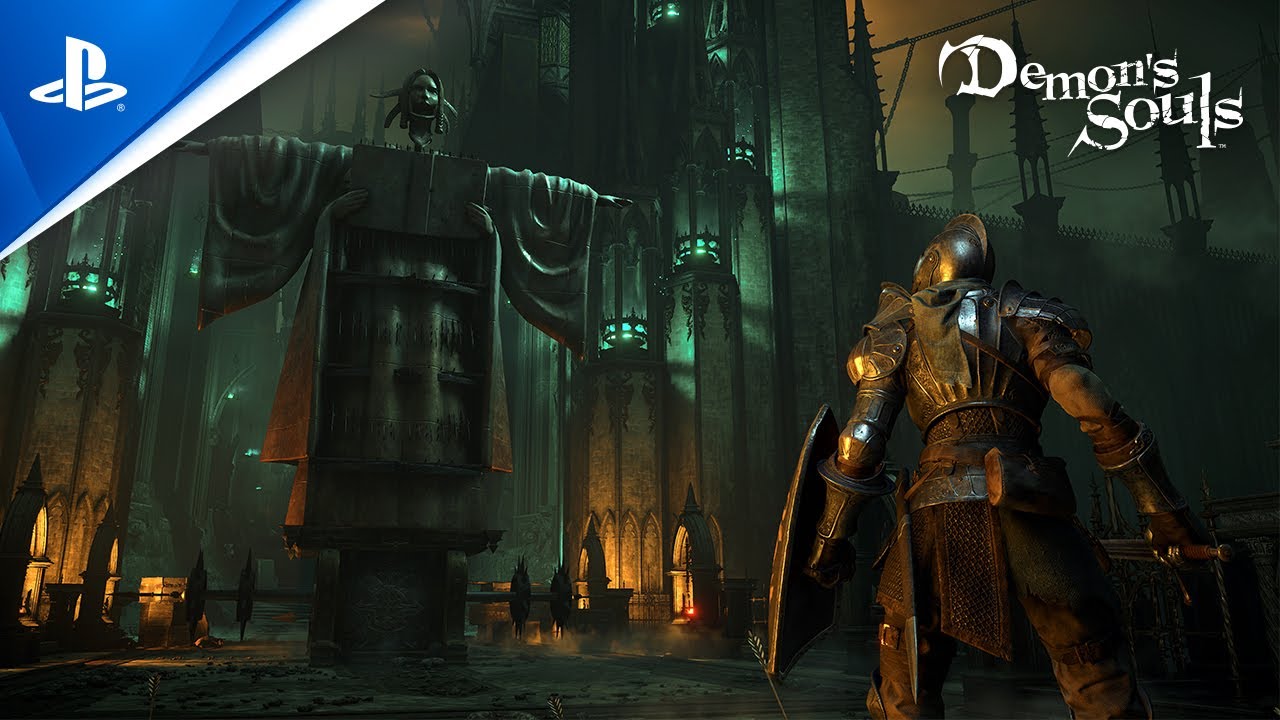
Which got me thinking: what gives? Well, that with additional expletives. Bluepoint is well-known for delivering what many call the best remake of all time, in Demon’s Souls, the 2009 FromSoftware classic brought back to life for the PlayStation 5.
That went on to sell close to 2 million copies, placing it in the PS5’s Top 20 list of best-sellers – ever. Fans have been calling out for a Bloodborne PS5 remake ever since, which Bluepoint would clearly be expert in delivering. But, no, Sony’s management decided to close the team down instead of using their expertise.
The wave of live-service games – think Fortnite, Minecraft, Roblox – has taken to dominate the gaming market. Big publishers like Sony are desperate to have their own equivalent, because it reels gamers in and keeps them there – indeed, the most-played PS5 and Xbox games of 2025 were the same as 2024 (per IGN’s report).
Single-player isn’t mere nostalgia
But it’s also oversaturated and the model can’t be endlessly applied to every new game. Many players, myself included, will dig into a story-driven game – submerging themselves into meaningful narratives, rather than just playing online – and this group can’t be ignored.
Single-player games are an art form to be cherished, not something to be forgotten for the sake of corporate number-chasing. Not every Oscar-nominated movie will make the most profit. Video games publishers ought to take note: there’s a balance point, an appreciation of creativity, not just a cash cow milking machine.
Classic single-player titles aren’t mere nostalgia either, they’ve defined a generation time and again. Whether that’s in Mario, Sonic, Zelda, Tomb Raider, Uncharted, Grand Theft Auto, Fallout, The Witcher, or so many more, these pillars are not just gaming staples, but part of wider culture.
They’ve borne sequels, spin-offs, cartoons, comics, magazine articles, TV shows, live-action movies, action-figures and beyond. These aren’t characters ground out of the AI meat machine; they’re meticulously crafted protagonists from creative minds – ones that resonate with people that, eventually, become their (often) life-long fans.
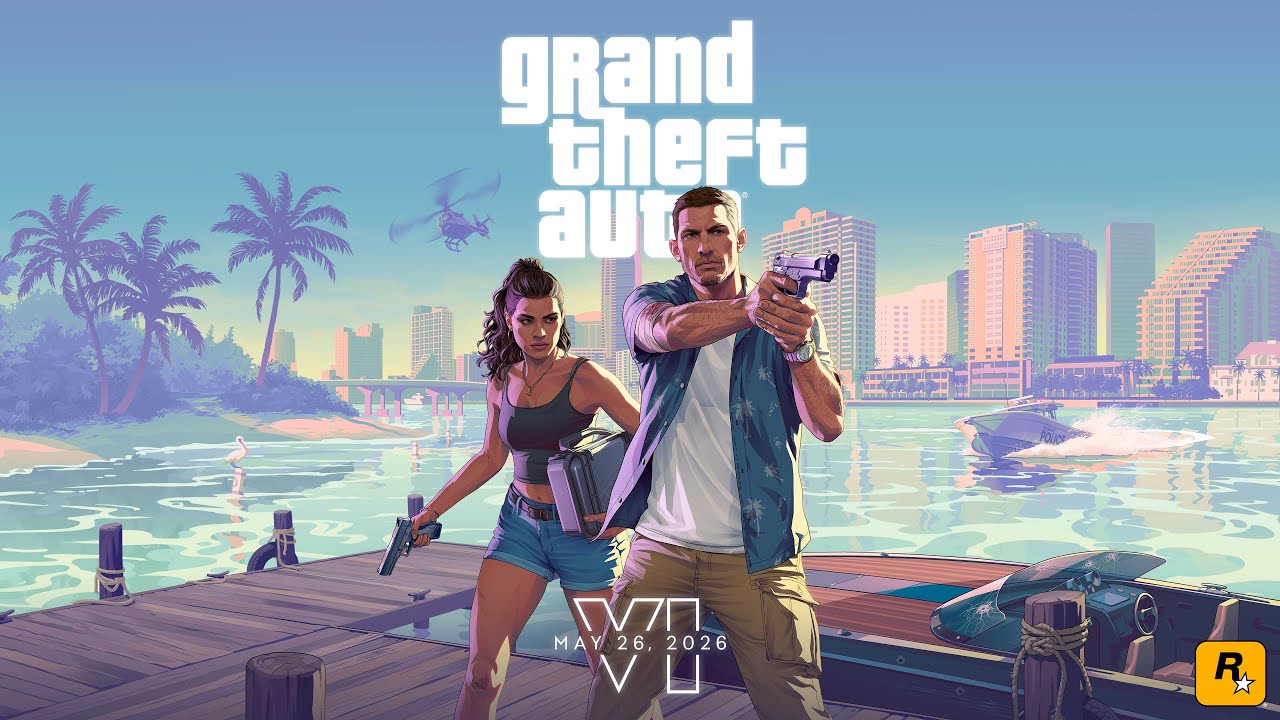
I, for one, want more of that. I’ve no doubt that Grand Theft Auto VI, as one example, will be a major success when it launches later this year. But I’m only buying it for the single-player game. I’ll be there for the characters, the wit, the entertainment factor.
Sure, the online aspect of GTA will likely be bigger from an hours-of-engagement and cash-making point of view, but that’s not what gets everyone through the door. And you’ve got to attract savvy gamers in the first place – because people are thoughtful in where to spend their cash.
Sales speak for themselves
I’ve no doubt, however, that cash does indeed have to be part of the equation. After all, the Competition Markets Authority (CMA) identified that a AAA title could cost upwards of $1-billion to make.
Creative businesses can thrive, though, it can’t all be nothing but corporate number-chasing. Many studios – save for the myriad which have been closed in recent years – have a strong core in delivering what gamers want.
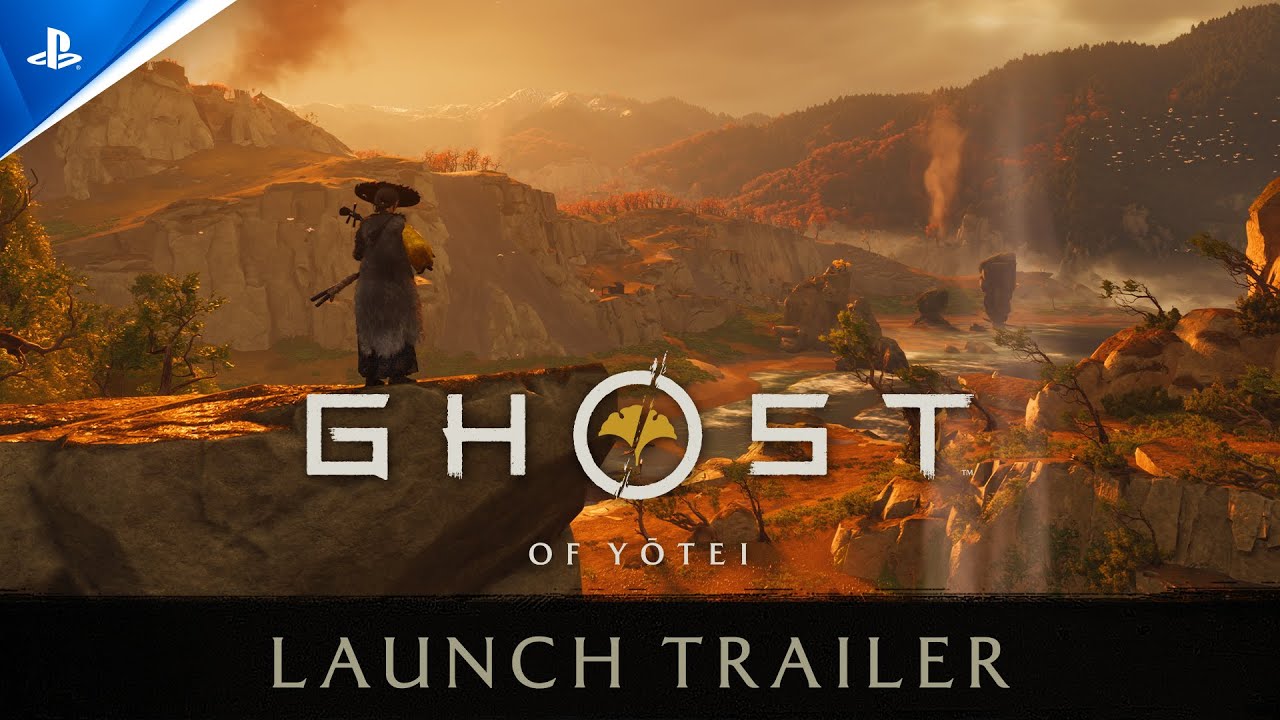
We saw many exceptional titles hit the shelves in recent years, too, from Ghost of Yōtei, Metroid Prime 4: Beyond, Death Stranding 2, Hollow Knight: Silksong, and Donkey Kong Bananza. There’s clearly an appetite for single-player games – and profit to be made from them too.
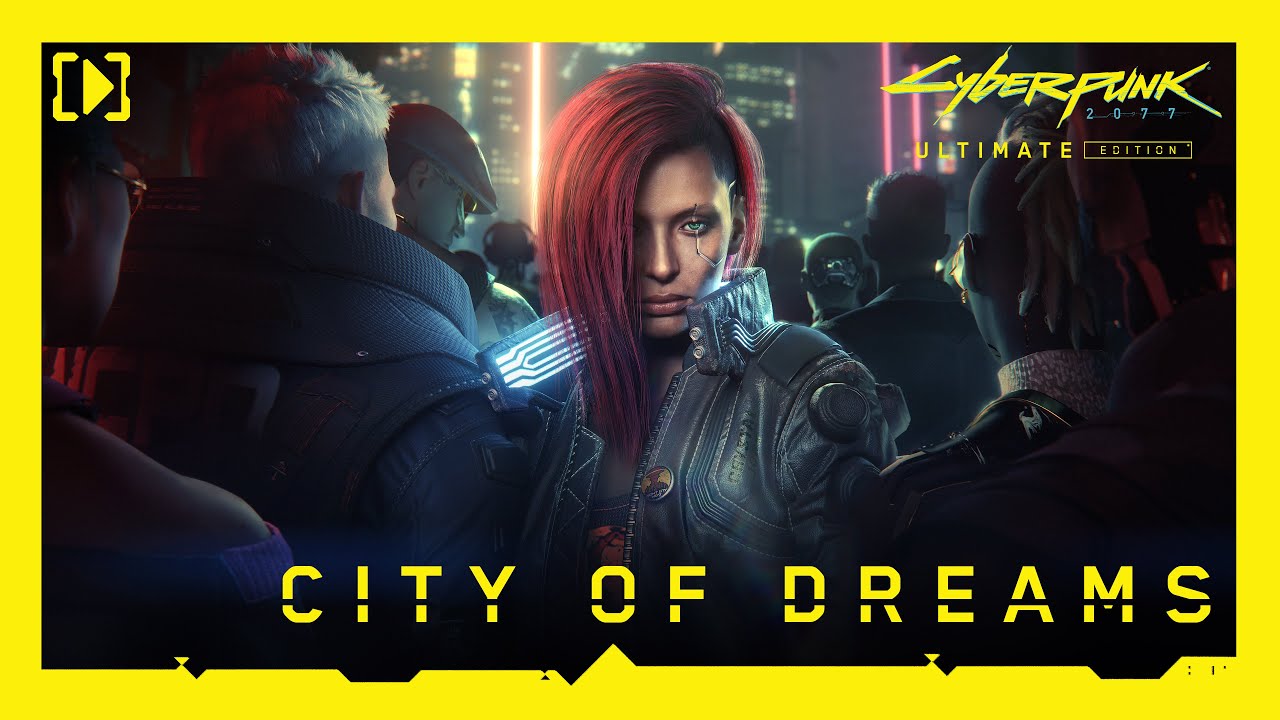
We’re fortunate to have bodies like BAFTA identify and award games for their creative endeavours. And with many titles from the last decade having entered the most-purchased charts of all time – from Cyberpunk 2077 to Zelda: Breath of the Wild, Hogwarts Legacy to Red Dead Redemption 2 – there’s clear strength in what’s being made by studios.
Multiplayer games are great, but let’s not let single-player titles fall by the wayside. In the age of AI, we need creative minds and endeavours more than ever – whether that’s in the games industry or other walks of life.