
We all have financial needs and goals, whether it’s dreaming of buying a new home, starting a business, or simply feeling more secure about your finances. No matter where you are on your financial journey, it’s never too early – or too late – to get started.
This Financial Literacy Month, Gail Taylor, Chase Community Manager in Detroit, shares ways to help strengthen your financial health journey—this month and all year round.
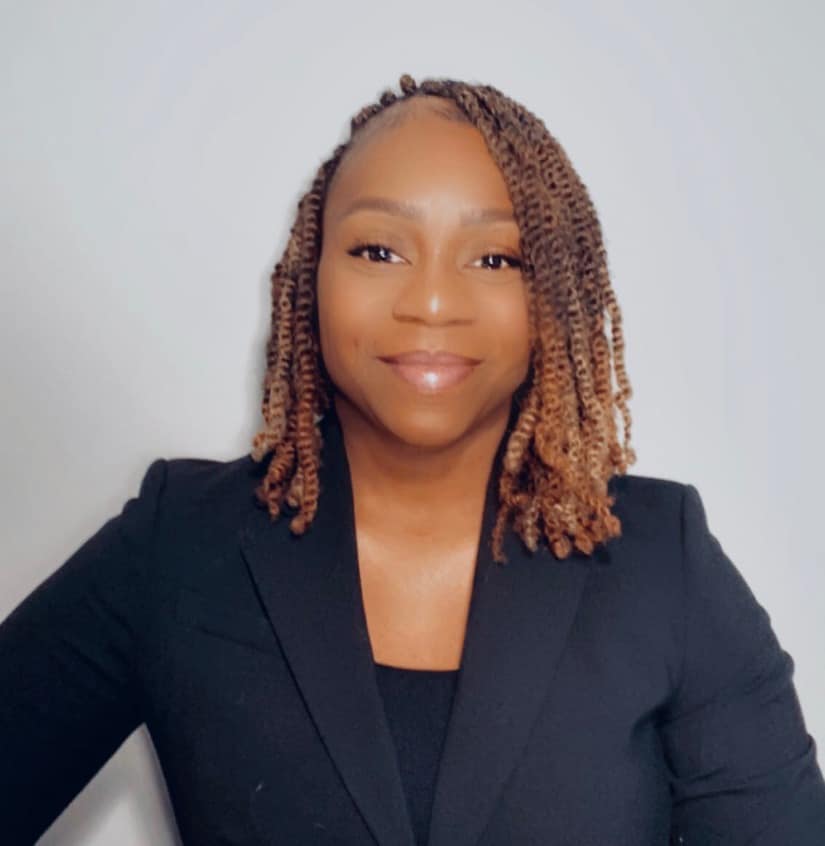
Q: Which areas should people focus on to improve their financial well-being?
A: To help strengthen any financial health journey, it’s important to focus on four key areas: earning, protecting, spending and saving. Earning is about understanding your income and how it supports your goals. Protecting your money involves keeping it safe from loss, theft and overspending. Spending wisely helps you stay on top of bills and make progress toward your goals. And saving—no matter how small the amount—sets you up for future needs and opportunities.
Q: If someone wants to strengthen their financial health, what are the first three steps you’d suggest they take?
A: Start by getting clear on your goals. What are you working toward, and why does it matter to you? Next, create a budget so you can see where your money is going and make a plan for saving. Then, review your budget regularly and make adjustments. Every month is different and life changes, but staying flexible and aware of your budget helps keep you on track towards your goals.
Q: Budgeting takes practice, and many people are still finding what works for them. What budgeting framework do you recommend, and how can someone personalize it so it feels manageable?
A: There’s no one-size-fits-all approach, but the key is to find a system you’ll actually use. There are plenty of apps and tools available to help you track of your spending each month and how that compares to the amount of money coming into your home. Once you have an idea of where your money is going, it’s easier to adjust your spending habits so you can save more.
Q: Saving for different goals—like emergencies, retirement or big purchases—can feel overwhelming. How do you help people prioritize and consistently stay on track?
A: I remind everyone that every dollar counts. Even a small amount saved from each paycheck adds up over time. I encourage you to set specific financial goals—such as building an emergency fund or saving up for a large purchase—and set a budget that supports those goals. If you fall short one month, don’t get discouraged. Give yourself grace, adjust as you go, and keep moving forward.
Q: With costs on the rise, what small, sustainable changes have you seen make a big impact?
A: When your budget reflects your priorities, you’re not just managing money—you’re empowering yourself to make confident financial decisions.
Consider automating your savings so it happens without you even thinking about it. Include transfers to savings in your budget, just like you would a bill. This way, you’ll be sure to put money away each month before it gets spent.
Watching your savings grow, no matter the amount, is a powerful way to build financial security and peace of mind.
The bottom line
You can take charge of your financial health by focusing on earning, spending, protecting, and saving money. Strengthening your financial health is a lifelong journey, and every step can help you feel more organized and confident as you work toward your goals. To learn more, stop by your local branch or visit chase.com/financialgoals.
For informational/educational purposes only: Views and strategies described in this article or provided via links may not be appropriate for everyone and are not intended as specific advice/recommendation for any business. Information has been obtained from sources believed to be reliable, but JPMorgan Chase & Co. or its affiliates and/or subsidiaries do not warrant its completeness or accuracy. The material is not intended to provide legal, tax, or financial advice or to indicate the availability or suitability of any JPMorgan Chase Bank, N.A. product or service. You should carefully consider your needs and objectives before making any decisions and consult the appropriate professional(s). Outlooks and past performance are not guarantees of future results. JPMorgan Chase & Co. and its affiliates are not responsible for, and do not provide or endorse third party products, services, or other content.
Deposit products provided by JPMorgan Chase Bank, N.A. Member FDIC. Equal Opportunity Lender.
© 2026 JPMorgan Chase & Co.