
The Lamat Institute at the University of California, Santa Cruz, is a cohort-based research program designed to advance astronomy and planetary sciences by mobilizing the talents of students from marginalized backgrounds through holistic mentoring, culturally responsive training, and intensive scientific inquiry.
Celebrating its 18th anniversary this year, Lamat is the focus of a recent review in Nature Astronomy that examines the program’s impact and documents three practices that strategically engage students’ strengths: tailoring the research experience to meet scholars where they are, raising consciousness about systemic barriers in STEM, and co-building culturally validating community spaces.
The UC Santa Cruz authors of the piece, psychology Ph.D. researcher Katherine Quinteros, psychology professor Rebecca Covarrubias, and astrophysicist and Lamat founder Enrico Ramirez-Ruiz, reflect on how intentionally designed learning environments can mobilize the wisdom, creativity, and cultural assets of new generations of scientists.
A program transformed through collaboration
Although Lamat began as an astronomy research internship, its identity shifted dramatically about 10 years ago through a collaboration with Covarrubias, whose work focuses on equity-centered learning and culturally responsive education. Together, they reimagined Lamat not only as a pipeline into research but as a space where students’ lived experiences, community values, and scientific training could be developed in partnership.
“Science does not happen in a vacuum,” Covarrubias said. “When we began working with Enrico, the goal was to think beyond technical training and ask what it really means for students to feel empowered, individually and collectively, as knowledge creators.”
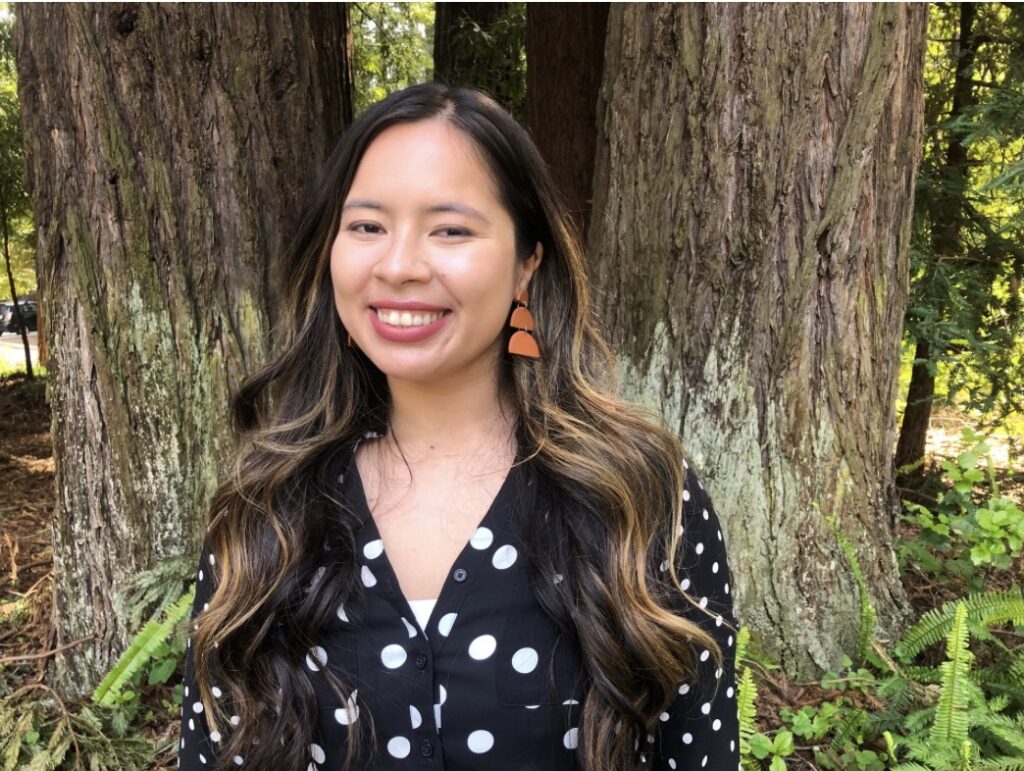
Quinteros has been integral to shaping that vision into practice. Over the years, she has helped design curriculum, mentoring structures, and research experiences that center students’ identities alongside scientific excellence.
“Lamat is not just a summer program,” Quinteros said. “It is a learning ecosystem. We intentionally design experiences that tell students that who they are, their histories, values, and ways of thinking, belong in science.”
Research grounded in community
Each year, Lamat admits about a dozen undergraduate students from across the country to participate in an intensive eight-week research program anchored in inquiry-based learning, with state-of-the-art astrophysical simulations as a shared foundation. Each cohort begins with a preparatory bootcamp at UC Santa Cruz, followed by a summer residency where students conduct original research while receiving structured academic, financial, and mentoring support. Lamat provides salaries, housing, and professional development.
Eighteen years in, the program’s impact is clear: More than 170 students have completed Lamat, all earning bachelor’s degrees in STEM fields, and about 80 percent have continued to graduate school. Nationally, of the roughly 300 students who earn Ph.D.s in astronomy each year, only about 11 come from marginalized communities—and nearly half of those have participated in Lamat.
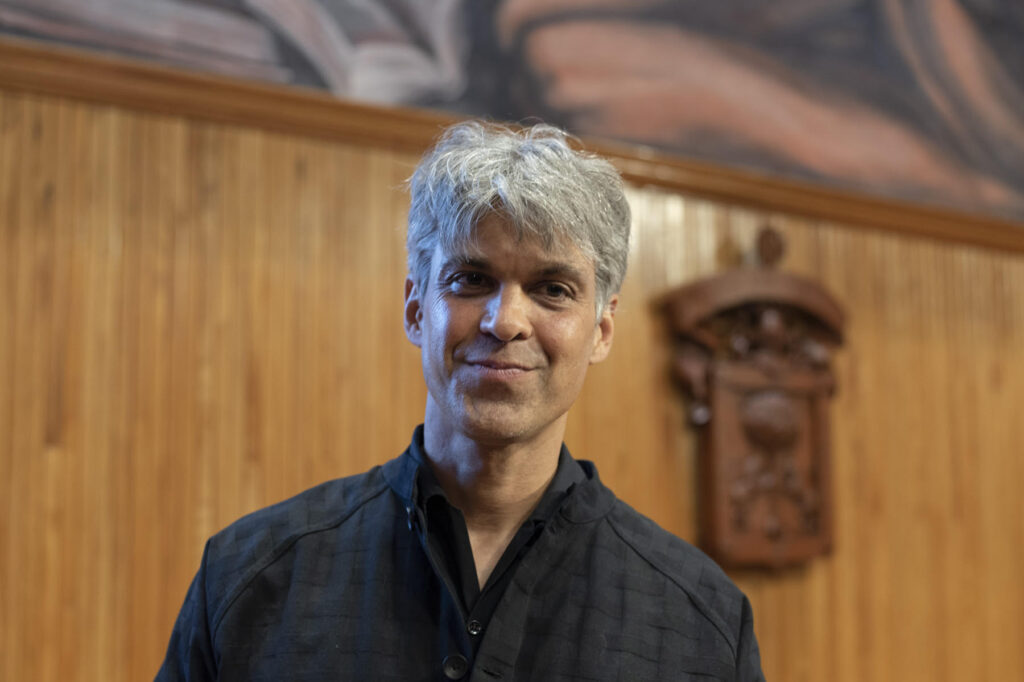
“At first, the motivation was about opening doors, providing access to research and mentorship,” said Ramirez-Ruiz, professor of astronomy and astrophysics. “But over the last decade, something powerful happened. When you intentionally create spaces where students feel intellectually safe, culturally validated, and genuinely partnered in discovery, the science itself changes.”
The initiative’s success in expanding research mentoring was recognized at the national level when Ramirez‑Ruiz received the Presidential Award for Excellence in Science, Mathematics, and Engineering Mentoring from the White House in 2022.
Mobilizing student strengths
Rather than asking students to adapt to rigid academic cultures, Lamat adapts to its scholars.
“Lamat demonstrates meeting students’ needs at multiple levels,” Quinteros said. “From providing financial support, to helping students understand and navigate systemic barriers, to forming a community rooted in culturally validating practices. Altogether, these signal that students’ cultural backgrounds, strengths, and dreams are valued and wanted.”
She emphasized that belonging is central to scientific identity—students come seeking a space where they feel seen.
“We de-center traditional views of STEM that prioritize individualism and productivity alone, and instead offer ways to engage in science that are community-based and attentive to well-being,” Quinteros said. “When students are shown they are valuable just as they are, they develop scientific identities that feel authentic.”

Covarrubias added that equity-centered research experiences require institutional commitment.
“One key challenge is building well-resourced, high-impact research at scale that is intentionally designed with equity in mind,” she said. “Programs like Lamat show how universities can invest in environments that empower students to lead their learning, tackle real-world problems, and produce knowledge that expands both science and society.”
A model for the future of STEM
Lamat’s framework is grounded in evidence but shaped through partnership with its scholars.
“Supporting students means first understanding who they are and what strengths they bring,” Covarrubias said. “It requires creating culturally validating communities, surfacing and rewriting hidden rules, and reimagining success narratives alongside students. When programs integrate these principles, they do not just support students, they transform academic culture.”
For Ramirez-Ruiz, that transformation has always been about reshaping science itself.
“Some of the most creative minds I have met were students whose lived experiences were invisible in traditional research spaces,” he said. “Their ways of thinking strengthen science. Lamat was built not to ask students to assimilate, but to help shape discovery itself.”
Looking ahead, the team sees Lamat as a model for institutions nationwide.
“Lamat shows what is possible when excellence and equity work together,” Ramirez-Ruiz said. “When more voices shape discovery, science becomes richer, deeper, and more creative.”