
Casey Chong with a selection of 80s buddy movies for your watch list…
The 1980s were a defining era for buddy movies, beginning with the granddaddy of the modern action comedy 48 Hrs. in 1982, bringing in Nick Nolte’s grizzled cop role and then-newcomer Eddie Murphy’s motormouthed and street-smart convict. Murphy’s career then skyrocketed in Beverly Hills Cop, as he teamed up with Judge Reinhold and John Ashton, resulting in one of the most commercially successful action comedies ever made. Then came 1987, as director Richard Donner gave Mel Gibson and Danny Glover two of their most iconic roles as two mismatched LAPD sergeants in Lethal Weapon. Beyond these highly popular titles, some of the buddy movies during the ‘80s were either unfairly maligned, ignored, or have unfairly faded into the background in the ensuing years. With that in mind, here’s a curated list of entertaining
Murphy’s Law (1986)
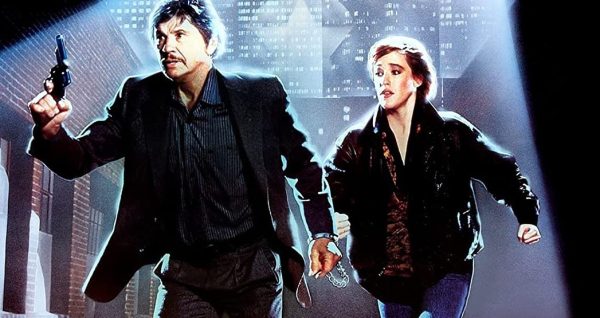
Charles Bronson’s stoic, no-nonsense personality matches well with Kathleen Wilhoite’s feisty supporting character in Murphy’s Law. The story is a classic mismatched buddy-movie setup: Bronson plays a gruff, alcoholic cop who finds himself being framed for the murder of his ex-wife and her boyfriend, forcing him to take the matter into his own hands. And that is, breaking out of jail and unwittingly dragging the petty thief Arabella McGee (Kathleen Wilhoite) along since they are both handcuffed together.
Wilhoite’s acid-tongued and foul-mouthed character brings a spunky edge to her role, even to the point of stealing the show, giving the otherwise grim action movie an added levity. Veteran director J. Lee Thompson, who directed Charles Bronson in several movies from St. Ives to 10 to Midnight, effectively combines the entertaining buddy-movie trope with elements of a serial-killer thriller and gritty urban Los Angeles-set drama.
Turner & Hooch (1989)
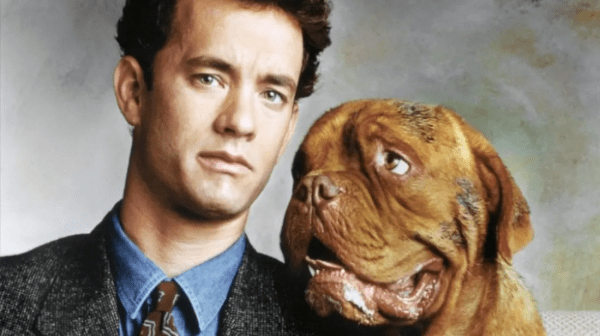
Between Tom Hanks’ earlier breakthrough in Big and his dramatic shift to Oscar-winning roles seen in Philadelphia and Forrest Gump, it’s easy to forget there was a time he teamed up with a dog. A French Mastiff, to be exact, in Turner & Hooch. The movie was released in the same year as James Belushi’s K-9, which is arguably the better film, with an effective combination of propulsive action and man-and-dog comedy.
But Turner & Hooch has its own charm, thanks to Hanks’ hilariously deadpan and game performance for elevating the otherwise typical action comedy about a reluctant cop forcing himself to get along with a stubborn dog. The story spends most of its time investing in Hanks’ police investigator character, trying to tame and make friends with Hooch, resulting in a funny and heartwarming chemistry between the two.
Director Roger Spottiswoode brings the right balance of comedy, drama and high-stakes scenario into Turner & Hooch, and the latter is especially true during the third act. The climax also sees Spottiswoode, working from a screenplay written by five (!) writers, even go as far as incorporating a surprisingly emotional and dramatic weight without turning it into an exploitative fare.
Spies Like Us (1985)
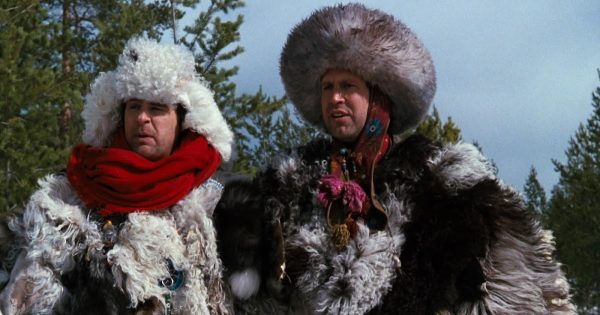
Spies Like Us brings together Chevy Chase and Dan Aykroyd, among two of the biggest comedians at the time. Directed by John Landis, the story takes a hilarious stab at the Cold War and nuclear paranoia, boasting the misadventures of two rookie U.S. intelligence agents (Chase’s Emmett Fitz-Hume and Aykroyd’s Austin Millbarge) being sent as decoys for the actual agents during a mission somewhere in Pakistan. Except that these two bumbling fools don’t know about it, and that’s the fun part of the movie.
This also allows Chase and Aykroyd to stretch their comedic flair with the right amount of silliness and witty repertoire, as we see them constantly improvising in whatever ordeals they have to go through. And not to mention, their onscreen buddy-movie chemistry, where the two play off each other well. Credit also goes to Landis, whose lively direction brings enough comic energy with a mix of broad satire and outright spy-thriller parody to the subject matter.
Feds (1988)
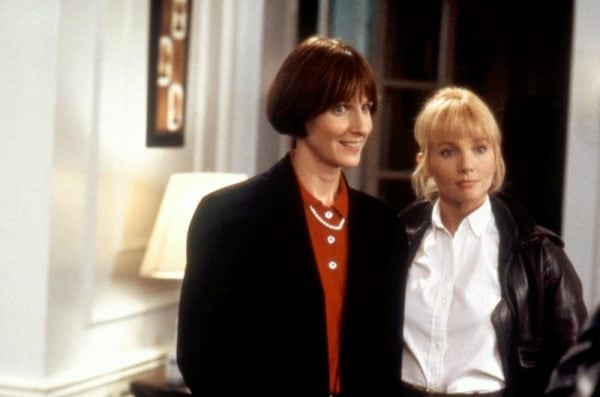
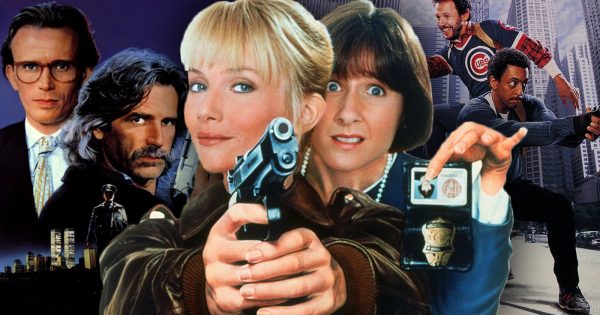
The 80s era was a different time, unlike today’s generation, when it comes to releasing a female-centric studio movie. This is especially true with the buddy-movie genre, where testosterone-fueled fare still dominated back in the day. But director and co-writer Dan Goldberg, best known for writing Ivan Reitman-helmed comedies such as Meatballs and Stripes, breaks the formula by making Rebecca De Mornay and Mary Gross co-leads in Feds. The result? The movie was unsurprisingly buried and largely forgotten in the time when popular buddy movies like Midnight Run and Red Heat stole most of the thunder.
Looking back at Feds in the contemporary lens, the movie deserves better than its reputation originally perceived. De Mornay and Gross are a classic, mismatched pairing: One’s a tough former Marine with a nifty physical skill, while the other is more academic and intellectual. Their contrasting personalities are the highlight here, thanks to the two actresses’ undeniable onscreen chemistry. Kudos also go to Goldberg for navigating De Mornay and Gross’s characters not as caricatures, but as flawed and relatable characters, where we see these two FBI recruits working together to overcome obstacles and pass their training, despite being regularly dismissed and ridiculed by their male counterparts.
Shakedown (1988)
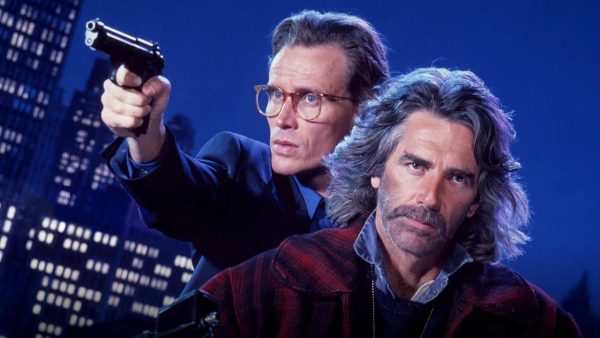
Shakedown sees directo James Glickenhaus take on a buddy-movie genre, something that he did before in the Jackie Chan-starred The Protector. But that movie felt like a lesser Jackie Chan movie, where the Hong Kong action star tried but failed to break into the American market at the time, and Glickenhaus feels more at home in this lesser-known effort, blending an urban thriller in a gritty action/buddy-movie hybrid.
The story pairs Peter Weller’s lofty public defender with Sam Elliott’s world-weary narcotics detective, both with different personalities, making their odd pairing essential to the buddy-movie genre. Glickenhaus, who also wrote the screenplay, delves deep into his story with a cynical look at the police corruption and shady dealing beyond the genre convention. The action delivers enough spectacle, mixing street-level grit and spectacular Hollywood stunts. And you have to give it to Glickenhaus for directing the hell out of them, notably the thrilling motorcycle chase and a climactic finale, where Elliott’s character leaps onto a plane’s landing gear from a car in the midst of a take-off.
City Heat (1984)
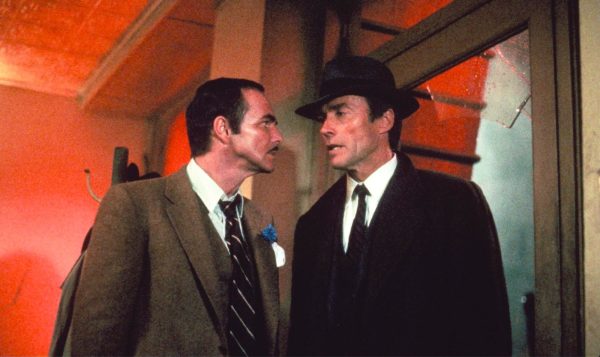
Once upon a time, the idea of pairing Clint Eastwood and Burt Reynolds – among two of the cinema’s box-office draws – would bring in the moolah. But City Heat didn’t perform as well as expected. The movie is admittedly uneven, as it attempts to blend the 1930s Prohibition-era crime drama with a buddy-movie angle and a gritty action thriller. The first half is particularly plodding as if director Richard Benjamin, marking his third feature after My Favorite Year and Racing with the Moon, has a hard time trying to establish a tone.
But one thing is for sure, the movie remains watchable, thanks to the odd pairing of Eastwood’s no-nonsense cop and Reynolds’ wisecracking private detective as Lieutenant Speer and Mike Murphy. Their combination of deadpan and witty banter can be seen right from the get-go during the opening stretch in a diner. The $25 million budget is well-spent on the production and technical values, beginning with the old-school, lovingly nostalgic 1930s setting and the attention to period detail. City Heat improves considerably during the second half, culminating in a thrilling, all-hell-breaks-loose finale with guns a-blazing both literally and figuratively.
Running Scared (1986)
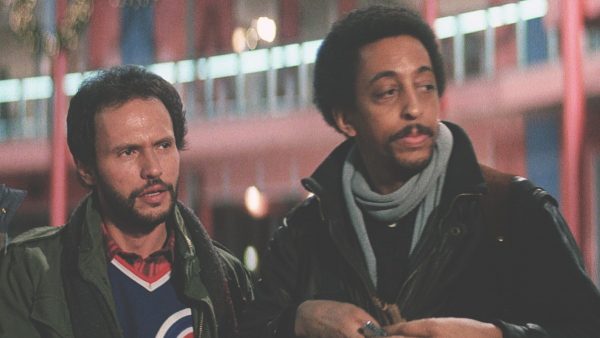
Billy Crystal’s career trajectory is pretty much overshadowed by his string of romantic comedies, where he becomes so synonymous with the genre. Until one might easily forget he used to appear in an action comedy. The word “action” feels uncharacteristically odd for someone like Billy Crystal, but back in 1986, his pairing with Gregory Hines as two Chicago cops prone to using unconventional methods to solve cases happens to be a real deal in Running Scared. Frankly, it would be nice to see more from Crystal in the action-comedy mode during his younger days, since he and Hines are the reason that elevates this movie. This includes their effortless charisma and wisecracking antics, which mostly hit the spot.
Peter Hyams demonstrates a good eye for turning the Chicago location into a lived-in, working-class atmosphere with a mix of grit and urban decay while balancing them with enough humor and energy. Speaking of the latter, Hyams delivers two of the best action set pieces in Running Scared: a car chase through the city of Chicago before it ends on the elevated subway tracks, and the climactic shootout finale within the large confines of a high-rise building.
What are your favourite 80s buddy movies? Which deserve a spot on this list? Let us know on our socials @FlickeringMyth…
Casey Chong