
For quite some time, certain luxury fashion houses have quietly resisted the ideals of being “flawless,” “overly refined,” “pristine” and “immaculate.” There has always been a countercurrent in fashion – one that challenges this obsession with perfection. People have grown tired of striving to look like polished dolls, of constantly appearing impeccable and of the unspoken rule that style must revolve around a narrow set of luxury brands.
The repetition has been exhausting: the same poses, the same handbags, identical hairstyles, identical makeup looks flooding social media. It created a uniformity that felt more artificial than aspirational. In response, some designers had already begun embracing the opposite – introducing “imperfect,” “ordinary” and “everyday” pieces into their collections.
Dirty sneakers, torn T-shirts
Naturally, this shift was met with skepticism and even ridicule. Critics questioned who would pay high prices for a torn sweatshirt, scuffed sneakers or a wrinkled shirt. Yet even this backlash helped disrupt long-standing norms and pushed the fashion world to rethink its direction.
The fatigue surrounding perfection has become a source of inspiration. The idealized lives, those lived by a tiny fraction of the global population, featuring perfectly curated relationships, families and appearances, began to feel distant and unattainable. For most people, these “perfect” figures remained fictional heroes rather than relatable role models.
As a result, fashion’s long-standing detachment from real life started to feel outdated, overly staged and uninspiring. It’s no coincidence that younger generations – many not yet in their mid-30s – have increasingly turned to vintage and second-hand fashion. This shift is, in part, a reaction against the pressure to appear perfect.
Aesthetic of exhaustion
So what changed?
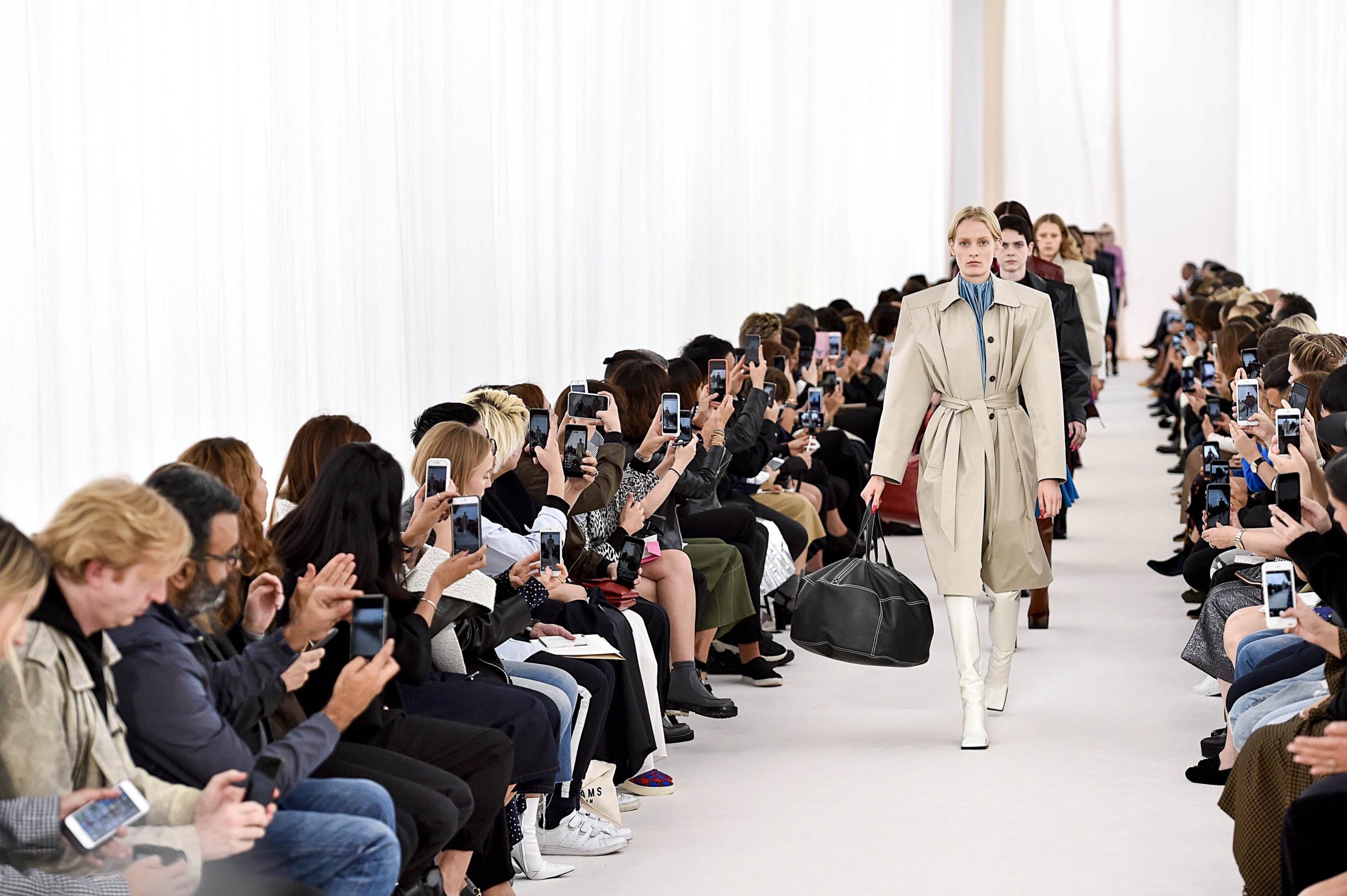
The fashion world began embracing reality, welcoming everyday women as its new source of inspiration. Wrinkled shirts, slipping straps, oversized trousers, open handbags and mismatched accessories became part of the aesthetic. These weren’t flaws anymore; they were expressions of authenticity.
This look has been dubbed “effortless disarray,” “messy girl” or even “exhausted chic” on social media. Once top luxury brands adopted and showcased these styles on runways, public perception began to shift. When even the most prestigious labels introduced deliberately worn, creased or vintage-inspired pieces, what was once mocked became desirable.
Vintage as inspiration
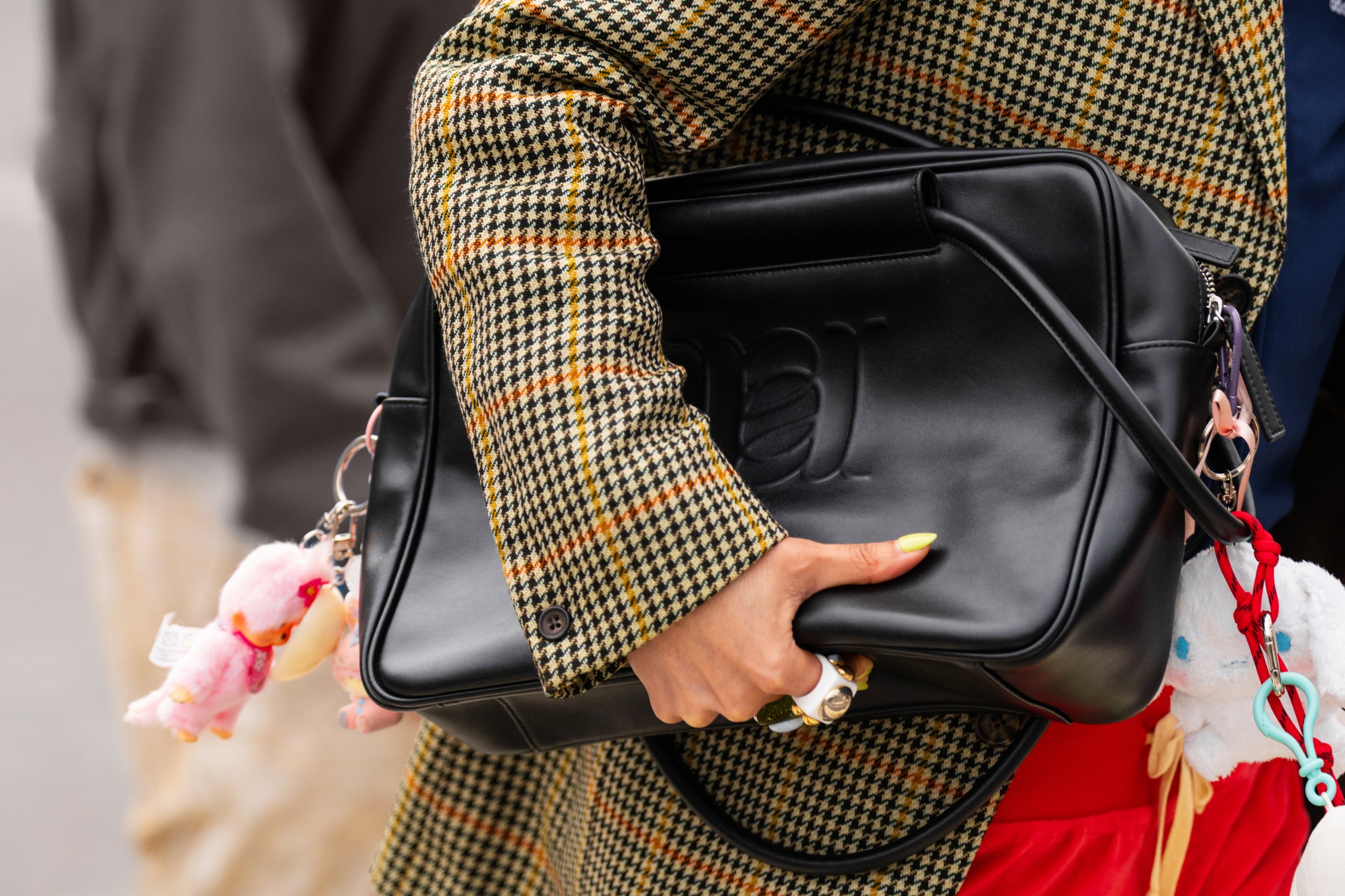
It’s no coincidence that runway shows now feature worn-looking bags adorned with eclectic, mismatched charms or outfits layered in seemingly chaotic ways – T-shirts over blouses, under sweaters, paired with jackets in combinations that defy traditional styling rules.
This movement has grown beyond fashion shows. Younger generations are actively rejecting imposed standards of beauty and perfection by sharing raw, unpolished and imperfect content on social media.
Creative consultant Anne Valois summarizes this shift well: the overly curated world where everything is tagged, polished and presented as perfect has lost its authenticity. People are voicing their dissatisfaction, and their everyday choices in clothing and self-expression are now shaping the direction of fashion itself.
Time to be yourself
Wrinkled shirts, worn-out sneakers, battered bags, colorful yet mismatched accessories, layered outfits, cuffed jeans and asymmetrical jewelry have taken center stage. But this trend comes with an important condition: It cannot be replicated through imitation.
To truly embody this style, individuality is essential.
Pair your old high school jacket with new jeans. Cut the hems yourself. Throw an oversized shirt over a loose white t-shirt. Tie a sweater around your waist. Let your hair fall naturally, imperfectly.
Wearing a full outfit from a single brand is now outdated. Perfectly coordinated looks are outdated. Chasing every trend is outdated. Overloading on products or hiding behind heavy makeup is outdated.
So what is in style?
Being real. Being sincere. Being yourself. Owning your history, your choices and your individuality.
That is what fashion looks like now.
