

 BBC
BBCWomen working as DJs in Wales say concerns over safety, harassment and sexual assault are a routine part of their jobs.
Some say they have been stalked, assaulted or intimidated while working in clubs and at festivals.
“I’ve had men grab me and force me to kiss them,” said DJ and broadcaster Katie Owen.
“One man followed me off the bus late at night, ran behind me to my front door and tried to get in after me… I felt extremely vulnerable.”
Many women said they now avoided late-night gigs, changed how they travel home or had considered leaving the industry altogether, while several DJs contacted by the BBC declined to speak publicly as their experiences had been too difficult to revisit.
They are calling for urgent action from venues, promoters and security teams to make the industry safer and more equal.
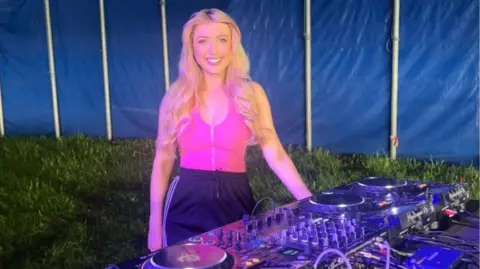 Katie Owen
Ms Owen who grew up in Merthyr Tydfil and Pontyclun, Rhondda Cynon Taf, said fear had become something she plans her life around.
She has been DJing for eight years and her career includes presenting on BBC Radio 1, performing on the main stage at Reading and Leeds Festival and touring with Kasabian.
But she says those career highs have been accompanied by repeated harassment and abuse.
“I’ve had comments like, ‘you’ve only got this gig because you’re sleeping with the promoter’,” she said.
“That kind of harassment is deemed more acceptable to say to women. You wouldn’t hear it said about a male DJ.”
Ms Owen said, at one point, the situation became so serious she stopped promoting her gigs online altogether.
“I had a stalker who would turn up to my sets,” she added.
“I’d feel sick behind the decks because I didn’t know if they were in the room. You’re stuck there, performing, while feeling watched.”
She said that, since the Covid pandemic, she has become far more selective about the work she accepts.
“I won’t do gigs that finish after 01:00 now unless I can get a taxi home,” she said.
“But we shouldn’t have to pay to get home safely just because we’re women. We should be able to take the night bus without being harassed or followed.”
‘It’s definitely harder for women’
DJ Esyllt Williams, who has worked in nightclubs across Wales, Bristol and London for more than 20 years, says inequality has followed her throughout her career.
“It is definitely harder for women,” she said.
“There’s a lot of prejudice. People treat you differently, it’s harder to get gigs and harder to get taken seriously.”
Ms Williams said she was frequently questioned about whether she was “really the DJ”, even when she was clearly performing.
“I’m wearing the headphones and I’m the only person there, [but] they’ll talk to men standing nearby instead, ask them about the music, congratulate them.”
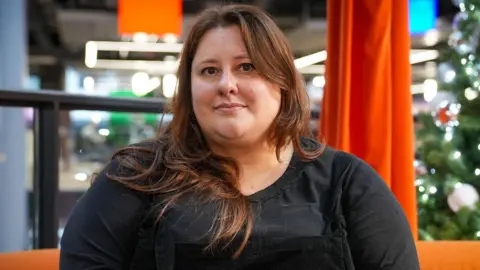
Ms Williams added audiences often feel entitled to invade her space.
“People think they have the right to tell you how to do your job,” she said.
“They try to come into the booth, touch the equipment, touch you. They stand too close. It can feel intimidating and unsafe.”
She described one incident in which a drunken man became violent after she stopped him touching the decks.
“He grabbed my hands and slammed them against the glass,” she said.
“He wouldn’t let go, and my hands swelled up so badly I couldn’t even hold a pen the next day.
“Bouncers eventually removed him, but afterwards nothing really happened. Everyone just carried on.”
Ms Williams added that safety concerns often extended beyond the venue itself.
“I’ve been followed to my car, followed to taxis,” she said.
“These are things male DJs often don’t even have to think about.”
‘You build defence mechanisms just to cope’
Radio presenter and club DJ Molly Palmer said intimidation and abuse had been recurring features of her working life.
“I’ve had men shouting at me, throwing things at me,” she said.
“I’ve had people come up constantly, looking at my equipment, trying to intimidate me, telling me I don’t know what I’m doing.”
She added: “I’ve been doing this for a long time. I know plenty of male DJs who don’t have to deal with this at all.”
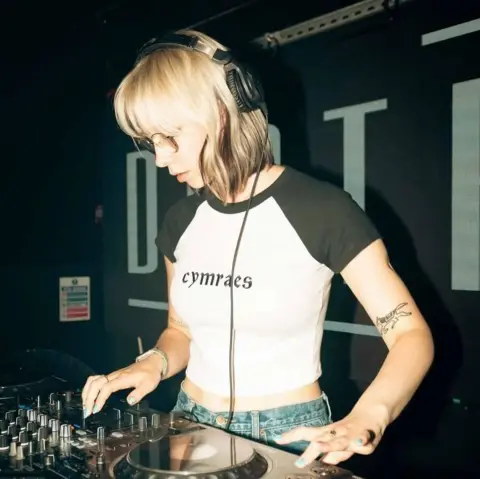 Molly Palmer
Ms Palmer said the impact went beyond individual incidents, adding: “You build defence mechanisms just to get through work.
“That’s something my male counterparts simply don’t have to do.”
She also pointed to a lack of diversity on festival line-ups in Wales.
“You often see the same small number of women booked again and again. It raises questions about where the opportunities are, and where women, non-binary and trans people are being supported to learn and progress,” she said.
“It’s not right that women go to work knowing they’re likely to face verbal or sexual abuse.
“Security teams need better training to recognise what’s happening and step in.”
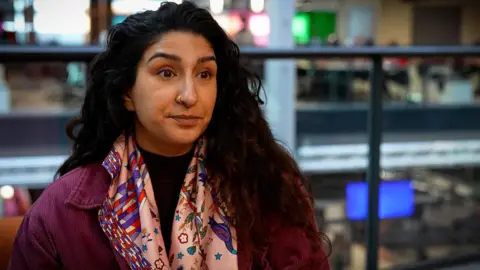
Campaigner Trishna Singh-Davies, who founded Ladies of Rage support group to offer a safe space for women to DJ, learn and train, says the aim is to tackle inequality at its root.
“The work we’re doing is about changing the industry so that when my three-month-old baby is 21, she’ll see the music industry as a level playing field,” she said.
“She shouldn’t have to experience sexism in her workplace. This is not a space for men only – it’s for anyone with the skill, talent and passion.”
BBC Wales contacted organisations in Wales to ask what measures were in place to protect female performers, but no responses were received.