
In conversations with Greek Australian friends and acquaintances on the topic of Greece’s weather and its ensuing four seasons, I notice a common theme. They almost unanimously claim liking Greek weather’s almost precise seasonal delineations, or as many have put it: “You know when it’s winter, because Winter is Winter, and Spring is Spring…” etc.
Not all of these people are from Melbourne, with its four seasons in one day jibes and often reality! Sydney seems to be not far behind with Perth, I hear, being the closest to a Mediterranean climate in Australia.
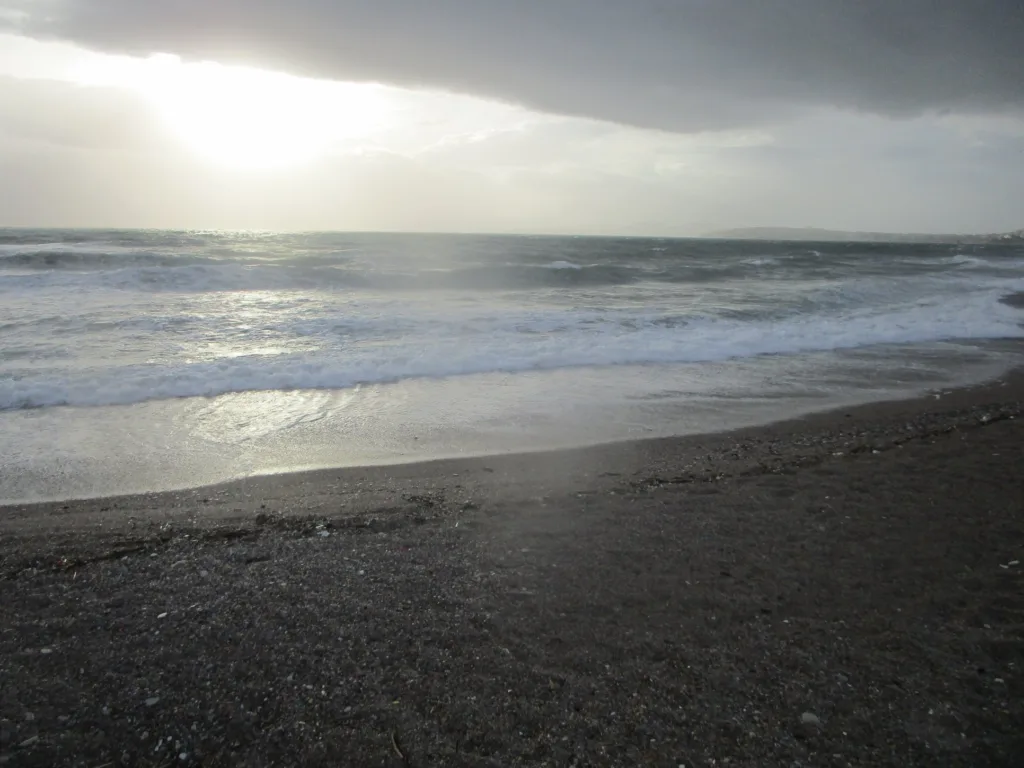
So, according to general consensus, winter in Greece is winter! Of course, it doesn’t resemble Norwegian or even English winters because here in Greece we do get quite a few days of sun apart from the Halcyon Days, but it does get cold, bone chillingly so.
The winter cold in Greece often continuing through March, has given rise to a popular folk saying, “Μάρτης, γδάρτης και κακός παλουκοκάφτης” – Martis gdartis kai kakos paloukothraftis.” Its English translation (on an online search), “March, skin-stripper/flayer, and bad stake-burner” conjures up rather heavy imagery! It denotes March’s end of winter cold being tough, while the “bad stake burner” part refers to scavenging wood pieces other than the used-up, main winter firewood stockpile.
Anecdotes mention resorting to burning wood, even from fences for heat in the often surprising and stubborn winter chill of this month on the verge of, or in early spring.
I love Greece in winter, but I can personally attest that unlike Australian winters, here it is bone chilling weather. Apart from being cold, it’s also invigorating and imbued with cosiness potential (which the Danish call hygge).
But what I also really appreciate here in winter is a kind of cultural uniformity that it brings out. This means the end of tourist season, of more peace and quiet out in the streets, of rituals like laying out our winter carpets and mats in our homes (for cleaning and storing away at the end of winter again).
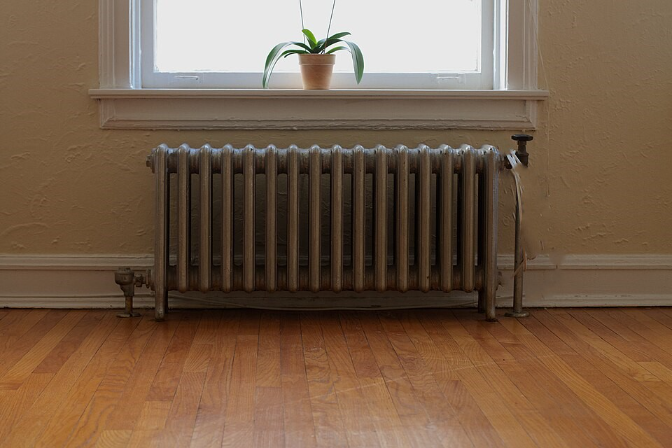
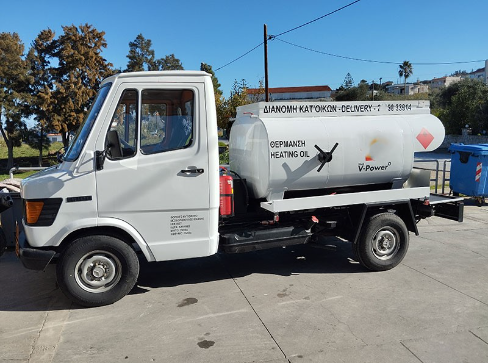
Features like fireplaces are certainly an atmospheric bonus here in terms of winter ambiance. The rest of us who aren’t fortunate enough to have a fireplace use radiators (kalorifers) which run on petrol/oil delivered by small trucks appearing in the streets heralding the arrival of winter. Times are changing though, because many radiators are now gas run, while many opt for air-conditioner heating.
The depressing rise of fuel prices here are hard to ignore, but many of us get our winter buzz when our seriously warm clothes make an appearance: Coats, scarves, beanies, boots, etc, make for a pleasant wardrobe change from the light, flimsy garments of summer.
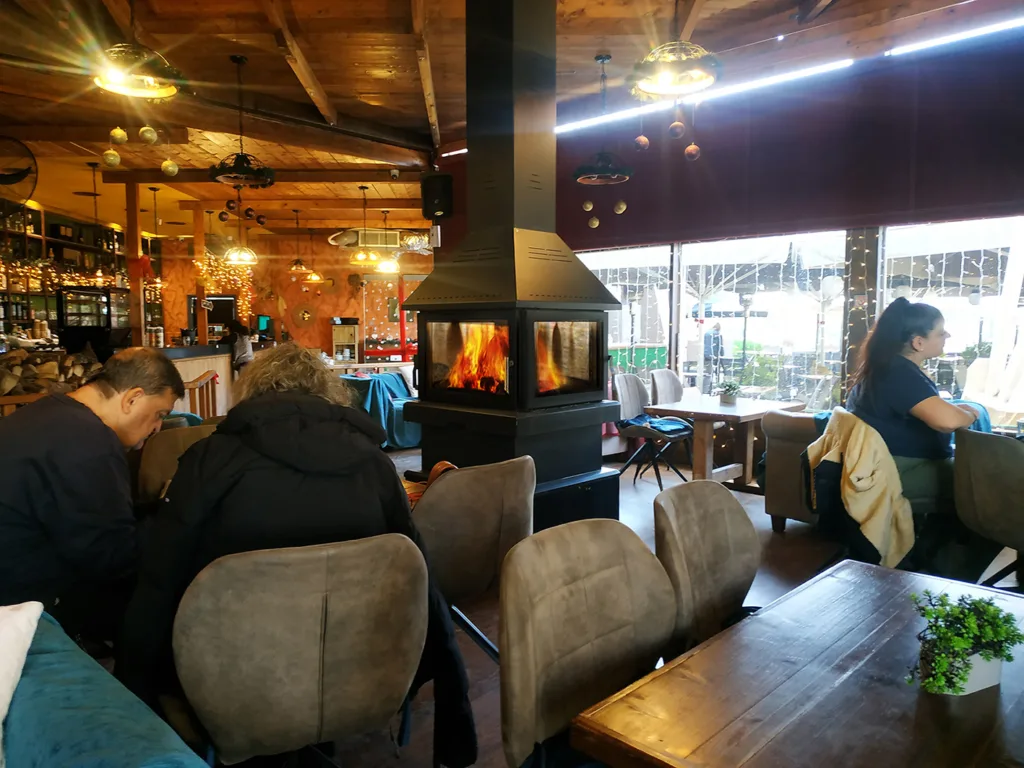
Of course going out socially in winter is still a thing, but in my 30 years here I’ve observed more home deliveries – of pizzas and souvlaki, as well as watching TV series becoming prominent winter eve pastimes. I guess this is mainly due to the expensive cost of going out, but indoor cafes do well, as do tavernas especially those with fireplaces.
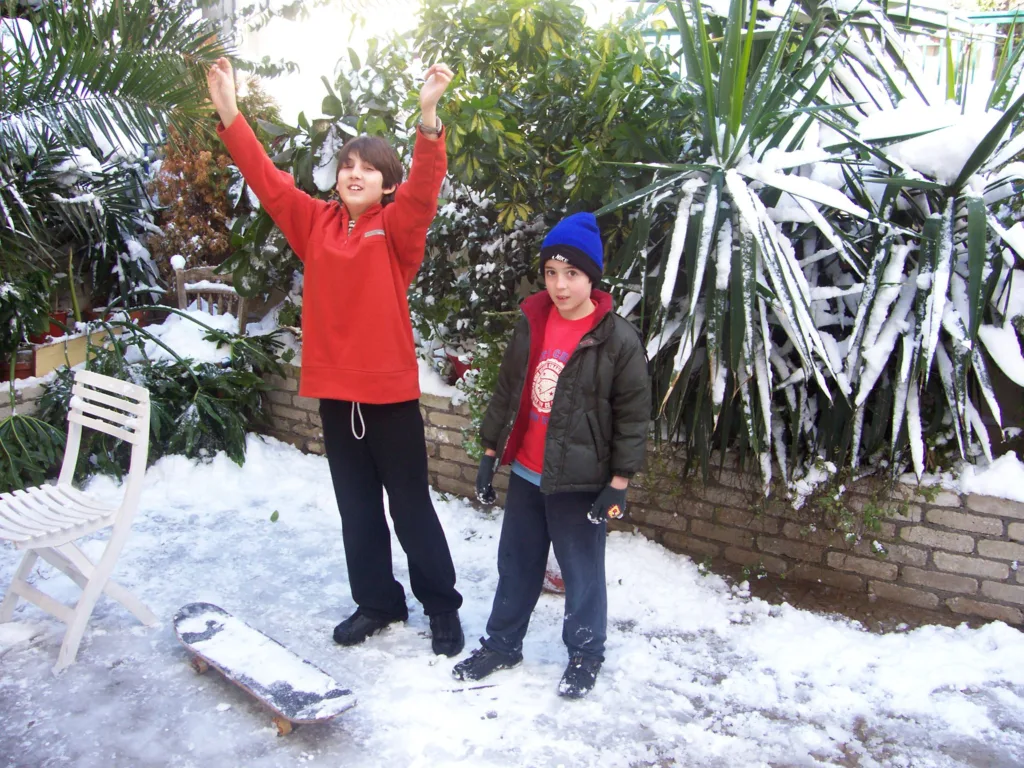
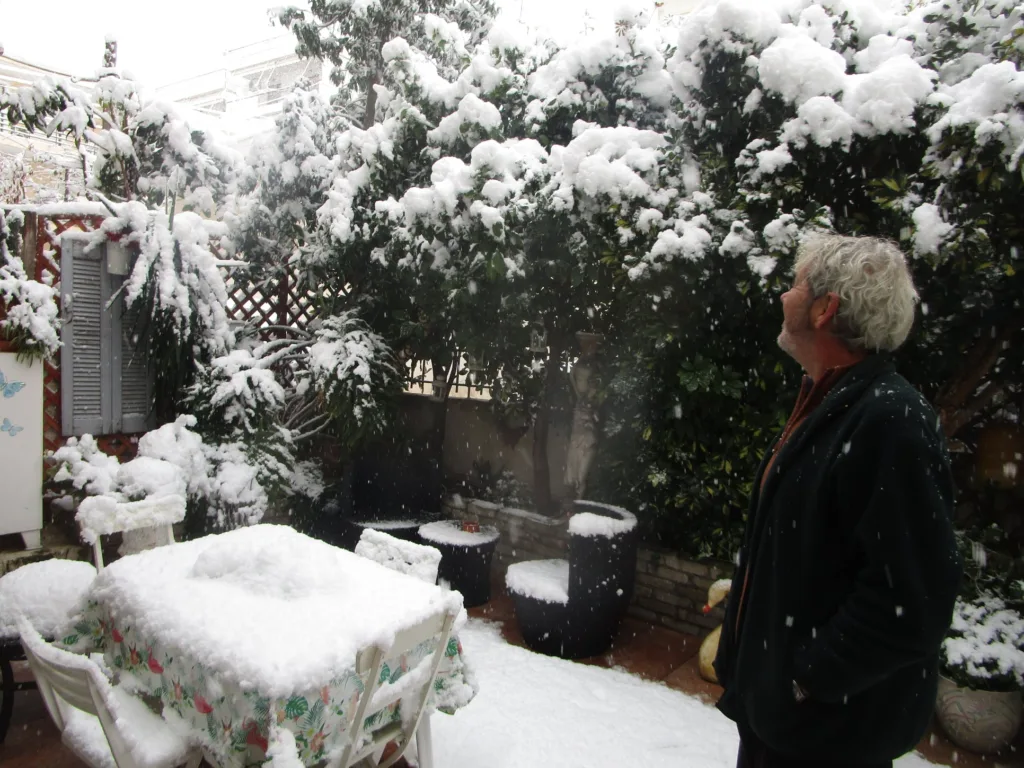
And sometimes it does snow in Athens; five times actually in the three decades that I’ve been in Greece, when it truly resembles a winter wonderland in my suburb here. It’s a beautiful novelty for me and my family because we had never seen snow in Australia.
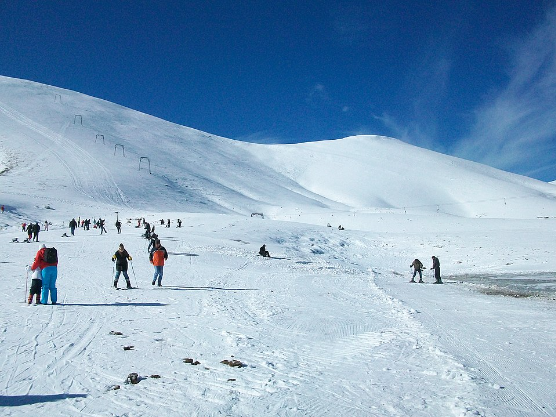
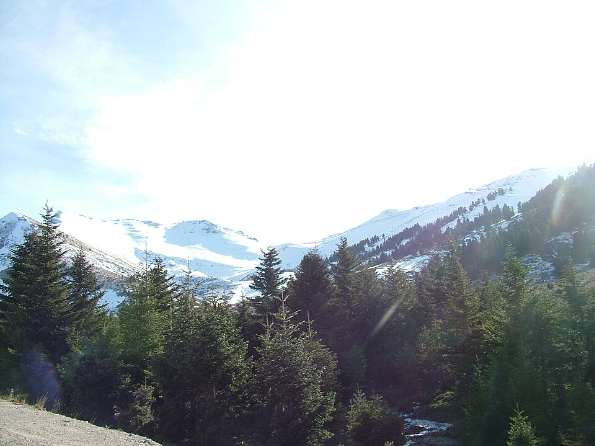
In Greece’s higher altitudes it obviously snows much more. In fact, driving from Athens to Patras in November I noticed snow had formed on the top of a Kalavryta mountain, which brings to mind skiing in winter here. There are around 25 ski resorts in Greece, from north to south of the country.
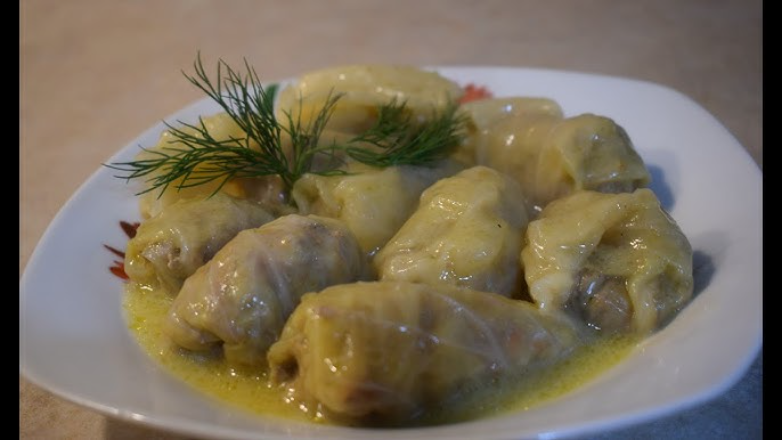
And speaking of novelties, there’s winter food. Nowadays, people can eat pretty much everything regardless of whether a food ingredient is in season, but fasolada and lahanodolmades for example, are preferred here in winter. And of course, winter here includes important celebrations like Christmas and New Year when the melomakarona and kourabiedes come out, while the fasting begins after the meat feasting on Tsiknopempti before the Apokries celebrations. This is another example of the kind of cultural uniformity that I really appreciate living here in Greece during winter.
It ain’t all mild mannered living in Greece in winter though. Big storms with thunder and lightning can be truly frightening and dangerous; though storm rains bring relief to farmers and all of us here as the water reserves are rather low. Another aspect of winter here that’s not so cosy, is getting up in the early cold and trudging to work, as I must admit that winter in Athens can make the parts of the city most of us folks live in, look particularly ugly compared to most suburbs in Australian cities which have lovely houses and tree lined streets.
This cultural uniformity and season predictability in Greece is perhaps my solace in an ever changing, globalised world in which products rather than people, and profit rather than social cohesion seem to be overtaking traditional and more humane ways of life. Nature dictates her dominance through her seasons, and here in Greece our existence on our ancient land seems to still resonate with traditions embodied within common cultural observances during seasons such as winter.