
After more than a decade in which most investment in the gaming industry focused on improving graphics, engines, and hardware, the sector is now showing signs of visual exhaustion. This does not indicate stagnation; rather, it signals a shift in focus. In 2026, innovation in gaming is expected to move from the question of “how impressive the game looks” to “how it fits into the player’s life.” The emphasis is shifting from visual fidelity and hardware to the experience itself: how games respond to user behavior, adapt to fragmented schedules, enable creative participation, and introduce new interaction models.
This shift is reflected in four major trends that are reshaping the modern gamer. Players are becoming less tied to a single platform or location, less satisfied with passive consumption, and more demanding of personalization, not only technologically, but also behaviorally and emotionally. These changes will shape the direction of gaming development in the coming years.

1. The Generative NPC Revolution
Non-Player Characters (NPCs) are the inhabitants of virtual worlds: merchants, guards, companions, or random citizens. For decades, NPCs followed fixed scripts, reacting the same way regardless of player interaction.
The integration of large language models (LLMs) into game engines is transforming this model. NPCs can now generate responses in real time based on their identity, goals, fears, social status, relationships, and even memory of previous interactions. Conversations can occur in free speech, text or voice, creating a unique story for each player.
Challenges remain: generative NPCs require massive computing power, may produce unexpected or undesirable outcomes, and gather sensitive player data by analyzing tone, emotional state, and behavior. Major studios are proceeding cautiously, integrating intelligent NPCs in limited areas or experimental games before wider deployment.
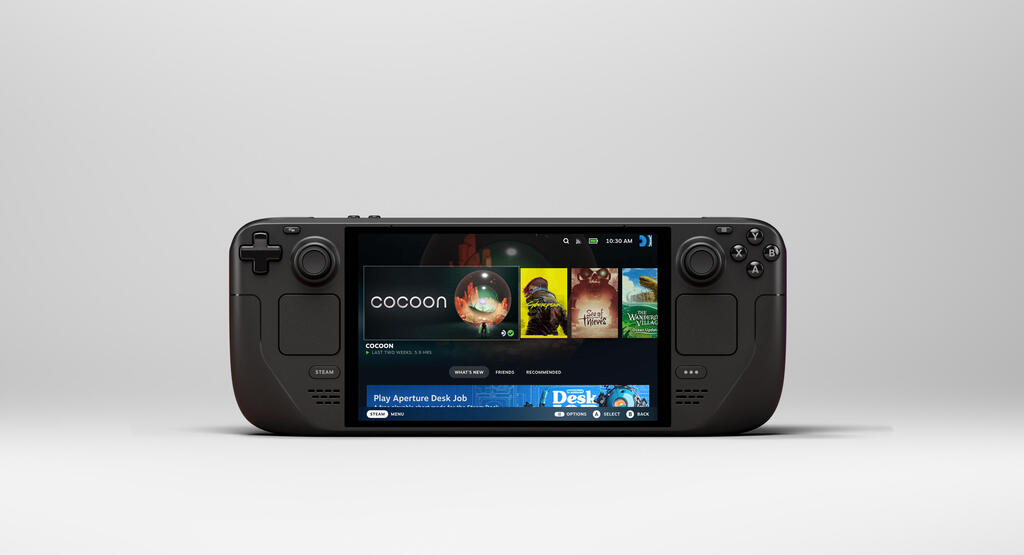
Gaming has historically been a sedentary activity: long sessions in front of a console or PC, requiring focus and disconnection from daily life. But as attention spans fragment and free time becomes scarce, this model is changing.
The handheld era, pioneered by devices like the Nintendo Switch and Steam Deck, demonstrates that gaming success depends less on raw hardware power and more on integration into daily life. By 2026, portable devices will no longer be a niche; they will be central to the industry, allowing players to move seamlessly from living room to commute to bedroom without interrupting their day. This is made possible by stronger mobile hardware, cloud-based processing, and game design optimized for shorter, modular sessions.
3. Players Become Creators
A new generation of gamers, those who grew up on Minecraft and Roblox, expects to participate in creation. By 2026, these players, now teens and young adults, demand not only to consume but to influence and monetize the gaming ecosystem.
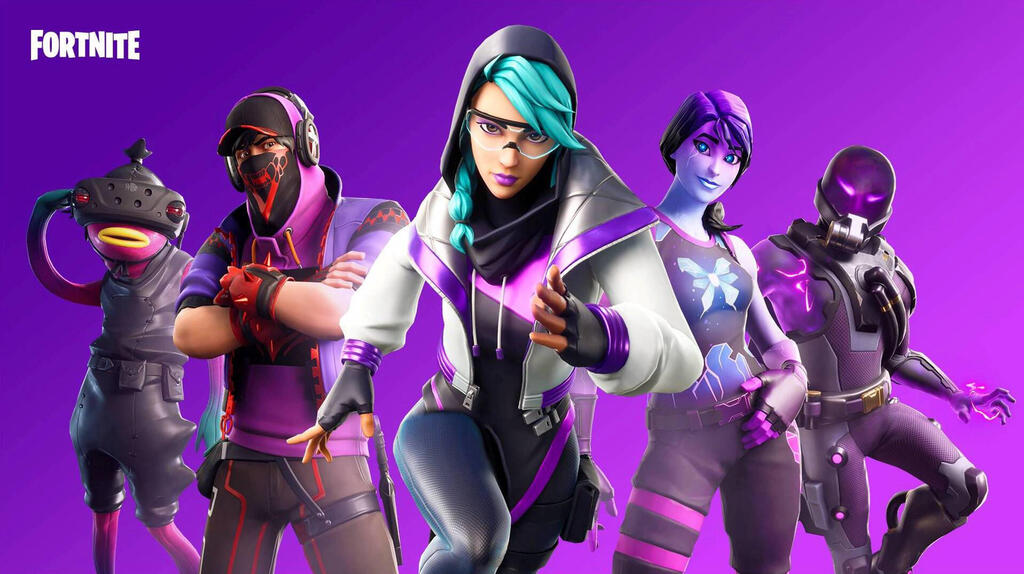
Games are increasingly designed as platforms rather than finished products. Fortnite exemplifies this evolution: once a shooting game, it has become a creative ecosystem with social spaces and performance arenas. Tools like UEFN (Unreal Editor for Fortnite) allow individual players to build complex, standalone experiences.
The result: players are content providers, not just consumers. However, the creator economy is highly centralized. A few platforms control visibility, revenue distribution, and promotion. Minor shifts in platform policies can disrupt creators’ livelihoods overnight, highlighting risks in this promising but fragile ecosystem.
4. The Quiet Revolution of Cozy Gaming
The fourth trend is less about power and more about surrendering it: the rise of games designed to soothe rather than challenge. Known as “Cozy Games,” this genre has traditionally been niche but is becoming mainstream.
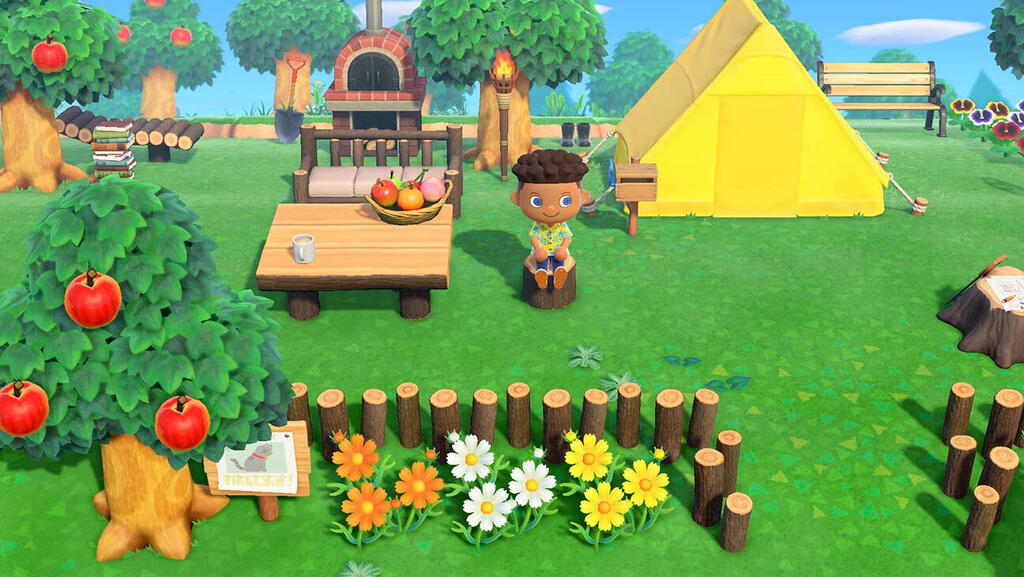
Cozy Games prioritize comfort over competition. Titles like Stardew Valley or Animal Crossing: New Horizons offer routines and rituals, gardening, social interaction, seasonal changes, without pressure to succeed or beat a clock. By 2026, these games are adopting AAA production values, with realistic graphics, advanced lighting, and rich worlds designed to evoke warmth and presence rather than skill mastery.
This shift raises broader cultural and psychological questions. While Cozy Games can aid emotional regulation and provide respite, they may also encourage avoidance of complex real-world challenges. As an interactive medium that accompanies players over time, gaming in 2026 exemplifies this tension: a demand for wellness and comfort balanced against the risks of detachment from reality.