
Before Valve cemented Steam as a go-to PC gaming destination, way back in the primordial days of digital distribution, GameStop was among the companies trying to finagle a sustainable platform for selling games digitally. Larry Kuperman, a newly retired games veteran best known for his work at retro specialist Nightdive, was part of the team behind the GameStop-acquired online store Impulse, and he suggests Steam’s golden ticket to PC gaming dominance was fairly simple in theory but hard to foresee or accomplish.
Speaking with PC Gamer at GDC, Kuperman says the whole idea of third-party digital distribution “didn’t seem intuitive at the time,” particularly in the 2000s, not just because game sales were still heavily controlled by retailers like Walmart and GameStop stocking games, but also because, “you’re a game company, why are you selling other people’s games?”
Article continues below
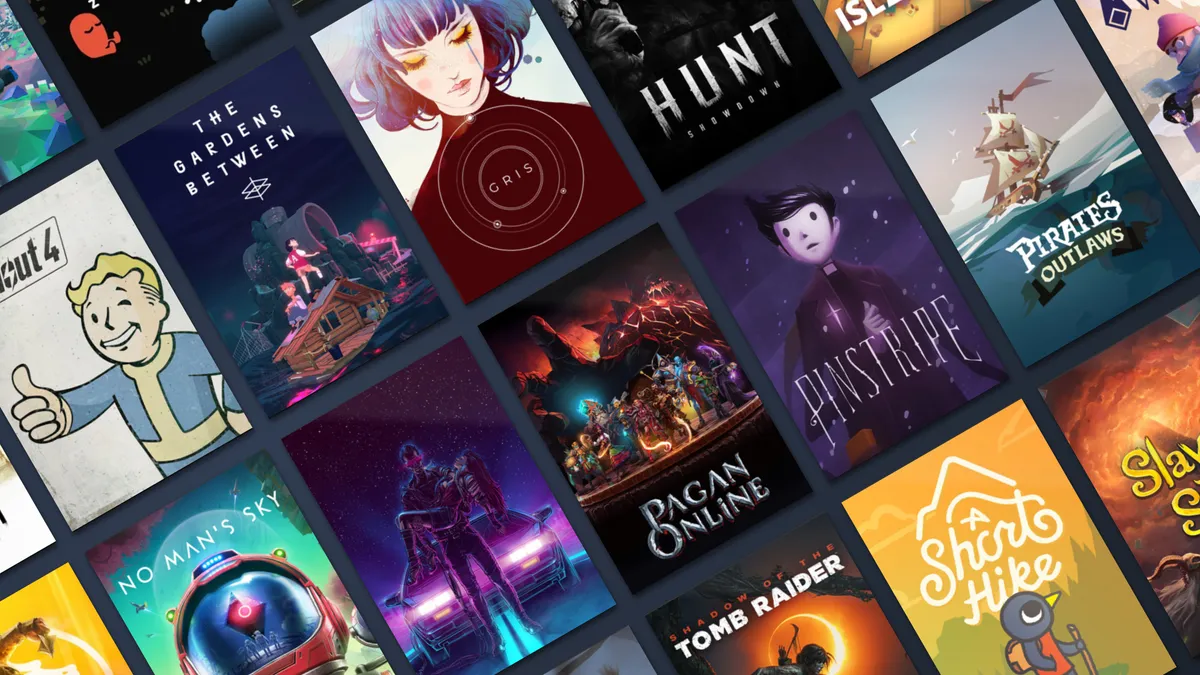
Kuperman points to Valve’s ability “to create a community” which “established a stickiness to it, that people came back because it was Steam.” What began as a Counter-Strike tool snowballed into an ecosystem, not just a storefront, with a hand in a zillion games, and only a small handful of them coming from Valve.
Perhaps most importantly, Kuperman says Steam was accessible for creators, not just players. Digital distribution lowered the barrier to entry for games, empowering weirder projects, bringing more games to Steam, and in turn attracting players.
“Steam’s philosophy of, anybody can put their game on it – for a price, but it’s not a significant price – that really changed the gaming world,” Kuperman says.
Today, this price is explained in readily available Steamworks documentation: “Whether you are completing the Steam Direct signup process or are already an established Steamworks developer, you can now simply pay a $100 USD (or equivalent) fee for each new app you wish to distribute on Steam.”
Kuperman reckons, “I think that probably the biggest thing that you can say about Steam is that, for a number of indies, it kept their company alive when they would have otherwise gone under.” To this day, countless indie developers say the reach and discoverability baked into Steam is essential to their business, outpacing the more limited tools and feeds of console storefronts, and outsizing other good stores on PC like GOG, which is intentionally more specialist.
Kuperman tips his hat to GOG, in fact, as an essential home for the work he wanted to do: “If it wasn’t for GOG, there would have been no Nightdive.”