

2026 could be a blockbuster year for Google after some serious success across almost all areas in 2025. What should and could we expect? Here are a few early-year thoughts and expectations.
Whether Google succeeds in some areas is up for debate, but there is no doubt that the company is on a roll with so many existing and portfolio products. From top to bottom, there is so much optimism, and while AI is still one of the buzzwords, it has helped drastically as Gemini is one of, if not the premier, AI platforms period.
From smartphones to smart speakers, there are a few bankers, plus some less quantifiable additions. Here’s what we (think) we’ll be working with throughout 2026:
Android 17 (obvious)
The dust has barely settled on Android 16, but like that staggered release, some funky things might happen with how Google will bring Android 17 to our phones in 2026. We had a two-part release last year, and that could happen again, but the company confirmed after the December Pixel Drop that this was a milestone for how Android updates will work. Big yearly releases could be a thing of the past; instead, we’ll get “the latest features as soon as they’re ready,” according to their own press release.


Now, that doesn’t mean we won’t get Android 17. In fact, it means the exact opposite. We can expect further evolution of the OS throughout the year with quarterly releases. Having said that, this has been the case for a while already.
The new timeline has been aligned to better sync with the yearly release of Pixel hardware, which was mid-Q3 2025. Android Canary has been added to the lineup to speed up iterations, too. There’s a lot to contend with when we’re discussing Android – the platform. Just expect Android 17, it’ll come, even if it’s just an API change followed by more visual overhauls like with Android 16 and QPR1.
Just how much it differs from Android 16 is anyone’s guess. It could simply add in more under-the-hood behaviors. Gemini could also play a more pivotal role.
New Pixels (obvious)

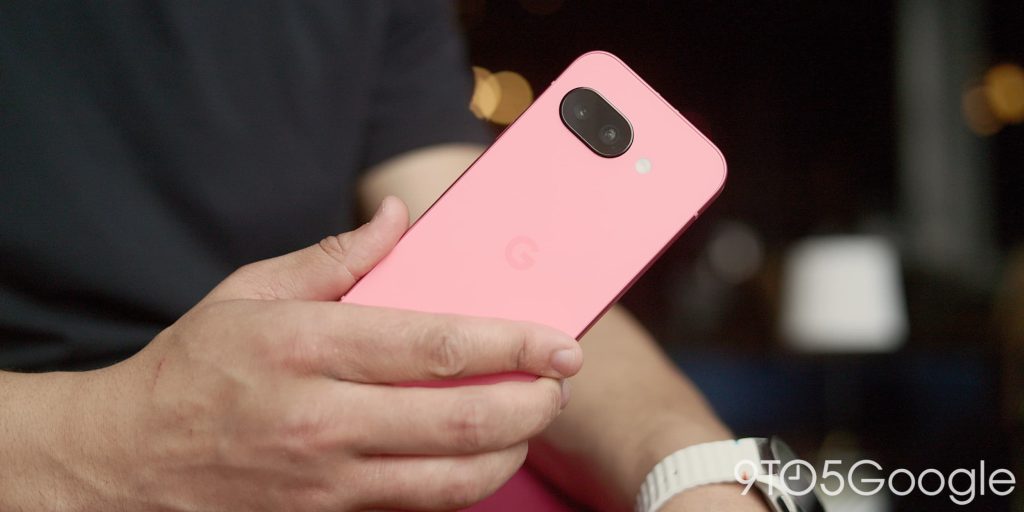
Building on the foundations of the Pixel 9 and Pixel 10 series is imperative for Google in 2026, and it’s a near-certainty that we’ll see new hardware, starting with the Pixel 10a. It’s not clear when that might be, as 9a hit store shelves earlier than any of its predecessors. If the March-April launch-to-release timeframe is adhered to, that means we won’t have much longer to wait to get the affordable Pixel 10 handset.
The Pixel 11 is an inevitable follow-up later in the year. It’s fair to say that while the Pixel 10 has solid fundamentals, there has been a lukewarm response from ardent Android fans and the wider community. Google has targeted a very different demographic over the past couple of years, and while there has been market share gain, we would love to see more from the next generation.
Tensor is one area we would love to see some sizeable improvements. You don’t need to have the best chip, just something competitive so that even the hardcore fan might think twice before going for another phone with the best of the best spec sheet.
That said, if the Pixel 11 just nudges the company further again, internally, that is likely going to be seen as a win for the lineup. Converting iPhone owners to Pixel owners has become the modus operandi. As much as this is annoying, it is still great to see Android taking market share away from Apple.
New Google Home speaker

The Google Assistant is all but dead at this time, and to coincide with that, Google has already revealed new Google Home hardware with a speaker that, although larger, pays homage to the original Google Home Mini and Nest Mini while retaining Gemini as a core component. What’s interesting is that it is ditching the “Nest” moniker completely.
At $99.99, it could be a tough sell, but given how overdue new first-party Home hardware has been in recent years, people might be itching to get hold of a new speaker. Google says it has been “engineered and designed for Gemini.”
The online discourse surrounding Gemini as a replacement for the Google Assistant has been mixed at best, so we’re itching to see more improvements before this mini speaker is available for sale. You can pair two Speakers with the Google TV Streamer to create an immersive home theater system and finally realise something the Nest Audio was supposed to achieve with the Chromecast a few years ago. There’s also stereo pairing and grouping with existing Nest speakers for multi-room audio.
Spring 2026 is the only timeline for when we’ll see the new Google Home Speaker. The good news is that it’s coming to 19 countries at launch.
Gemini 4.0
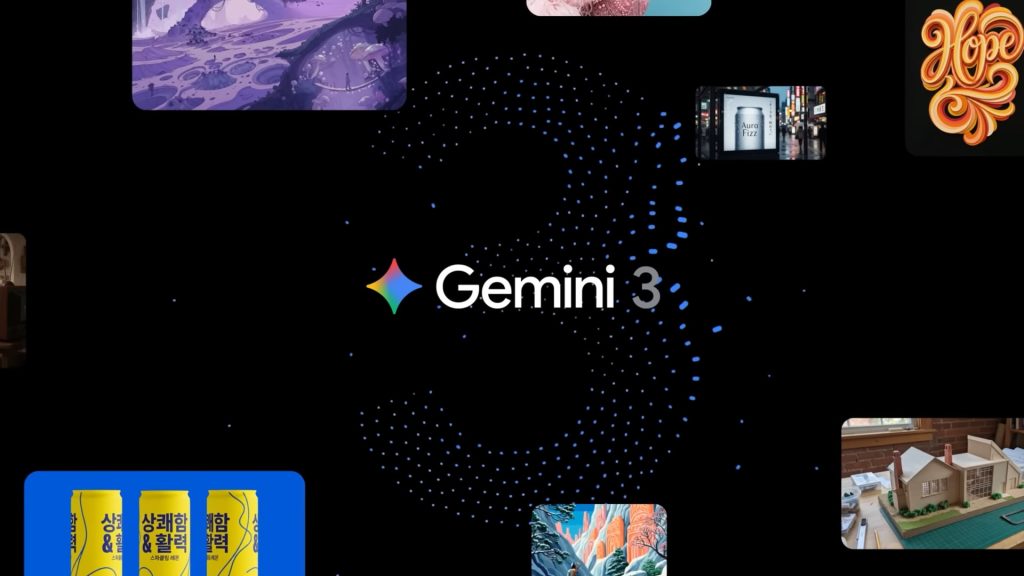
Google is forging a fresh path with Gemini, and it wouldn’t be too much of a stretch to see Gemini 4.0 lead the way once again with integrations and implementations that we couldn’t even begin to contend with. Nano Banana image generation and editing has been a hit from the moment it dropped; it single-handedly added 100s of millions of new users to Gemini.
We might not get another major switch like that, but there’s no telling just what developments could do that for the “average” person who uses AI and LLMs. Gemini 3.0 is already proving that it can do so much more than most other LLMs, and it’ll only evolve month over month throughout the year.
Smart glasses
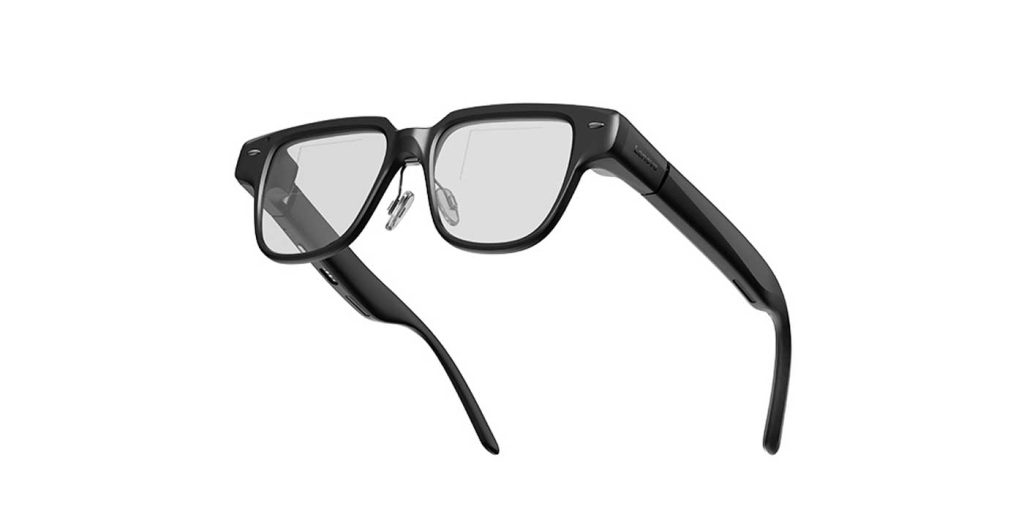
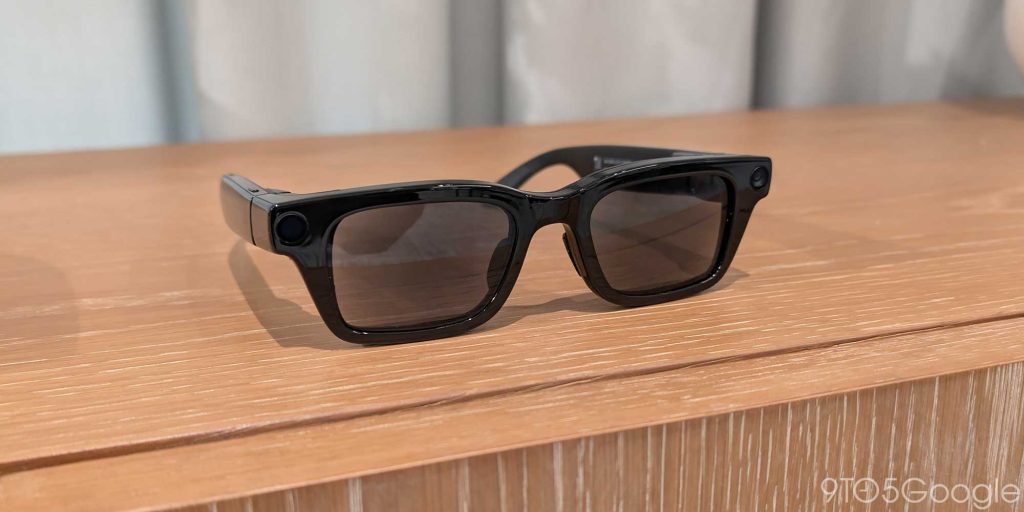
In partnership with OEMs, we’re getting a true follow-up or successor to Google Glass. Android XR for glasses is the end goal for the operating system, but we didn’t expect hardware to be ready for a little while. Google has come out swinging with confirmation that monocular AR glasses are coming to market in 2026.
XREAL is bringing wired XR glasses to the market in the new year. This is just the beginning. More brands, most likely Samsung after the company teased something with the Galaxy XR, are likely to get their own hardware out there by the end of the year. Glasses that give us the true world-facing Gemini experience are the end goal for Android XR so it could be a major growth area.
Android for laptops/PCs
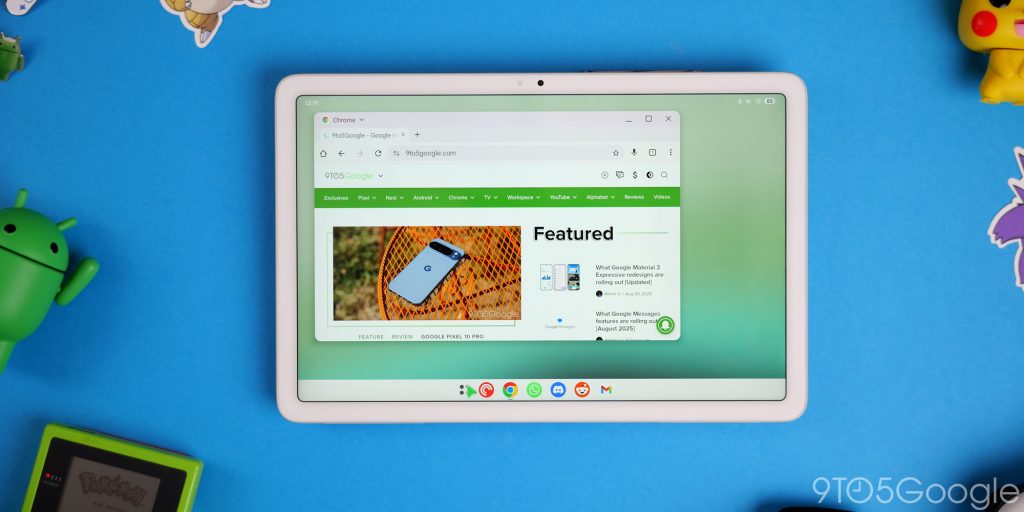
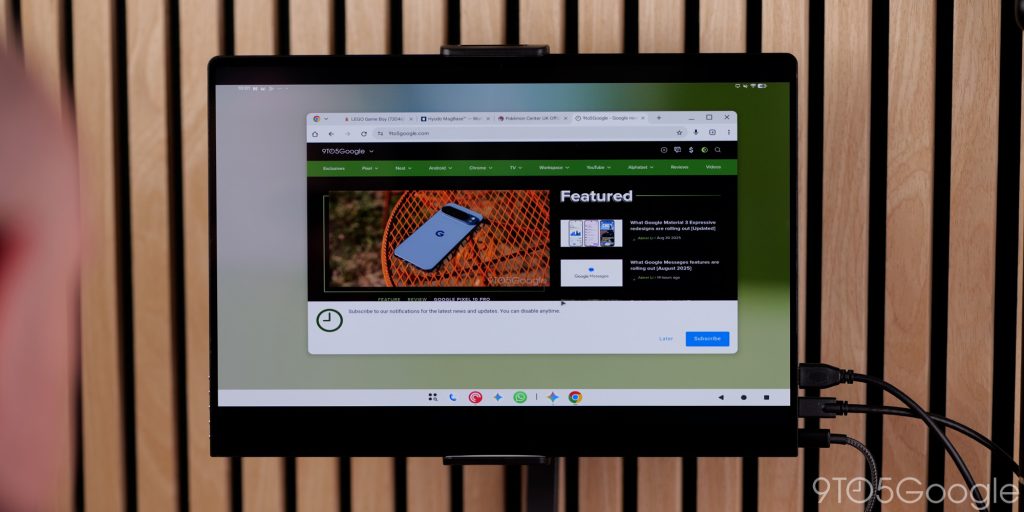
The death of consumer Chrome OS in favor of Android is all but a formality at some point soon, and 2026 looks like the year that we finally get a proper Android-powered desktop OS to use on laptops and PCs. Whether it works is another big question over this project. Is Android the right place for productivity? Can our mobile and tablet applications scale to be useful on even larger screens or the true laptop paradigm?
At this stage, it’s still a tough sell. Chrome OS offers a desktop-level browser with compromises elsewhere. Android on laptops and computers would need serious work for it to get anything at the same quality level. Chrome for Android is going to be a pain point as it does not support extensions, nor does it work all that well when you want to manage or use multiple tabs.
What it lacks in professional-level support, it makes up for in flexibility. The scalability will benefit mobiles too, as we could get better tablet support, better developer buy-in, and much more. If Google can court big application developers like Adobe and get more productivity suites ported to Android, maybe there is an opportunity to make inroads on the mammoth iPad market share.
That said, it’s highly unlikely that people will abandon Windows and Mac OS in favor of Android-powered machines unless they have very lightweight workloads or are on a strict budget. Just which OEMs back the project remains to be seen. Chrome OS has stagnated in recent years after some moderate success. The jury is out, but we’re intrigued by how or what Android in this existing form factor will really look like when unveiled.
Follow Damien: Threads, Bluesky, Instagram


FTC: We use income earning auto affiliate links. More.