
Greece is intensifying efforts to modernise its yachting industry, rolling out new digital charter systems, revising tax rules and introducing targeted maritime tourism policies in a bid to protect its leading position in the Mediterranean.
Get the latest news straight to your inbox!
Digital Platforms Streamline Chartering and Compliance
Recent reforms are reshaping how yachts operate in Greek waters, with authorities prioritising digital tools to monitor activity and simplify procedures for charter businesses. Publicly available information shows that an electronic “e‑Charter Permission” system has become central to approving and tracking commercial yacht movements, replacing a patchwork of local paperwork with a single online process that records itineraries, vessel status and charter periods in real time.
Industry briefings indicate that the digitalisation drive forms part of a broader move to standardise rules for both Greek and foreign‑flagged vessels, particularly larger yachts. The electronic framework aims to reduce administrative delays at ports, give charter operators clearer visibility of regulatory requirements and make it easier to demonstrate compliance with VAT and other tax obligations linked to charter income.
According to technical summaries of the new regime, integration with the national gov.gr ecosystem is gradually extending digital access for owners, management companies and charter brokers. These upgrades are designed to allow users to submit documentation, obtain charter permissions and update vessel details remotely, reducing reliance on port‑by‑port visits and physical paperwork that have long been identified as weaknesses in Greece’s maritime tourism offer.
Reports by sector analysts note that digital monitoring tools also serve a fiscal function, helping authorities reconcile declared voyages with fuel consumption, port fees and charter receipts. While questions remain about enforcement capacity, the combination of electronic tracking and data sharing is being presented as a foundation for a more transparent and predictable operating environment.
Tax Reforms Target Revenue and Fair Competition
Alongside digitalisation, Greece is reshaping its tax treatment of yachts and maritime tourism in an attempt to raise revenue without undermining competitiveness. A recent directive granting tax‑free fuel for certain yacht movements, such as repositioning for maintenance or charter obligations, is positioned as support for professional yachting while remaining distinct from regular passenger voyages. Public reports, however, highlight concerns that inconsistent monitoring could leave room for abuse if vessels deviate from their declared routes.
At the same time, a broader overhaul of ship taxation is progressing through legislative channels. Draft provisions for second‑class ships, which include many commercial yachts, propose changes to how tonnage‑based taxes are calculated and how foreign‑flagged vessels with management operations in Greece are assessed. Legal analyses describe the package as one of the most comprehensive updates to the long‑standing maritime tax framework, with direct implications for yacht owners, charter companies and related service providers.
Specialised guidance issued for the 2024 tax year sets out revised VAT rules for charters, clarifying when Greek VAT applies to domestic and cross‑border itineraries and how “Specified Period Charter” licences interact with tax obligations. Professional associations argue that clearer rules can help attract more large yachts to operate legally from Greek ports rather than using neighbouring jurisdictions as bases while still benefiting from Greek cruising grounds.
Economic commentary points out that, despite a relatively low effective tax burden on some large vessels, Greece has historically captured less fiscal benefit from yachting than its volume of traffic would suggest. The current reforms seek to close gaps between activity levels and state revenue, while also signalling to international investors that the framework is becoming more predictable and aligned with wider European standards.
Policy Initiatives Aim to Unlock Maritime Tourism Potential
Policy discussions over the past year have repeatedly underlined the paradox of Greece’s yachting sector: high global demand and dense vessel traffic, but underperforming infrastructure and state income. Studies presented at industry conferences show that Greece ranks among the top destinations worldwide in yacht numbers and superyacht calls, yet marina capacity, differentiated berthing fees and service quality often lag behind competing Mediterranean hubs.
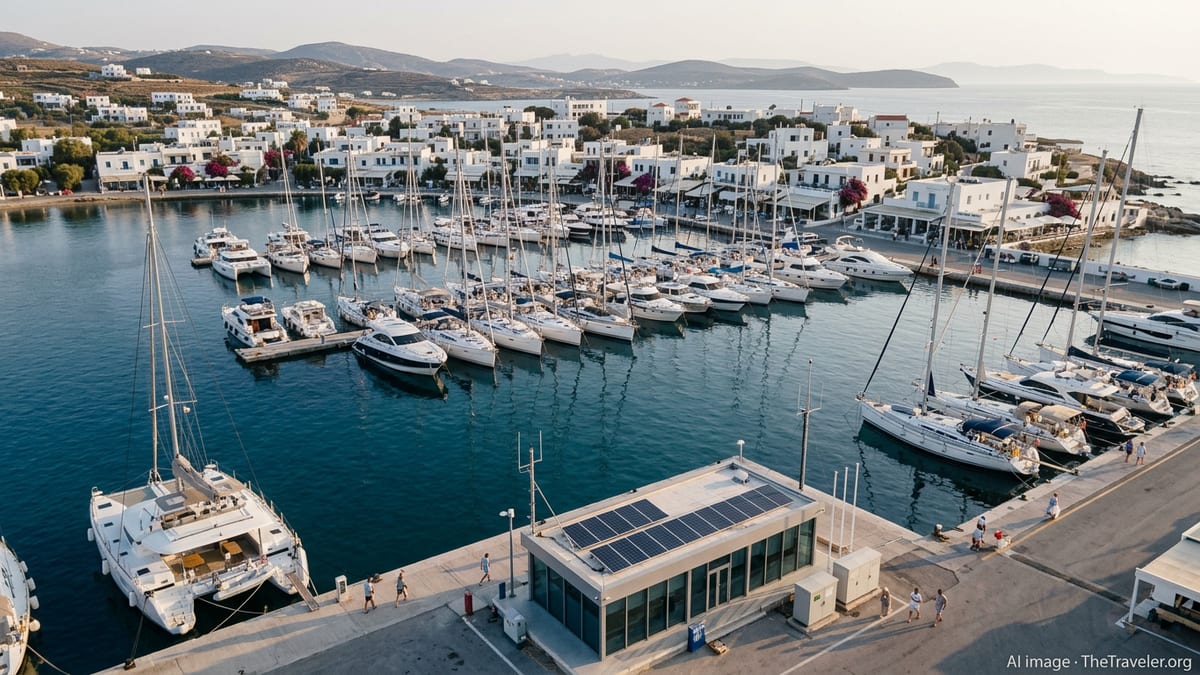
Strategic reviews of maritime tourism describe marinas as a critical bottleneck. Many islands and coastal towns lack modern berths, integrated repair facilities and shore‑side amenities that higher‑spending yacht visitors increasingly expect. Pricing structures are also widely reported as uniform and relatively low, regardless of location or season, limiting incentives for private investment in new or upgraded facilities.
In response, policy blueprints referenced in recent budget documents highlight plans to leverage new tourism‑related taxes and port fees to fund infrastructure upgrades. For cruise visitors, a forthcoming island disembarkation tax and seasonal sustainability surcharges are framed as tools to manage overtourism and generate earmarked revenue for port improvements. While these measures focus primarily on cruise ships, stakeholders view them as part of a wider maritime strategy that could also support yachting infrastructure, especially in heavily visited destinations such as the Cyclades and Ionian islands.
Government planning papers and consultancy reports converge on a central message: Greece holds strong comparative advantages in coastline, culture and sailing conditions, but must match these natural assets with modern marinas, digital services and coherent pricing if it is to fully tap the economic potential of nautical tourism.
Competing in a Crowded Mediterranean Market
Greece’s modernisation push is unfolding against a backdrop of intensifying competition among Mediterranean countries for high‑value maritime tourism. Recent banking and industry data indicate that by 2024 Greece had overtaken some traditional rivals in the number of yacht charters, confirming its status as a preferred cruising ground for both recreational sailors and luxury yacht clients.
Travel trend coverage shows that Greece is also benefiting from a surge in so‑called “dock and dine” experiences, where visitors arrive at coastal restaurants directly by boat. A recent international study ranked the country as a world leader in this niche, with a particularly high concentration of accessible, highly rated seaside venues in the Saronic, Ionian and Dodecanese islands. This combination of established yachting routes and culinary appeal is seen as a key differentiator in the global market.
At the same time, analysts caution that regulatory complexity and rapidly rising tourism‑related taxes could erode some of these advantages if not carefully balanced. Broader assessments of Greece’s tax environment describe the overall corporate framework as increasingly competitive, but note that the tourism sector faces a heavier mix of levies and compliance requirements than many rival destinations.
Within this context, the shift toward digital charter platforms, clearer VAT rules and targeted maritime taxes is being interpreted as an attempt to reconcile fiscal needs with investor confidence. The success of the strategy is likely to be measured not only in state revenues, but also in whether Greece can continue to attract repeat charter clients, long‑term yacht homeporting and private investment in marinas, shipyards and coastal services across its island regions.