
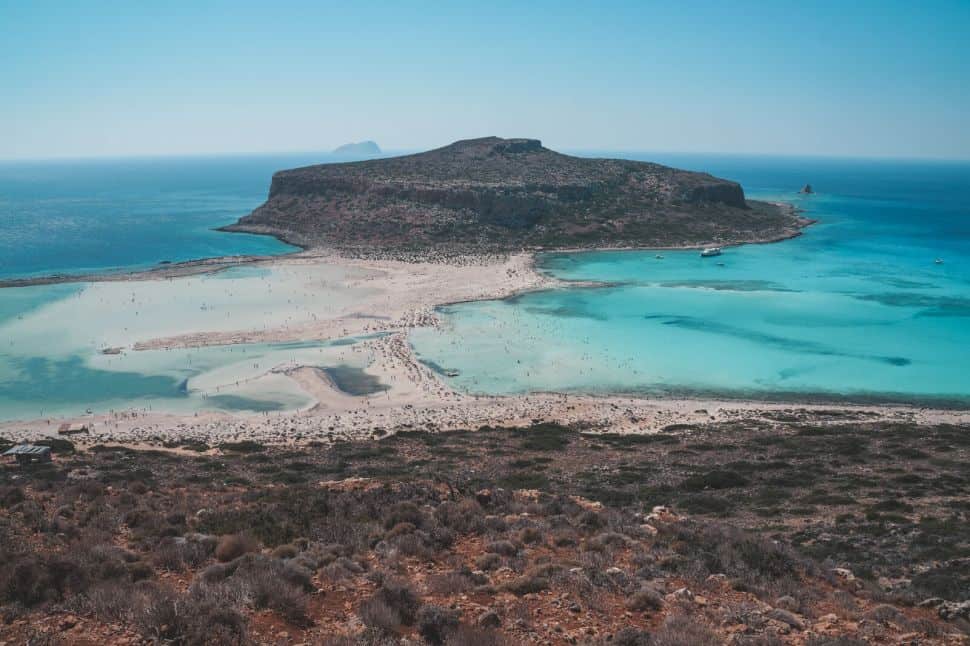
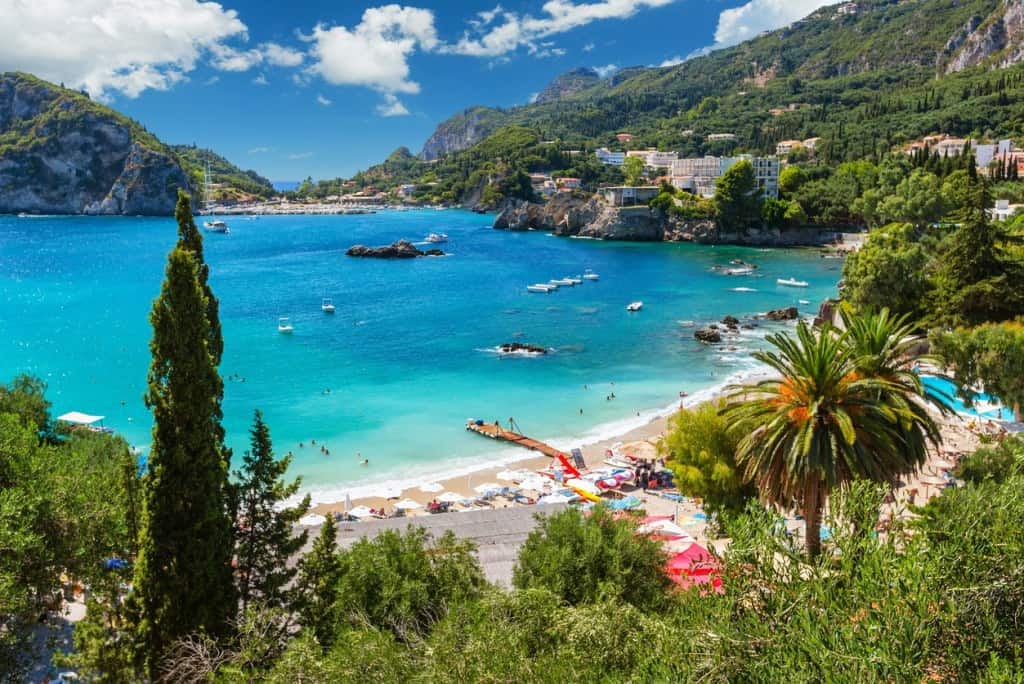
In the 2026 list of the world’s top beaches, four Greek shores earned places in the global top 24. Leading the charge were Elafonissi Beach and Balos Lagoon, which secured second and third place worldwide, just behind Isla Pasion in Mexico. Two more Greek beaches also made the list: Falasarna Beach ranked 11th, while Paleokastritsa Beach placed 14th—completing a remarkable showing for the country.
Only a handful of other nations appeared more than once in the rankings, including the United States and Italy (with three beaches each) and Australia (with two).
This achievement builds on previous success. In last year’s awards, Elafonissi Beach was crowned the No. 1 beach in the world, praised for its distinctive pink-hued sand—created by crushed shells—and its crystal-clear, shallow waters.
What Makes Greek Beaches Stand Out?
Beyond rankings, Greece’s appeal lies in the diversity and natural beauty of its coastline. On Crete alone, visitors can experience the blush-toned sands of Elafonissi and the tranquil turquoise lagoon of Balos, framed by rugged hills and dramatic scenery. In Corfu, Paleokastritsa offers emerald waters and striking headlands, providing a different but equally captivating coastal landscape.
With thousands of miles of shoreline across the mainland and hundreds of islands, Greece offers everything from secluded coves and peaceful lagoons to lively sandy stretches ideal for swimming and snorkeling. Whether travelers seek serene relaxation or seaside adventure, the options are virtually endless.
Greece’s standing in the TripAdvisor awards only further positions the country as a must-visit destination for travelers in search of unparalleled seaside serenity. International Living also recently named Greece the “Best Place to Retire” in 2026.
Greece Tops the World as the Best Place to Retire in 2026
