
Published on
February 24, 2026
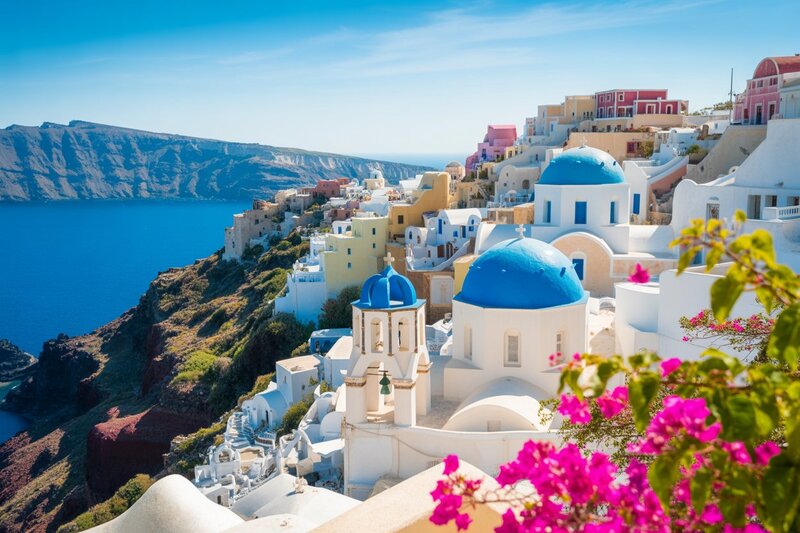
Image generated with Ai
Greece Overtakes Netherlands, Spain, Ireland, Belgium, Slovakia, Czech Republic, and More in both energy sustainability and tourism growth, solidifying its position as a leader in Europe’s renewable revolution. With ambitious investments in solar energy, energy efficiency, and sustainable tourism practices, Greece has outpaced these European nations, driving significant progress in both sectors. The country’s strategic focus on eco-friendly initiatives has not only improved its energy infrastructure but has also attracted record numbers of visitors. By integrating renewable energy solutions with a thriving tourism sector, Greece is ensuring its future as a top destination for travelers seeking both environmental responsibility and unparalleled cultural experiences.
Greece, long admired for its rich history, stunning landscapes, and captivating culture, is rapidly transforming into one of Europe’s leading nations in both energy sustainability and tourism growth. Recent developments in the country’s energy sector, combined with strategic tourism initiatives, have set Greece apart from other European countries. As the world moves toward a greener future, Greece is positioning itself at the forefront of the renewable energy revolution, all while maintaining a strong grip on the global tourism market. This article explores how Greece has overtaken several European countries — including the Netherlands, Spain, Ireland, Belgium, Slovakia, and Czech Republic — in both energy sustainability and tourism, driving growth and attracting visitors like never before.
Greece Surpasses the Netherlands in Renewable Energy Integration
The Netherlands, known for its wind farms and renewable energy initiatives, has long been a leader in sustainable energy. However, Greece is now gaining ground, and in some areas, surpassing the Dutch. Greece has achieved remarkable progress in integrating solar energy into its national grid, positioning itself as one of the top renewable energy performers in the European Union. As of 2025, Greece is ranked third among EU nations for its share of solar power in electricity generation, ahead of the Netherlands.
With large-scale investments in solar infrastructure and a commitment to clean energy, Greece has proven itself a regional leader in renewable energy. The country’s Vertical Energy Corridor, which connects Greece with Southeast Europe, has bolstered its position as a key player in natural gas transportation. These advancements have made Greece a frontrunner in the region, contributing to its growing reputation as a sustainable energy hub.
Advertisement
Advertisement
Greece Overtakes Spain in Solar Power Growth
Spain, traditionally a powerhouse in solar energy, has been a leader in the development of photovoltaic energy in Europe. However, Greece’s rapid adoption of solar energy has catapulted it ahead of Spain in some key performance metrics. In fact, Greece has now surpassed Spain in the rate of growth in solar power generation, expanding its capacity faster than many of its European counterparts.
Thanks to the country’s government incentives and public-private partnerships, Greece has accelerated the implementation of solar farms, offering a significant boost to its renewable energy portfolio. As a result, Greece now leads Spain in solar energy’s share of total electricity generation, a major achievement in the effort to combat climate change and secure energy independence.
Advertisement
Advertisement
Greece Outperforms Ireland in Energy Sustainability and Green Investments
Ireland, often hailed for its green energy initiatives, is facing stiff competition from Greece in energy sustainability. While Ireland has focused heavily on wind energy, Greece has diversified its renewable resources, particularly in solar and LNG (liquefied natural gas) infrastructure. The Revithoussa LNG terminal, one of Greece’s most important energy facilities, has been upgraded to accommodate higher volumes of LNG, aligning with the country’s commitment to sustainable energy solutions.
This expansion of infrastructure has not only bolstered Greece’s energy security but has also made it a more attractive destination for eco-conscious tourists. As Greece continues to invest in green technology and energy efficiency, it is well on its way to surpassing Ireland in both energy sustainability and tourism-driven green initiatives.
Advertisement
Advertisement
Greece Leaves Belgium Behind in Clean Energy and Tourism Initiatives
While Belgium is making strides in renewable energy, Greece has quickly outpaced it in terms of solar energy integration and energy efficiency. Greece’s push for energy diversification — including its efforts to create a sustainable tourism sector — has outperformed Belgium’s more conservative approach.
The Vertical Energy Corridor is just one example of how Greece is enhancing its energy infrastructure while improving tourism services. By improving energy security, Greece has been able to offer more reliable services to tourists, creating an attractive environment for visitors seeking eco-friendly travel experiences. As Greece continues to invest in green energy infrastructure, it is positioned to surpass Belgium not just in clean energy, but also in tourism growth driven by sustainability.
Greece Surpasses Slovakia and Czech Republic in Renewable and Tourism Performance
Both Slovakia and the Czech Republic have made significant investments in renewable energy, but Greece’s overall energy strategy, which blends solar, natural gas, and sustainability, has propelled it ahead of both nations. Greece’s renewable energy share is rapidly increasing, while Slovakia and the Czech Republic continue to focus primarily on wind and hydropower.
The Vertical Energy Corridor plays a significant role in integrating Greece into Europe’s broader energy network, improving its connectivity with countries like Bulgaria and Serbia. Additionally, this energy security translates directly to tourism benefits as visitors are assured of a seamless experience with reliable access to energy. The combination of energy infrastructure improvements and tourism growth is what sets Greece apart from Slovakia and the Czech Republic.
Energy and Tourism Growth Synergies Fuel Record-Breaking Visitor Numbers
One of the most significant drivers of Greece’s success is the synergy between energy infrastructure and tourism development. Greece’s enhanced energy efficiency and sustainability initiatives are directly contributing to its booming tourism sector. With reliable, eco-friendly energy solutions, Greece is offering visitors an experience that is both environmentally responsible and modern.
From the Greek Islands to Athens and Crete, tourism growth in Greece has been fueled by the country’s commitment to energy diversification. In 2025, Greece experienced a 22.4% increase in international arrivals, outperforming traditional European tourism destinations like Spain, Portugal, and Italy in terms of growth rate. As a result, Greece is now attracting record numbers of visitors, eager to explore its stunning landscapes, historical landmarks, and sustainable tourism offerings.
The Role of Government in Supporting Energy and Tourism Growth
The Greek government has played a crucial role in facilitating the country’s energy and tourism growth. The strategic partnership between the Ministry of Tourism and the energy sector has created a collaborative environment that benefits both industries. By focusing on energy efficiency, renewable infrastructure, and sustainable practices, Greece has positioned itself as a forward-thinking destination that appeals to modern travelers.
Additionally, the Revithoussa LNG terminal upgrade has ensured that Greece’s energy needs are met, while also providing the foundation for the country to attract eco-conscious tourists who seek a greener way to travel. By aligning sustainability with tourism development, Greece is setting a standard for other European nations to follow.
Greece’s Future in Energy Sustainability and Tourism Growth
Looking ahead, Greece is well-positioned to maintain its leadership role in renewable energy and tourism growth. The combination of an eco-friendly tourism sector and a robust energy infrastructure will continue to attract international travelers and investors alike. With new projects like the Vertical Energy Corridor, Greece will further solidify its role as a key player in Europe’s renewable energy market while enhancing its tourism offerings.
As global interest in sustainable travel continues to rise, Greece’s commitment to sustainable tourism will ensure that it remains at the forefront of the industry. With increasing investments in green technology, energy efficiency, and eco-friendly services, Greece is set to lead the way in Europe’s renewable revolution while welcoming more visitors from around the world.
Greece Overtakes Netherlands, Spain, Ireland, Belgium, Slovakia, Czech Republic, and More in both energy sustainability and tourism growth, leading Europe’s renewable revolution and attracting record numbers of eco-conscious visitors with its commitment to sustainable development and green tourism.
Greece’s achievements in both energy sustainability and tourism growth make it a shining example of what is possible when industries work in harmony. By surpassing countries like the Netherlands, Spain, Ireland, Belgium, Slovakia, and the Czech Republic in energy and tourism metrics, Greece is positioning itself as a global leader in sustainable development. As the country continues to innovate in both sectors, it will remain an attractive and forward-thinking destination for tourists seeking eco-friendly travel experiences.
