
Published on
January 2, 2026
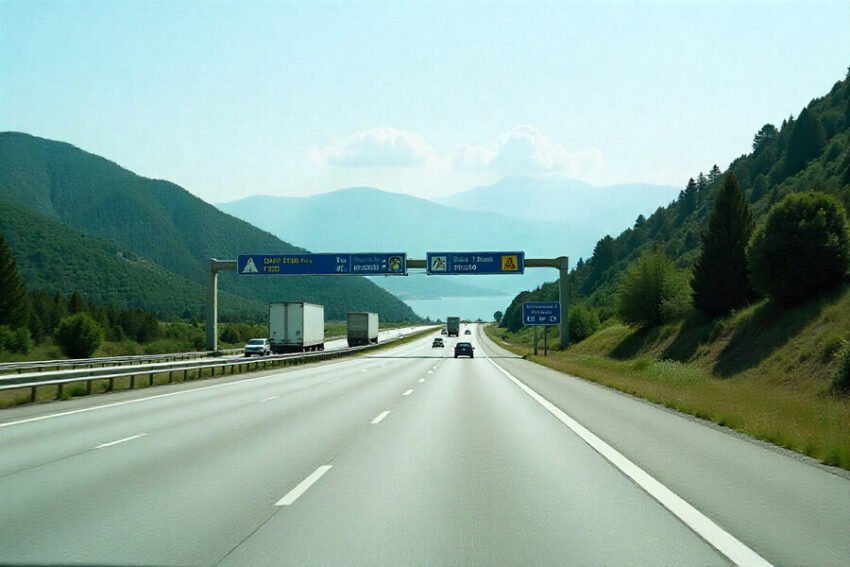
Starting in 2026, Greece has implemented a significant increase in highway toll fees, which will directly impact Bulgarian tourists and drivers traveling to popular destinations like Kavala and Alexandroupoli. The cost of a one-way journey to Thessaloniki, for example, has surged by 23%, raising concerns among travelers who frequent these routes. This fee hike is a result of the new management of certain highways and aims to support infrastructure development. The rise in toll charges will affect not just private vehicles, but also buses and trucks, making the journey to Greece more costly for both locals and visitors alike.
Greece ushered in 2026 with a significant change to its toll fees on northern highways, a move that will directly impact the thousands of travelers crossing the border, particularly those coming from Bulgaria. As the new year began, a toll fee increase on major routes such as those leading to Thessaloniki, Kavala, Asprovalta, Komotini, and Alexandroupoli took effect, marking a notable rise in travel costs for those who frequently drive through these routes. This change is expected to influence both local and foreign travelers, particularly during peak seasons when cross-border traffic is at its highest.
One of the most significant toll hikes is on the route from the border to Thessaloniki, one of Greece’s most popular tourist and business destinations. The price for a one-way journey to Thessaloniki has increased by 23%. Previously, the toll for this trip was 4.35 euros (approximately 8.50 leva), but it has now risen to 5.35 euros (around 10.50 leva). This may not seem like a massive increase at first glance, but for regular commuters or those making multiple trips during the peak tourist season, the cumulative effect could be significant. For those heading to Thessaloniki for both leisure and business purposes, the increase in toll fees adds another layer to the cost of the journey, particularly when considering the number of times such trips might be taken during the year.
The fee increase is not limited to just the Thessaloniki route. Other popular destinations in northern Greece, including Kavala, Asprovalta, Komotini, and Alexandroupoli, will also see a similar increase in toll costs. These routes, often frequented by both locals and visitors traveling to and from northern Greece, will be affected by the new toll regime. Travelers heading to these coastal areas, including those traveling to enjoy the scenic beauty of the Aegean Sea, will now face a higher toll burden.
In addition to private vehicles, the toll increases will impact buses and trucks as well. This is an important factor, as many businesses rely on road transport for the distribution of goods and services. Bus services, especially those that ferry tourists or operate along major routes to Greek coastal cities, will see a noticeable hike in costs. The additional expenses could trickle down to consumers, potentially making trips more expensive for tourists who rely on public transport. Similarly, trucks that transport goods from Bulgaria and other countries to Greece will now incur higher costs, affecting logistics and supply chains. The increase could lead to higher shipping costs, which in turn may impact the price of goods in the market.
The hike in toll fees is a result of a change in the management of the highways. These sections of road, which connect key points in northern Greece, are now being operated by a new concession company. This company, which has taken over the highway’s management, has indicated that the increase in toll prices is necessary to cover maintenance and to ensure that the infrastructure remains in good condition. The company has pointed out that the funds generated from these higher tolls will be used to ensure the continued upkeep and quality of the roads, which are crucial for both local traffic and tourism. While the toll hike is understandable from the perspective of maintaining road quality, it does raise questions about how these increases will affect overall travel and tourism dynamics.
For those traveling to the Greek seaside, this toll increase means that trips to Greece’s popular destinations will now come at a noticeably higher cost. For Bulgarian travelers, who are accustomed to regular trips to Greece for both leisure and business, this hike will add to the overall expenses of their journeys. Many Bulgarians, especially those who travel to Greece frequently during the summer months, will feel the impact most acutely. With tolls now being more expensive, travelers may need to reconsider their budgets or seek alternative routes to minimize the added cost.
Moreover, this toll increase will likely have an impact on the tourism industry in the region. While some travelers may be willing to absorb the extra cost, others might opt for alternative travel destinations where road costs remain lower. This could have long-term implications for Greece’s tourism sector, particularly for destinations that rely heavily on foreign visitors, such as Thessaloniki, Kavala, and Alexandroupoli. In addition, the increased toll charges could discourage potential tourists from traveling to Greece by road, as the extra cost may make the journey less appealing compared to other forms of travel, such as air or rail travel.
The timing of this toll increase is also significant. It comes during a period when travel across the border into Greece is expected to increase due to both tourism and trade activities. For many, the summer months represent the high season for both leisure travel and cross-border business. The rising tolls, if not carefully managed, could have the unintended consequence of slowing down traffic or reducing the number of visitors who choose to drive to their destinations. This could particularly impact regions that rely heavily on the influx of road travelers, such as coastal towns along the northern highways.
In 2026, Greece has raised highway toll fees, directly affecting Bulgarian tourists and drivers traveling to popular destinations like Kavala and Alexandroupoli. This increase, driven by a change in highway management, aims to support infrastructure development but adds to the cost of travel for visitors.
the toll fee increases on Greece’s northern highways represent a noteworthy shift in the cost of traveling through the region. The rise in tolls, while understandable from a maintenance perspective, will undoubtedly have an impact on both the local population and foreign travelers, particularly those from neighboring Bulgaria. With higher tolls now in place, trips to Greece’s popular destinations will come at a higher cost, affecting not just private vehicles, but also buses, trucks, and logistics operations. As the tourism season approaches, it will be interesting to see how these toll hikes will influence the flow of traffic and the number of visitors choosing to travel by road to Greece. The challenge for Greece will be to ensure that these toll increases do not dampen the enthusiasm of travelers, while still achieving the necessary infrastructure improvements to maintain its roads at the highest standard.
