
Published on
December 31, 2025
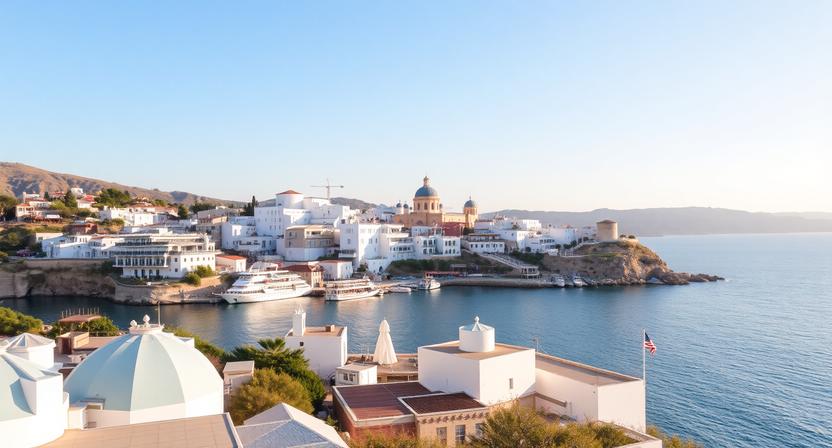
Greece has announced a €250 million increase in funding for the EU-funded ESPA Competitiveness Program 2021–2027, targeting SMEs in the tourism sector. This funding increase comes due to the great demand and quality of investment proposals submitted, reflecting Greece’s commitment to extend tourism investments and foster long-term growth. The decision further indicates that tourism remains at the heart of the national economy while the country works toward consolidating its position among the top global destinations while also developing entrepreneurship and regional development.

The revised budget now will be able to accommodate more than 4,600 projects with total investments reaching €1.6 billion against the original estimate of €1.09 billion. This significant increase in funding allows for wider participation, and it is expected that more than 68 percent of applications will be granted financial support against the lower number previously approved. Additional financing opportunities will open up possibilities for tourism-driven enterprises to emerge in new areas and support the economic growth of regions across Greece.
Expanding Tourism Investment and Fostering Economic Growth
This funding increase is expected to catalyze substantial growth in Greece’s tourism industry, helping to fuel local economies and diversify the national tourism offering. By promoting the development of small and medium-sized enterprises (SMEs), the government is fostering a more inclusive and sustainable tourism ecosystem. These investments are not only expected to improve the quality of the tourism experience but also to create long-lasting economic benefits for local communities.
The tourism sector in Greece is a major economic contributor, supporting thousands of jobs in areas such as hospitality, transportation, and tourism services. The new funding will support the creation of even more jobs and stimulate local economies, particularly in regions outside major urban centers, where tourism infrastructure is often lacking. By focusing on regional investment, the government aims to reduce economic disparities and ensure that tourism growth benefits the entire country.
Tourism Investment for Regional Development: A Key Strategy
A significant portion of the expanded funding will be directed towards regions outside of Greece’s major urban areas. This regional focus is crucial for promoting sustainable tourism growth in rural and tourism-dependent areas, where local economies rely heavily on the tourism industry. The targeted investment aims to support businesses in these areas, helping them become more competitive and sustainable over the long term.
For example, rural areas that depend on eco-tourism, agrotourism, or heritage tourism will receive the support they need to grow and attract more visitors. This will not only create economic opportunities but also help preserve the cultural and environmental heritage of these regions. By spreading the benefits of tourism beyond traditional hotspots like Athens and Santorini, Greece is setting the stage for more equitable and balanced tourism development.
Creating a Sustainable and Resilient Tourism Economy
Sustainability is at the heart of Greece’s tourism strategy, and the funding increase is a reflection of the government’s commitment to ensuring that tourism investment is aligned with environmental conservation and cultural preservation. Sustainable tourism is becoming an increasingly important trend in the global market, and Greece is positioning itself as a leader in offering eco-friendly travel experiences.
Through the ESPA Competitiveness Program, Greece is not only supporting the growth of its tourism sector but is also ensuring that it can sustainably manage this growth. The investments made today will ensure that Greece’s tourism infrastructure is prepared for future demand while respecting the country’s natural landscapes and cultural heritage. In the long term, these investments will help Greece achieve its vision of being a resilient and sustainable tourism destination.
The Role of Tourism Investment in Job Creation
The €250 million boost in funding will have a direct impact on job creation across Greece. The new investments will help create employment opportunities in the tourism sector, particularly in areas such as hotel management, local guiding services, transportation, and tourist retail. As more projects receive funding, there will be a growing need for local workers to support the expanded tourism infrastructure.
Not only will these investments create direct jobs in the tourism industry, but they will also support indirect employment in sectors like construction, marketing, and digital services. This broader job creation is critical for ensuring that tourism provides long-term economic benefits to Greece and its citizens.
A Vision for the Future: Strengthening Greece’s Position as a Global Tourism Leader
The expanded funding for the ESPA Competitiveness Program lays the groundwork for the future of tourism in Greece, which will be shaped by sustainability, innovation, and diversification. The focus on small and medium-sized businesses will ensure that the benefits of tourism are shared more equally across the country, while also improving the quality and accessibility of the tourism experience for visitors.
With its stunning landscapes, rich culture, and growing tourism infrastructure, Greece is poised to remain one of the world’s top tourism destinations. The new investments in tourism will further solidify the country’s position as a leader in global tourism, providing sustainable growth and contributing to economic development for years to come.
Tourism Investment – A Key Driver of Greece’s Economic Future
This increase of €250 million for tourism investment in the ESPA Competitiveness Program represents a significant step forward in the long-term strategy for sustainable tourism growth in Greece, bringing a focus on small and medium-sized enterprises, regional development, and job creation in its wake, which will certainly make it more resilient to any future challenges.
With nature-friendly tourism supporting the encouragement of the culture and investment in local communities, Greece is seeing to it that its tourism sector remains an economic driver for all its regions, thereby bringing long-term prosperity to the country as a whole. As the country continues to invest in tourism infrastructure and development, Greece is well on its way to a brighter, more sustainable future in the global tourism market.
