
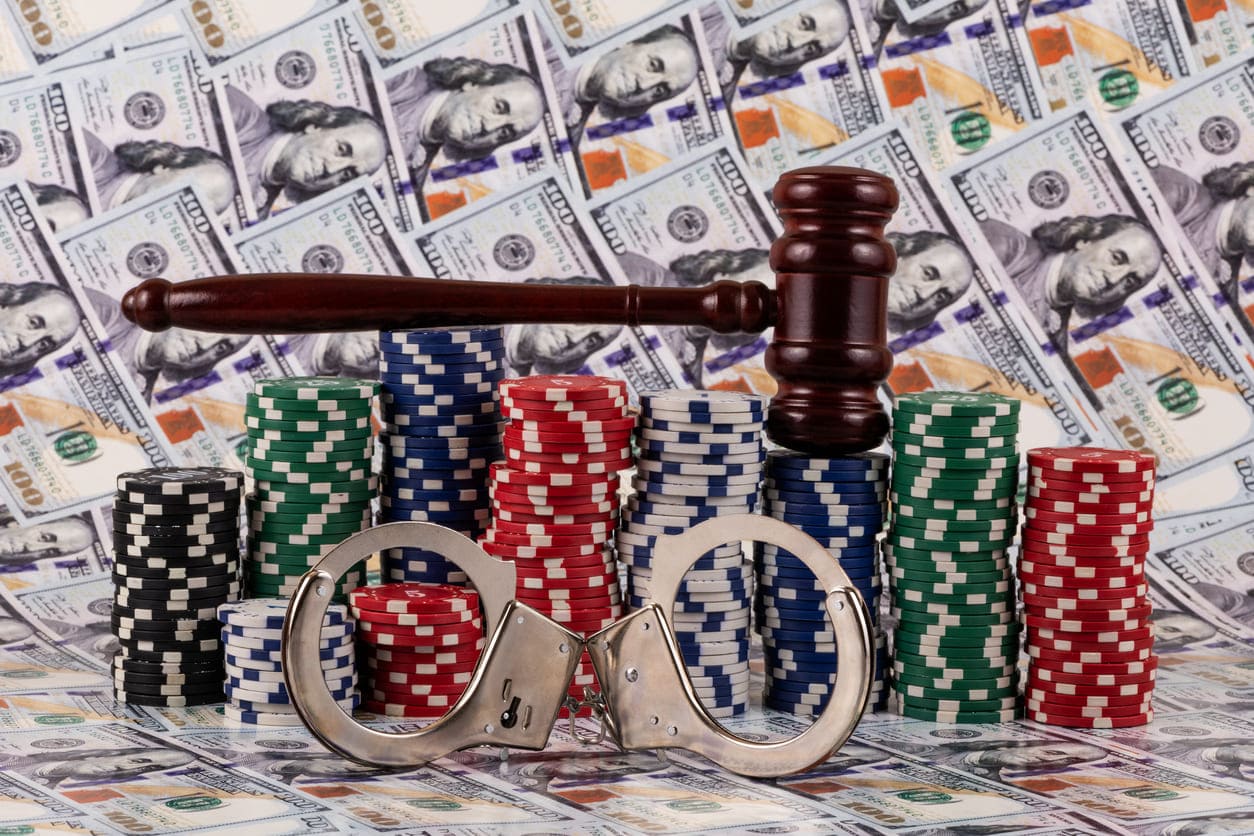
In February 2026, Greece introduced a new bill to strengthen its response to illegal online gambling. The proposal expands the powers of the Commission for the Supervision and Control of Gambling (EEEP) and creates faster tools to issue take-down requests across search engines, social platforms, and other digital channels. For the wider European iGaming market, this signals a clear shift toward more active digital enforcement, supported by a stronger blacklist framework for unlicensed providers.
The urgency is clear. Greek authorities say that more than 11,000 illegal gambling domains have already been identified and blocked. As regulators intensify efforts to protect players and limit access to unauthorized operators, the list of unlicensed providers continues to expand, highlighting the scale of the shadow market and the growing focus on enforcement.
Why Greece is moving now: the shadow-market problem in numbers
The Greece crackdown on illegal gambling 2026 reflects growing concern over the size of the shadow market. Greek authorities estimate that around 799,000 citizens, or 9.5% of the population, have engaged with illegal gambling offers.
This makes the issue more than a tax problem. The spread of unlicensed gambling sites Greece enforcement concerns is also linked to player protection, underage access, and fraud risk. That is why the Greece illegal gambling bill 2026 aims to expand Hellenic Gaming Commission new powers and improve how authorities can EEEP takedown illegal gambling content across digital channels.
What the draft bill changes: 7 enforcement levers in plain English
The Greece illegal gambling bill 2026 adds practical enforcement tools that go beyond simple domain blocking. The reform strengthens Hellenic Gaming Commission new powers, with a stronger focus on digital enforcement, faster action, clearer liability for those promoting illegal operators, and a more defined framework for Greece illegal gambling advertising penalties.
Faster takedowns across platforms
Authorities would be able to request the rapid removal of illegal gambling content from websites, search engines, social platforms, and ad networks. This supports the broader EEEP takedown illegal gambling content approach.
Identification requests & tracing the ecosystem
Regulators could request identification data linked to accounts, domains, or entities involved in illegal gambling activity. This helps trace the wider network behind unlicensed gambling sites Greece enforcement cases.
Blacklist becomes smarter (and broader)
The bill also upgrades the blacklist through Greece gambling blacklist automation, allowing faster updates and broader coverage of entities tied to illegal gambling or its promotion.Official regulator resources such as the Hellenic Gaming Commission (HGC) — Lists & Registers provide updated information on licensed operators and blacklisted providers.
Administrative sealing of illegal venues
The draft strengthens powers to quickly seal illegal gambling venues, extending enforcement beyond online channels and complementing broader digital enforcement tools gambling regulator Greece is deploying across the market.
A standalone fine for advertising or promoting illegal gambling
A major change is the introduction of specific penalties for promotion. The proposed penalties for promoting illegal gambling Greece range from €5,000 to €50,000 per violation, raising the stakes for iGaming affiliate compliance Greece.
Criminal sanctions framework gets a “two-speed” logic
The proposal also introduces a two-tier structure: more workable base penalties for standard cases, and harsher sanctions for serious or repeated violations, particularly where affiliates and influencers illegal gambling promotion risk becomes part of the enforcement assessment.
Overall, the Greece crackdown on illegal gambling 2026 points to faster digital enforcement and broader responsibility across the promotion chain.
Affiliate & media risk: what “promotion of illegal gambling” can look like in 2026
A key part of the Greece illegal gambling bill 2026 is its focus on promotion. The risk extends beyond operators to affiliates, publishers, influencers, and ad networks involved in illegal gambling content.
Typical examples include:
- SEO pages featuring unlicensed offshore brands
- “best of” lists that include illegal operators
- Telegram or Discord posts promoting gambling offers
- influencer or stream mentions of unlicensed sites
- paid search or native ads driving traffic to illegal platforms
For iGaming affiliate compliance Greece, the main priority is simple: avoid promoting brands that do not have valid local authorization.
Search & discoverability: why offshore demand is visible even under stricter enforcement
Search behaviour also offers a useful indicator of user demand. In Greece, queries such as ξενα καζινο στην Ελλαδα show how interest in offshore options can remain visible online even as enforcement tools become stricter.
In practice, users may still encounter such offers through search results, social media posts, redirected domains, review-style pages, or paid search activity linked to brand terms. This is why regulators are increasingly focusing not only on access, but also on the wider discoverability layer, while publishers and media partners are under growing pressure to apply a proper due diligence checklist for iGaming affiliates.
Measures such as faster takedowns, blacklist expansion, and ISP blocking / domain blocking Greece gambling mechanisms are intended to reduce that visibility across search engines, social platforms, and digital advertising channels.
Compliance readiness checklist for licensed operators and affiliates
For licensed operators and affiliates, practical readiness matters as the Greece crackdown on illegal gambling 2026 moves into enforcement. A short checklist can help reduce risk across digital ad networks, streamers, influencers, and other marketing channels, while also supporting player protection, underage protection, responsible gambling standards:
- adopt a licensing-only marketing policy for Greece
- add affiliate clauses banning unlicensed traffic and allowing audits
- monitor links and old pages regularly
- use ad network exclusions and negative keyword controls
- vet influencers and streamers before launch
- prepare a rapid takedown process
- keep records on traffic sources and placements
- maintain clear age-gating and responsible gambling messaging
- set an escalation path for blacklist updates
- run periodic compliance training
A simple risk map can then show where exposure is most likely to appear first.
| Area | Main risk | Basic control | Priority |
| Content | Old pages or reviews featuring unlicensed brands | Link sweeps and blacklist checks | High |
| Distribution | Paid media, affiliates, influencers | Vetting and contract controls | High |
| Response | Slow action after a takedown or blacklist update | Clear escalation process | Medium |
What to watch next in 2026
The main signals in 2026 will be take-down actions, blacklist updates, and early fines for promoting illegal gambling, along with closer cooperation between regulators, platforms, ISPs, and payment providers, as well as more visible investigative powers / enforcement audits.
Together, these would confirm a clear trend: under the Greece crackdown on illegal gambling 2026, compliance is becoming distribution-wide, not operator-only, with greater emphasis on licensing status, white list, compliance monitoring across the distribution chain.
In short, the bill points to faster digital intervention and broader responsibility for promotion. This article is for informational purposes only and does not constitute legal advice.
Disclaimer: This article contains sponsored marketing content. It is intended for promotional purposes and should not be considered as an endorsement or recommendation by our website. Readers are encouraged to conduct their own research and exercise their own judgment before making any decisions based on the information provided in this article.