
Published on
January 3, 2026
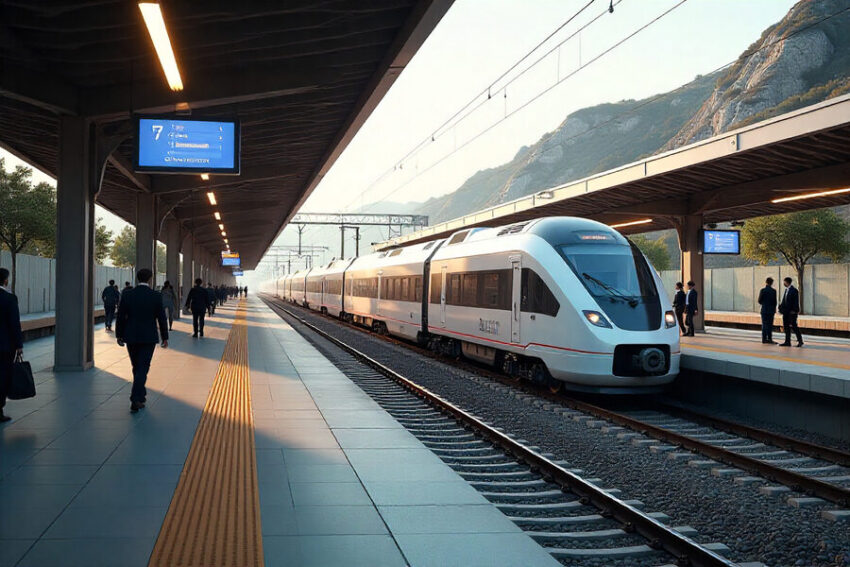
Greece’s railways are set to undergo a significant transformation with a substantial €420 million investment aimed at overhauling the entire fleet by 2027. This ambitious initiative is designed to modernize the country’s rail network, improve efficiency, and enhance passenger comfort, marking a pivotal moment in Greece’s transportation sector. The planned upgrades will not only introduce state-of-the-art trains but also ensure more reliable and sustainable rail services, boosting connectivity and supporting the nation’s economic growth.
The Greek railway system is set to enter a new era of modernization, with significant investments and new projects on the horizon. The latest steps forward include the commissioning of a fleet of new trains scheduled for delivery by 2027, alongside a revised contract between the Greek state and the operating company, Hellenic Train. The new agreement, which comes after months of detailed negotiations, aims to address various facets of railway operations, with a strong emphasis on safety, financial obligations, and clear timelines for implementation.
This overhaul represents a substantial commitment to improving the railway sector, which has faced a series of challenges over the years. The revised contract serves as a crucial step toward aligning the Greek railway system with modern standards of efficiency and safety, essential for both domestic passengers and international tourists traveling through Greece. The agreement marks a shift toward higher quality services and improved infrastructure, which will be vital for the country’s long-term transportation goals.
One of the key aspects of this agreement is the investment plan. The Greek state, in collaboration with the Italian-owned Hellenic Train, has outlined a massive 420 million euro investment for the modernization of the railway system. While the detailed implementation schedules for the services and the exact timeline for investment are yet to be finalized, this commitment sets the stage for substantial improvements in the infrastructure and equipment of Greece’s railways.
A major chunk of this investment will be directed toward the procurement of 23 new trains from Alstom, the renowned French multinational. A total of 308 million euros will be allocated to this purchase, which is a significant move towards modernizing the train fleet. These new trains will play an essential role in upgrading the services offered to passengers, offering enhanced comfort, speed, and reliability. They are expected to contribute significantly to meeting the growing demand for high-quality rail travel within Greece and across key international routes.
The addition of these 23 Alstom trains will not only bolster Greece’s railway infrastructure but also help in reducing the environmental impact of transportation. Rail travel is considered one of the most sustainable modes of transport, as it generates fewer emissions compared to cars and planes. By investing in new, more energy-efficient trains, Greece is taking a step in the right direction in its commitment to greener transport solutions. These new trains will be equipped with advanced technology, providing improved safety features, more efficient energy use, and a smoother overall travel experience.
In addition to the new fleet of trains, the revised contract sets clear financial obligations and safety standards that must be met by Hellenic Train. These clauses are designed to ensure that the operating company meets the needs of Greek passengers while also complying with EU safety regulations. The financial responsibilities outlined in the contract will hold Hellenic Train accountable for making the necessary investments in infrastructure upgrades, maintenance, and train fleet modernization, with strict penalties for non-compliance.
The contract also includes binding deadlines, ensuring that the improvements will not be delayed and will be completed within a specified timeframe. This is crucial for the modernization process, as delays in infrastructure projects can often result in higher costs and inefficiencies. The state and Hellenic Train will work closely to ensure that all the timelines are adhered to, allowing the railway system to benefit from timely upgrades.
While the details regarding the specific services that will be offered and the implementation of these investments are yet to be fully outlined, the broader picture is clear. This overhaul of the Greek railway system is not just about purchasing new trains but about revamping the entire network to meet the expectations of modern travelers. The investment in new technology, improved services, and more sustainable practices reflects Greece’s ambition to become a leader in European railway transport.
The procurement of these new trains and the improvements to Greece’s railway network also signal a wider trend in the European transportation sector. As nations across the continent work to meet sustainability goals and increase the competitiveness of their transport infrastructure, Greece’s railway modernization efforts will contribute to a more integrated and efficient European railway network. This will be particularly beneficial for international travelers and for businesses that rely on rail transportation for goods and services.
Greece is investing €420 million to overhaul its railway fleet by 2027, aiming to modernize the network, improve service efficiency, and enhance passenger experience, boosting overall connectivity and economic growth.
the Greek railway system’s move into a new era is a significant step forward for the country’s transportation infrastructure. With a substantial investment of 420 million euros, including the purchase of 23 new trains from Alstom, Greece is poised to improve both the quality and sustainability of its rail network. The revised contract between the Greek state and Hellenic Train sets clear safety standards, financial obligations, and timelines, ensuring that the investment will lead to tangible improvements in rail services across Greece. While more details will emerge as the project progresses, the commitment to modernization is clear, and these changes will help shape the future of rail travel in Greece.
