
The Greek Herald asked some of the Greek Australian community’s favourite writers for their recommendations on what to read this summer.
The following writers have contributed: Jim Claven OAM, Kathryn Gauci, Katerina Vetsikas, Nick Dallas, Dr John Martino and Billy Cotsis.
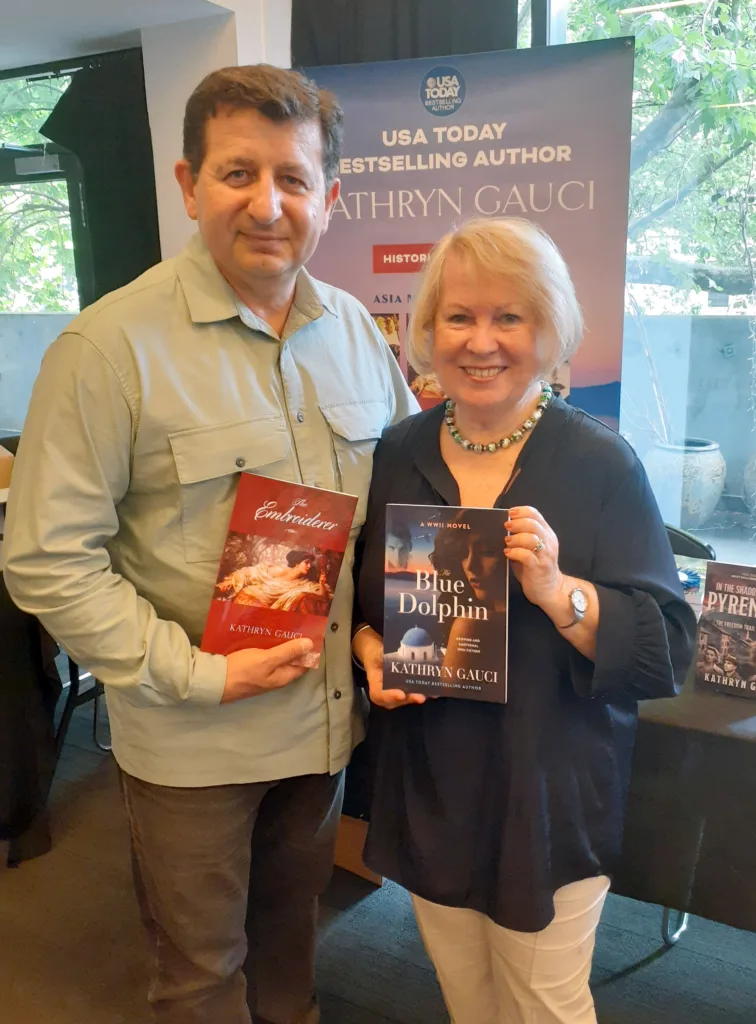
Many of these book titles can be found at the Bilingual Bookshop in Kogarah, Sydney or at the Greek Community Centre’s Bookshop in Melbourne.
Dr John Martino, awarded First Place in the ‘CIBA Chanticleer International Book Awards’ – ‘Chaucer’ historical fiction division for Olympia: Birth of the Games which has been a solid seller internationally. He is also a former military officer.
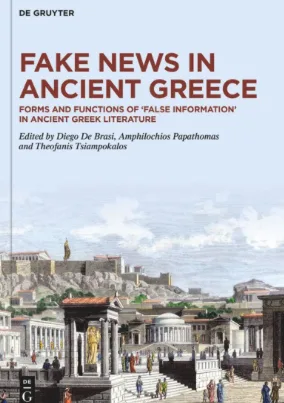
- Fake News in Ancient Greece Diego De Brasi, Amphilichios Papathomas and Theofanis Tsiamokalos
Fake news is nothing new to us. We hear that term applied to many politicians and the media. It has a long history. Many colleagues have conducted studies about this “phenomenon” with ancient Rome. Greece however has received limited attention despite its long history of politics, written work and oratory. The authors of Fake News pinpoint parallels and differences between modern fake news and the ancients. They explore concepts including: “To what extent does reflection on the concepts of truth, lie, and opinion influence ancient Greek political-rhetorical discourse? What is the political or social function of embedding ‘misleading information’ in ancient Greek historiographical texts or pamphlets?”
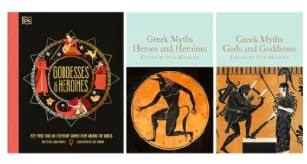
- Goddesses & Heroines: Meet More Than 80 Legendary Women from Around the World plus Greek Myths: Heroes and Heroines and Greek Myths: Gods and Goddesses, J Menzies
2023 was an enormously productive year for Dr. Jean Menzies. And a delightful one in terms of not just Greek mythology, but capturing the folklore of significant female deities and heroines from across the spectrum of the human experience 2023 was an enormously productive year for Dr. Jean Menzies, and not just Greek mythology, but capturing the folklore of significant female deities and heroines from across the spectrum of the human experience.
Menzies authors that work, ably assisted by some 13 academic consultants working outside of her speciality to convey a ‘canonical’ version of the folklore, legends or myths of these globally-renowned women, she acts as editor for the two macrominiature books she has had released on mythical Greek heroes and heroines and gods and goddesses. Both are equally delightful as the large, illustrated edition – which is primarily targeted towards a youthful, pre-teen audience – although these mini- or pocket-books are more scholarly fare, suitable as appetisers to the core myths of the ancient Hellenes. Where her work on gods and goddesses again deploys a rubric system (with the tales collected under such category-titles as ‘Creation’, ‘Lives’, ‘Anger’ and ‘Rewards’), the other literary handful of tales operates on a less collectivised, story-by-story basis. Herein we find the stories of Cadmus and Europa, Bellerophon, Perseus, Heracles, Icarus and Phaeton, amidst many others, with each being conveyed to us by a different, specialist contributor.
Menzies is ably assisted by some 13 academic consultants working outside of her speciality to convey a ‘canonical’ version of the folklore, legends or myths of these globally-renowned women, she acts as editor for the two macrominiature books she has had released on mythical Greek heroes and heroines and gods and goddesses. Both are equally delightful as the large, illustrated edition – which is primarily targeted towards a youthful, pre-teen audience. We find the stories of Cadmus and Europa, Bellerophon, Perseus, Heracles, Icarus and Phaeton, amidst many others, with each being conveyed to us by a different, specialist contributor.
Menzies has put forward two compellingly different ways of looking at Greek mythology within these three books: in her pictorial work, she places these sacred tales alongside the myths of numerous other powerful women for the reader to contrast and compare (and, of course, to delight in); while her two macrominature works give us quite an extraordinary glimpse into the mindset of mythographers who were at the forefront of reviving the Greek world from its long period of somnolence in the English- speaking (and reading) world, with profound implications for how this revival would shape the contemporary and future West.
Omnia in omnibus, Menzies has made a healthy contribution to the contemporary pleasure we still extract from the myths of the Greeks – and of those even more exotic – whether that reader should be youthful or one simply wishing to enjoy those eras when the fine art of storytelling was still in its youth Menzies has put forward two compellingly different ways of looking at Greek mythology within three books: in her pictorial work, she places these sacred tales alongside the myths of numerous other powerful women for the reader to contrast and compare, while her two smaller works give us an extraordinary glimpse into the mindset of mythographers who were at the forefront of reviving the Greek world from its long period of somnolence in the English-speaking world, with profound implications for how this revival would shape the contemporary and future West.
Honourable mentions:
- Leave the Gun, Take the Cannoli, Mark Seal
Published in 1969, the incredible tale of The Godfather detailing the making of the Academy Award-winning, The Godfather.
- Miracula: Weird and Wonderful Stories of Ancient Greece and Rome, Paul Chrystal
An entertaining and sometimes lurid collection, this book is perfect for all those fascinated by the stranger aspects of the classical world, history enthusiasts, and anyone interested in classical history, society and culture.
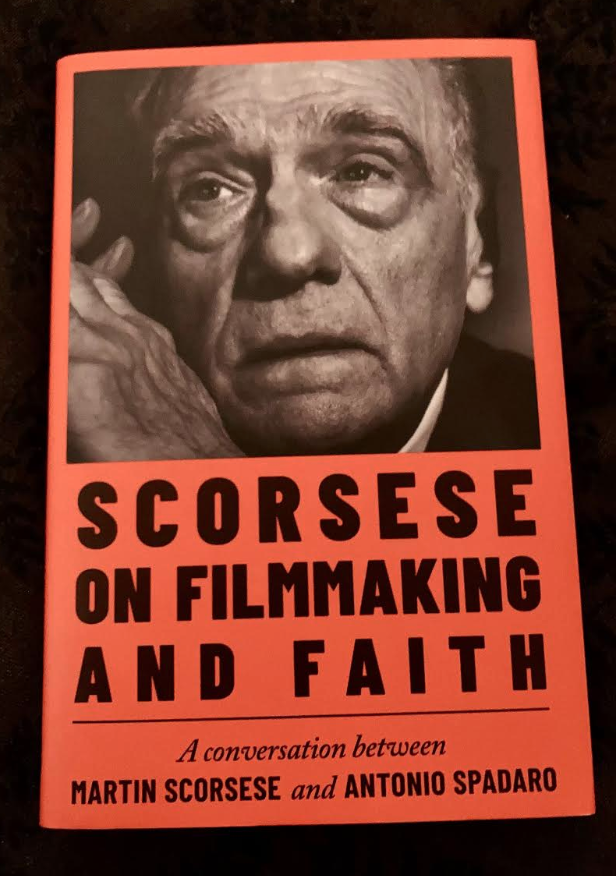
- Scorsese on Filmmaking and Faith, A conversation between Martin Scorsese and Antonio Spadaro
Over the course of eight years, Martin Scorsese and Jesuit theologian Antonio Spadaro discussed filmmaking and faith.
From his Catholic upbringing amidst the brutality of 1950s New York to the heights of Hollywood, Scorsese sketches a unique self-portrait. And from Mean Streets to Killers of the Flower Moon – and especially the spiritual reckonings of The Last Temptation of Christ and Silence – he grants readers a new understanding of his films.
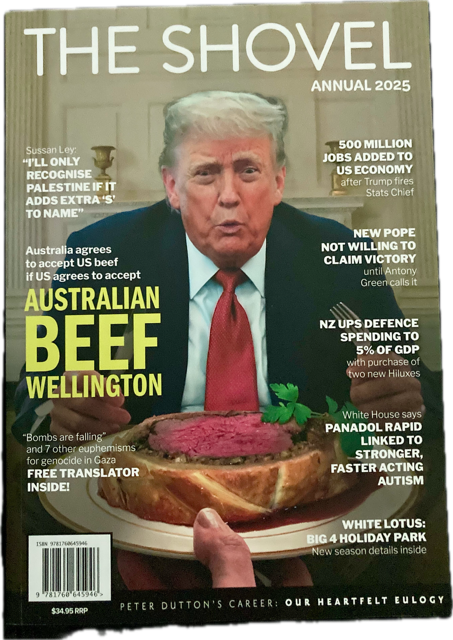
- 2025 The Shovel, – a 132-page satirical summary of the year, from Trump to adding “500 million jobs” to the US economy!
Historian Jim Claven OAM has offered an eclectic mix of old and new books for his summer reading list, even reaching back into his library to some old favourites.
- Mother Land, Dmetri Kakmi
I read this book by Australian-Imbrian writer Dmetri Kakmi many moons ago and it sparked in me an interest to visit the Island of Imbros in the Northern Aegean. The book is a lovely elegy to a previous era but too far distant that one can’t feel connected to the emotions expressed. A mixture of history, autobiography and fiction, the book tells the tale of life for Greek Orthodox community on Imbros, their lives and struggles, hopes and dreams, lies and truths, as the narrator travels back to learn the truth about his family’s life there. I loved this book and highly recommend it.
- An Odyssey – A Father, a Son and an Epic, Daniel Mendelsohn
This memoir has some clear parallels with that of Dmetri Kakmi’s work. Again, it is a story of inter-generational discovery, of a father and son connecting through the reading of Homer’s Odyssey. Daniel – a university lecturer on the subject – is joined by his father Jay who takes part in his son’s class on the work. For the father, who after years of work and now retired it is a chance to learn about the great works of literature. But for the son, it is also a chance for learning, to re-connect with his father and gain an understanding he has lacked. The book recounts their journey together following the route of Odyssey’s as they engage with each other until they reach a final reckoning. A touching book for all who seek connection to the distant and obscured world of their forebears.
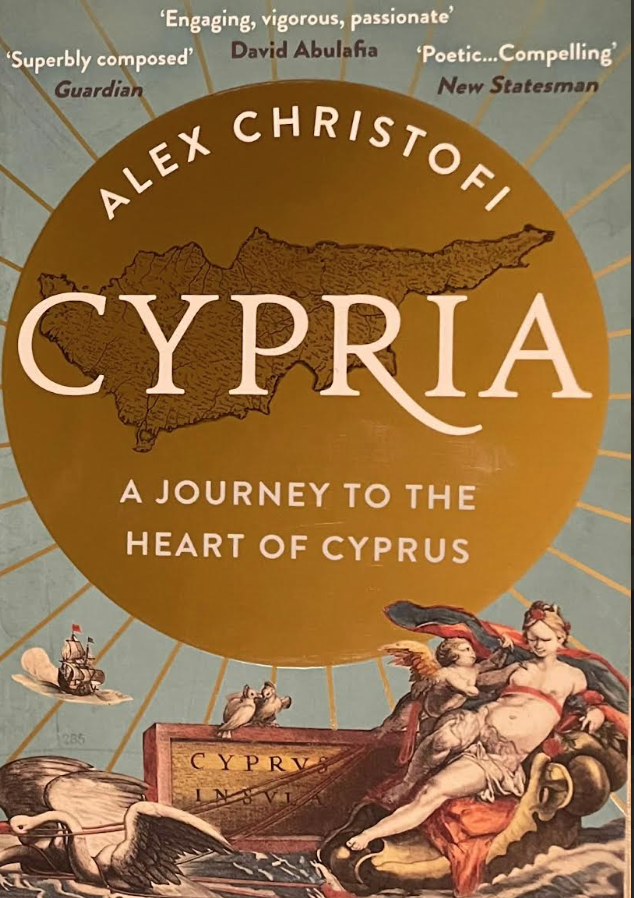
- Cypria – A journey to the heart of Cyprus, Alex Christofi
I’ve always had an interest in the eastern Mediterranean Island of Cyprus, with its beautiful environment and culture, with a rich and yet turbulent history. It might have been all the Cypriot kids I befriended at my local high school – or maybe it was just a love of Commandaria wine! Anyway, this is an engaging cultural and political history of the Island. The author is of Cypriot-British heritage and recounts the story of Cyprus in a very personal way, with sensitivity and wit. He touches on its ancient past, medieval and Ottoman eras, the arrival of the British and independence as well as the Turkish invasion to the current era. It is a love letter to Cyprus across time. Reading it encourages me to return myself.
- The Dream of Europe, Geert Mak
For those readers familiar with this author, they will not be surprised at the size and depth of this his latest offering. The author has brought forward the topics of his previous volume titled simply In Europe. Geert brings his journalistic eye in this work of contemporary history. Standing at over 600 pages – a fitting companion to its over 860-page predecessor – this is a magisterial work on the struggles and challenges facing Europe and Europeans between 2000 and today. From the relative optimism of the millennium, he charts the more uncertainty times that Europe has found itself as it weathered a major financial crisis, the expansion of the EU, the Greek financial crisis and Brexit and the refugee crisis. Geert offers an individual experience of life in Europe, drawing on his many travels across the continent and interviews with ordinary people from Norway to Greece, Britain to Poland and the Baltic States. It is not a pessimistic book. We see Europe and its people making progress, often in difficult circumstances.
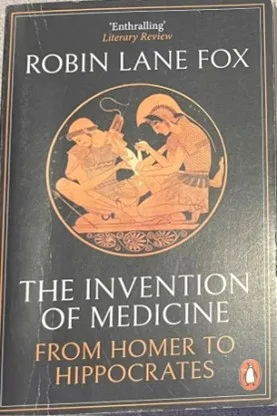
- The Invention of Medicine – From Homer to Hippocrates, Robin Lane Fox
Ever since I sat under Hippocrates’ tree on the Island of Kos, I’ve been interested the classical connection to the development of medical science. The author has spent his life writing about the classical era and in this volume, we find him stretching back to Homer/Classical Greece. He tells of the role of early medicine and healing in Ancient Greece. Delving into a vast array of sources, he describes the experience of these early practitioners and that of their patients. The volume is a reminder of how human knowledge is one in which we build on the ideas of the past. For anyone who has wondered around one of the many Asklepion that dot the Ancient Greek world, this book will be an eye-opener.
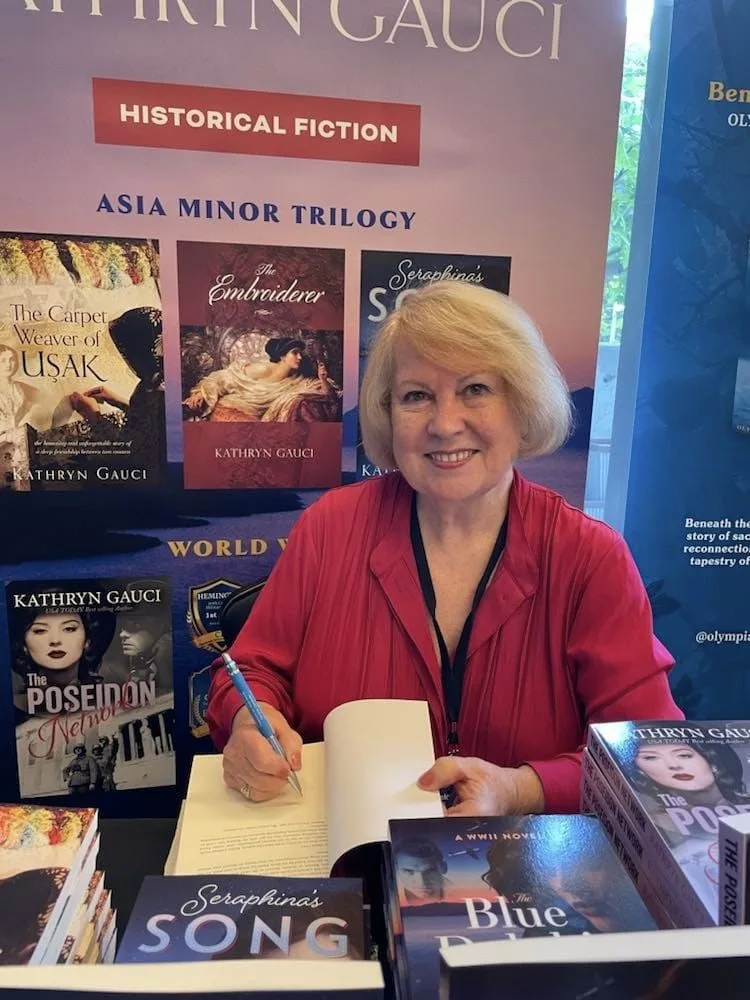
Kathryn Gauci, is a leading author who specialises in Greeks and Greek themes. Kathryn is a Melbourne-based USA Today Bestseller Author with over 15 book titles to her credits.
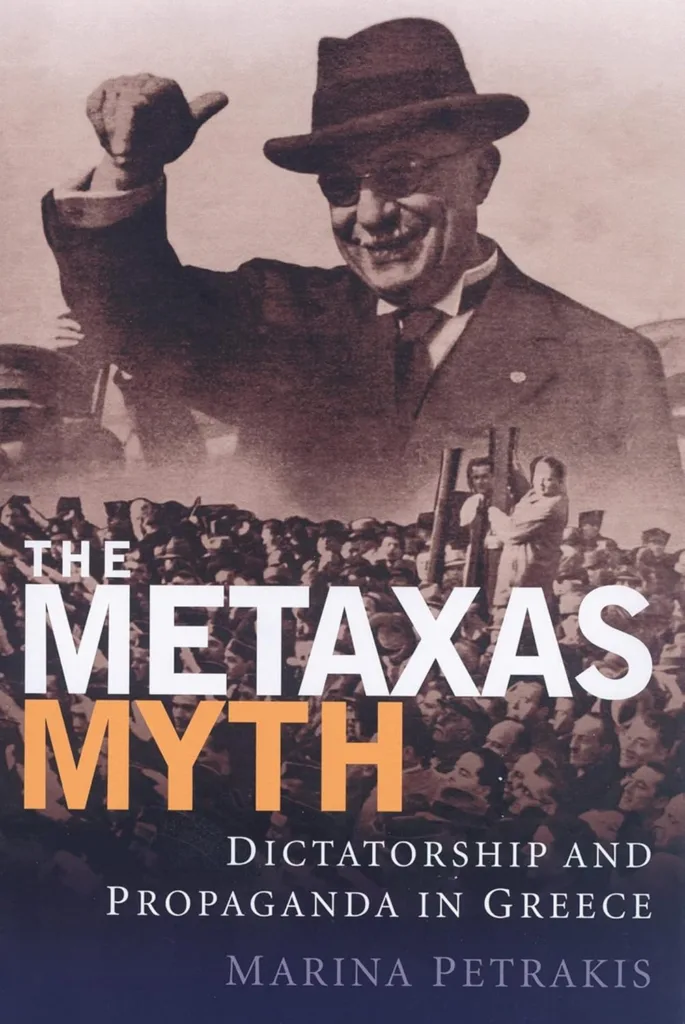
- The Metaxas Myth: Dictatorship and Propaganda in Greece by Marina Petrakis
I read this while researching my novel, The Poseidon Network. Although my novel begins with World War II, I needed to understand the background of Greece leading up to it.
It gives an insight into his authoritarian rule and admiration for Germany’s strength. He admired Goebbels’ propaganda machine and set about establishing similar propaganda in Greece., particularly with EON, Ethnikos Organismos Neoleos (National Youth Organisation) and Press propaganda. “When I established the ‘Fourth of August’ State, it was You, The National Youth that I mostly had in mind.”
- Tobacco, Arms & Politics by Mogans Pelt.
This book explores the relationship between Greece and Germany in the decade prior to WWWII. It shows how Germany used Greece in the arms build-up, even to the point of using Greece to supply arms to Franco in Spain.
This book also describes the rise of one of Greece’s richest men, Prodromos Bodosakis-Athanasiadis, who once owned the Pera Palace in Istanbul. In the 1930s, his company, the Powder and Cartridge Company, (Elliniki Etairia Pirtopiiou ke Kalikopilou) was one of Greece’s largest and most modern enterprises.
- A Prisoner of War’s Story by Stratis Doukas translated by Petro Alexiou.
Smyrna, September 1922. A classic tale of survival of an Anatolian Greek, forced to navigate the aftermath of the Greek-Turkish War by pretending to pass as a Muslim Turk.
Dr Nick Dallas, is a well-travelled leading educator, writer, author, who also helps coordinate the GCM Greek Bookshop in Melbourne
- Thessaloniki and the many kitchens of Northern Greece, Meni Valle
Thessaloniki celebrates the diverse ingredients, stories and traditions that shape Northern Greek cuisine. Through 70 regional recipes and evocative imagery, Meni offers an authentic taste of one of Greece’s most fascinating food cultures.
- Greek Folk Songs, (translated by) Joshua Barley
The Greek folk songs Dimotika Tragoudia in Greek are songs of the Greek countryside, from island towns to mountain villages. They have been passed down from generation to generation in a centuries-long oral tradition, lasting until the present. They are songs of every aspect of old Greek life: from love songs and ballads, to laments for the dead, to songs of travel and brigands. Written down at the start of the nineteenth century, they are the first works of modern Greek poetry, playing a crucial role in forming the country’s modern language and literature. Still known and sung today, they are the Homer of modern Greece. This new translation brings the songs to an English readership for the first time in over a century, capturing the lyricism of the Greek in modern English verse.
- The Well-Dressed Revolutionary, Hall Greenland
Born in Alexandria in 1911, Pablo became a leading, and controversial, even heretical, figure in revolutionary Marxist circles from the 1930s onwards. Throughout the 20th century he – and his partner, Elly Diovouniotis – were active in popular revolutions around the globe. An interesting insight into that era, ideologies and Marxism.
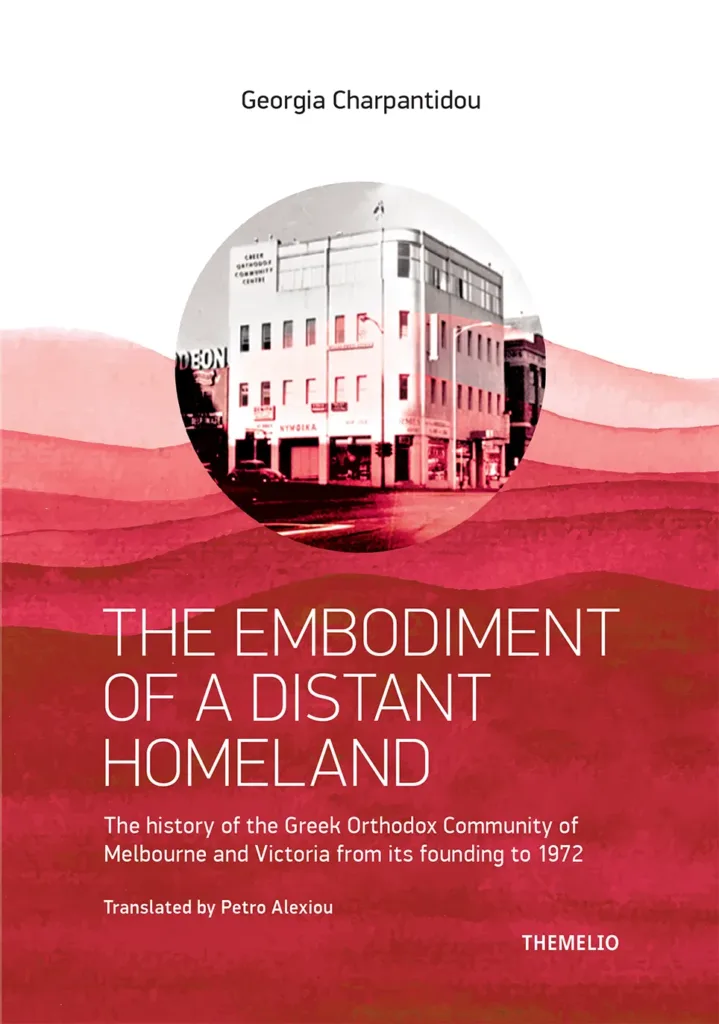
- The Embodiment of a Distant Homeland
The History of the Greek Orthodox Community of Melbourne and Victoria from its Foundation to 1972’, published by Themelio in 2022. This book chronicles the historical journey of the Greek Orthodox Community of Melbourne and Victoria (GOCMV) from its establishment in the late 19th century until the early 1970s, focusing on the social, cultural, and economic conditions that shaped the immigration and settlement of thousands of Greeks in Australia. The GOCMV remains the oldest institutional representative of the Greek diaspora in Australia, serving as a perennial reference point and rallying point for the community. It represents a familiar form of organization within the Greek diaspora, grounded in national and religious identity.
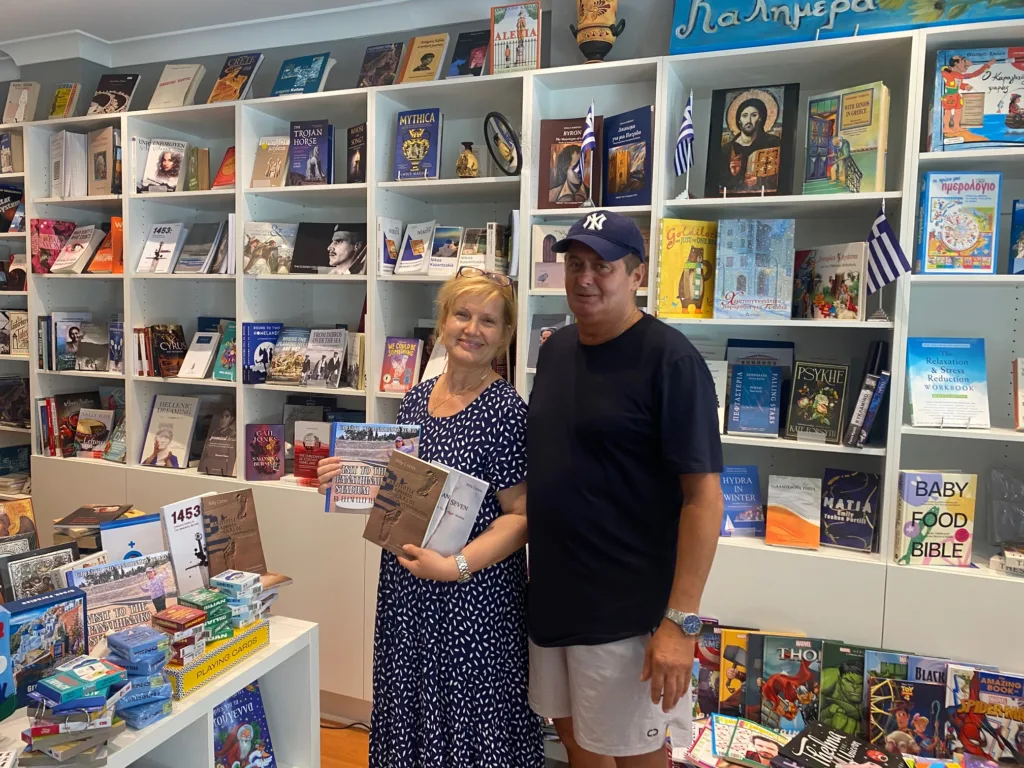
Katerina Vetsikas, is a dedicated Greek language educator, serving as a Greek Education Officer at the Sydney Institute for Community Languages Education (SICLE) at the University of Sydney, supporting curriculum development, professional workshops, and teacher coordination for Greek language programs across NSW. Katerina, with her husband John, owns the Greek Bilingual Bookshop in Kogarah, Sydney. Katerina says, “Who can be your Best Friend? Only a Book is your Best Friend!”
- Hydra books, Shelley Dark
A distinguished author, Shelley Dark seamlessly combines rigorous historical research with engaging storytelling. Her visit to the Greek island of Hydra inspired Hydra in Winter, written while researching her husband’s great-great-grandfather, the pirate-convict Ghikas Voulgari. Building on this research, beautiful Shelley later authored Son of Hydra (November 2025), a historical fiction novel grounded in archival sources. The novel traces Ghikas Voulgari’s journey from a proud aristocratic youth to a man confronting exile, identity, survival, and love, particularly through his relationship with Mary Lyons, an Irish orphan.
- The Lucky Sisters, Rachel Johns
Bestselling Australian author Rachael Johns has released her latest novel, The Lucky Sisters, published October 2025. The heartfelt contemporary fiction follows adopted twins Nora and Stevie Lucky, whose close bond is tested after their mother’s death and a life-changing discovery in the search for their biological parents… “The Lucky Sisters” has been widely praised for its richly drawn characters and moving narrative, marking one of Johns’ most ambitious and layered works to date.
- The Dopamine Brain, Dr Anastasia Hronis
A science-backed nonfiction guide that explains how the brain’s (September 2024), dopamine reward system shapes our habits, choices and behaviours — and shows readers how to live with intention rather than impulse.
- We could be something, Will Kostakis
This critically acclaimed young adult novel by Australian author was published in 2023, winner of the 2024 Prime Minister’s Literary Award for Young Adult Fiction. The story follows two Greek-Australian young men in Sydney: Harvey, whose family life is upended by his fathers’ separation as he moves in with relatives above a café, and Sotiris, a teenage novelist whose early success falters.
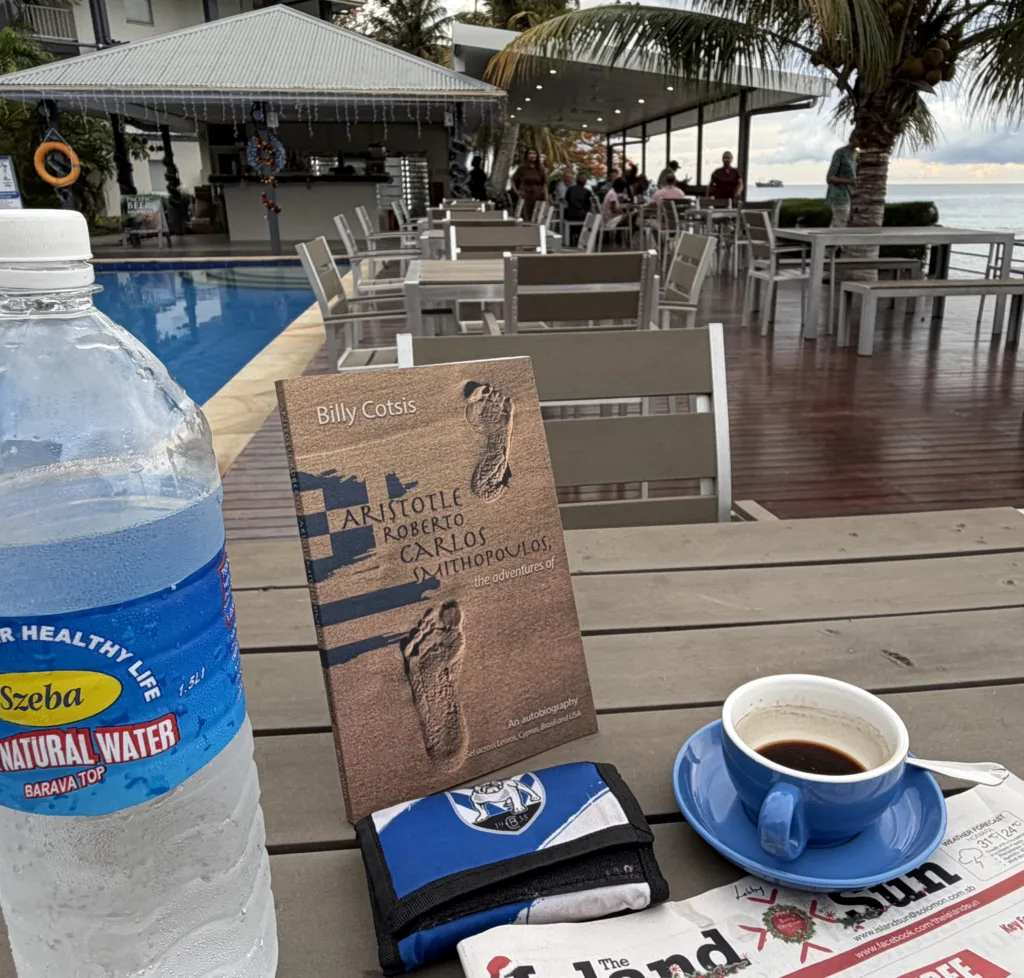
- The Adventures of Aristotle Roberto Carlos Smithopoulos, Billy Cotsis
An “autobiography” set across Lesvos, Cyprus, Brasil, Colombia and USA, from 2025. The story is set in a time of the Greek Junta and the Brasilian Dictatorship.
- Visit to the Panathinaiko Stadium, Eleni Elefterias:
An engaging bilingual children’s book that introduces young readers to one of Athens’ most historic landmarks — the Panathinaiko Stadium. Written in both Greek and English. Framed around the journey of the author’s granddaughter, Mali, the narrative takes readers on a vivid exploration of the iconic marble stadium — renowned for hosting the first modern Olympic Games in 1896 — using clear text, fun facts and photographs that bring the site to life.
Honourable Mentions:
- Don’t Cry, Dance: a memoir of war, love & forgiveness, Nina Angelo
- Children’s books: Polymnia & Yiorgos by Michele Kiosoglou and Phillippa Adgemis: available in both Greek and English.
- Matia by Emily Tsokos Purtill.
- Dancing the Labyrinth, Karen Martin
- Lots of Greek Crosswords– Grifos
- Greek Kazamias 2026
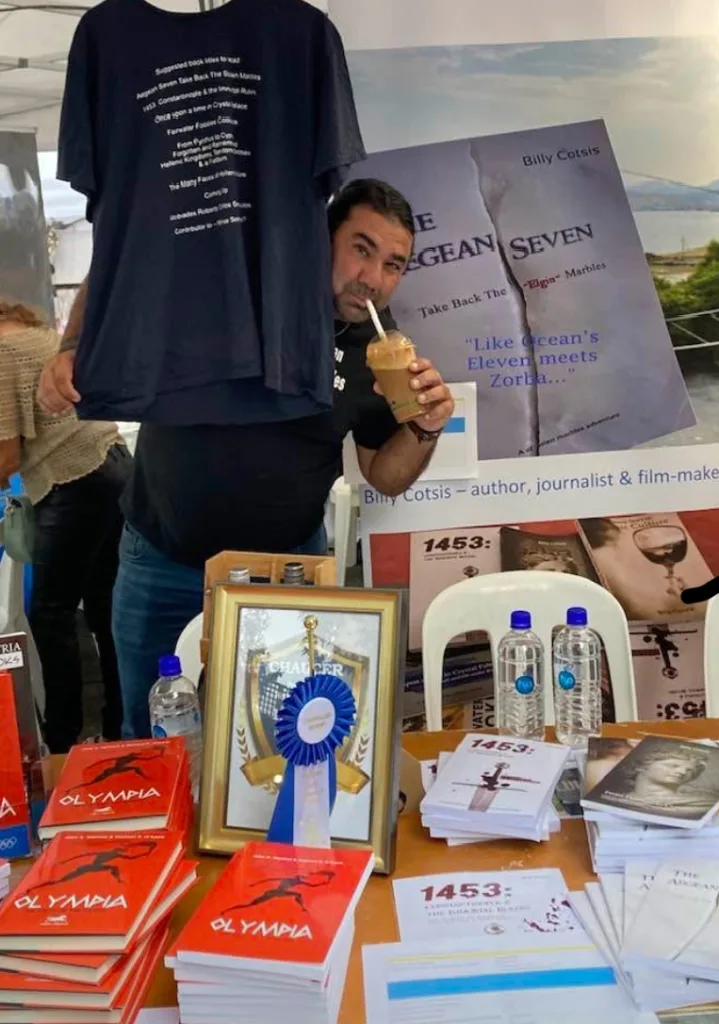
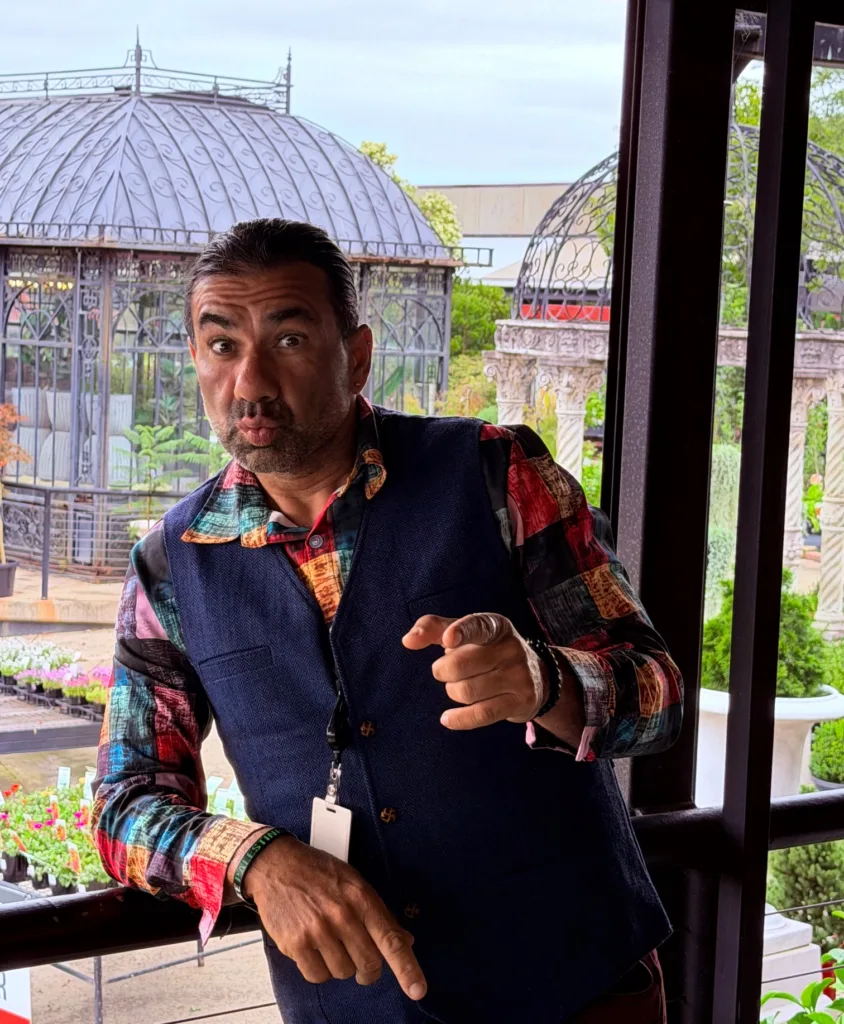
Billy Cotsis is an award-winning documentary filmmaker, author of seven books and former presenter on Meraki Tv. His latest is a fictional “autobiography” of a character called Alcibiades Roberto Carlos Smithopoulos, set on Lesvos, Cyprus, Brasil and USA.
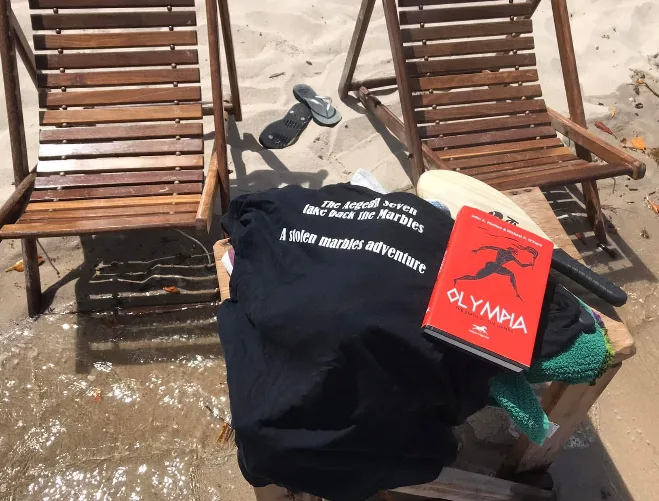
- Olympia: The Birth of the Games by Dr John Martino
I can’t go past Dr Martino’s Olympia. I read it when I was in Brasil a couple of years and it became my travel companion as I lapped up the shores of Brasilian beaches and rivers. The book took me on a round trip through history, from the modern Games to the ancient epoch and back again, while providing stories real or imagined of how the Games were “birthed.” Greek mythology and the use of geography, as John takes the reader to Africa, left an imprint on my mind. I know John recently launched his audio book, which I am looking forward to listening to on a quiet night.
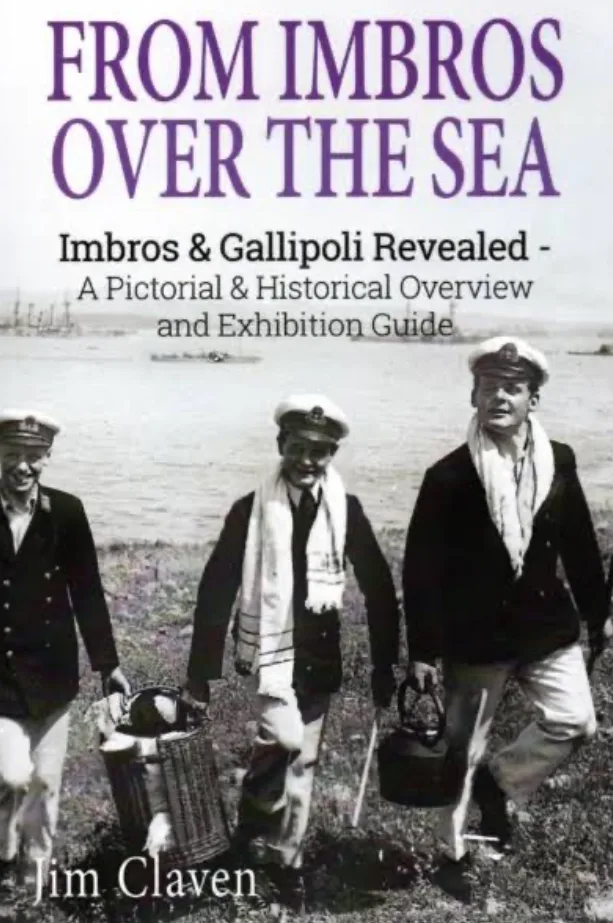
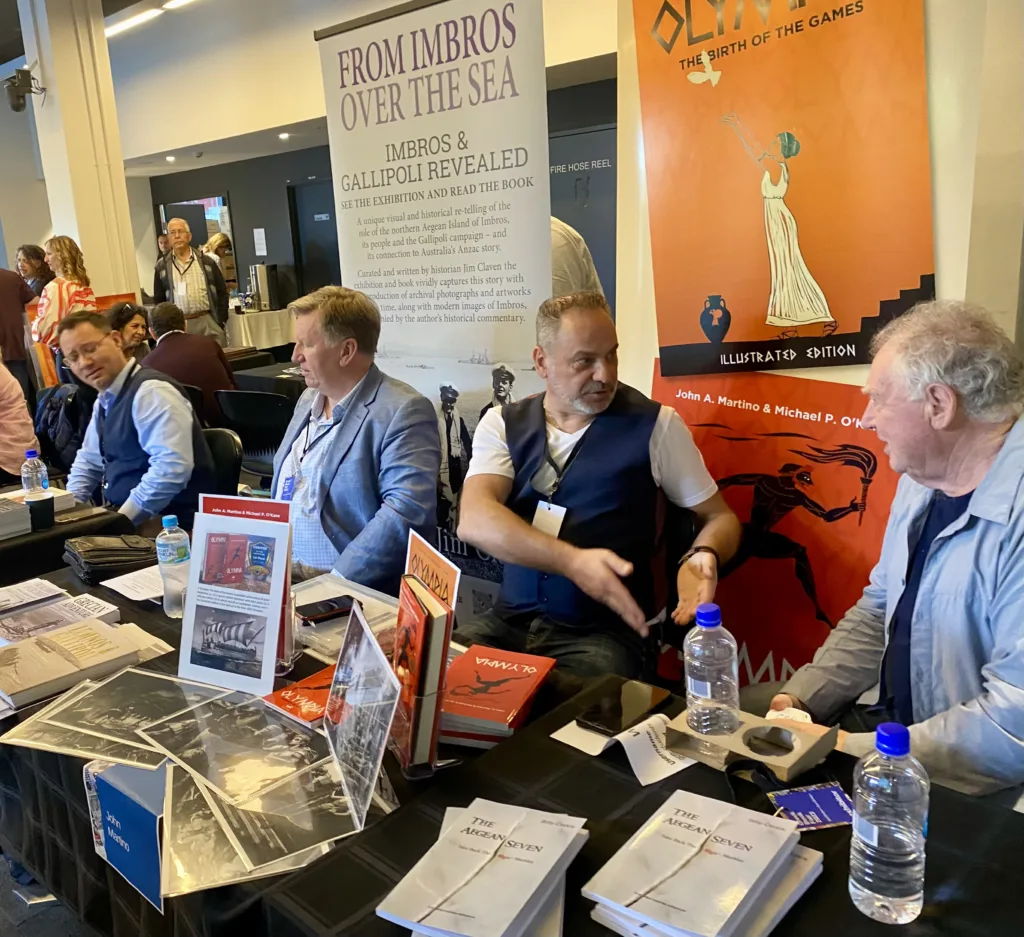
- From Imbros Over The Sea: Imbros & Gallipoli Revealed by Jim Claven, OAM
It is no secret that I am fan. Jim is far more knowledgeable of Greek matters than most, including me. This book tells the story of the island of Imbros and the significant role it played in the Gallipoli campaign (1915-16) at a time when Greece was neutral. Imbros hosted hundreds of ships and thousands of Allied soldiers/sailors throughout the nearly twelve months of the campaign, including many Australians. Aussies being Aussies, they made their way across the island meeting locals and enjoying the hospitality.
The book comprises important photographs relating to the Imbros-Gallipoli story and it is a reminder that until 1923 (technically), this was a Greek island.
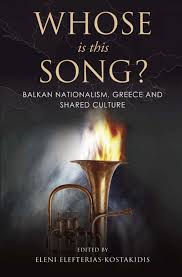
- Whose is this Song? Balkan Nationalism, Greece and Shared Culture by Eleni Elefterias and friends
The book is history in the making, as this lineup is one to behold! Edited and led by singer and author Eleni Elefterias, it includes some of the finest Greek-Australian writers from this century. With support from Dr Alfred Vincent, former head of Modern Greek Studies at USYD, Eleni invited experts in their fields to write chapters for the book in addition to Dr Vincent and herself: the charismatic Professor Vrasidas Karalis, Dr Helen Vatsikopoulos, Dr Michael Karadjis, Professor Marian Tutui, Jorge Sotirios, Costa Vertzayias, Professor Nicholas Doumanis, George Michelakakis and yours truly who wrote a chapter about Greeks in the Balkans. Foreword is by Mary Kostakidis. I have also contributed a chapter.
Melbourne playwright/author Karen Martin has produced a number of quality works via the theatre as a director a writer. Delphi is a feminist novel, her title in the Women Unveiled series and continues the journey of Cressida, the protagonist, as she returns to Crete and seeks guidance from the Oracle of Delphi to confront and heal the wounds of her past.
Dean Kalimniou, Melbourne’s most important citizen since the city was established was the keynote speaker at the recent launch of the novel, praising Martin’s work as profound and an exploration of psychological trauma and memory. He knows his books, and I tend to agree with him.
- The Librarian of Cappadocia, Dean Kalimniou
Dean is an excellent poet of repute and short story writer, musician, translator of a number of Greek books to English, public speaker, endless Facebook contributor and “part time” lawyer. He was first published in 2003 as a poet and hasn’t looked back since, unless I am chasing him!
This year the multi-talented Dean published his second children’s book, “The Librarian of Cappadocia” which is an enchanting story of the quest for knowledge and the unexpected source of the fulfilment.
- The Invisible Thread by Maria Stefanidis
From the Outback, Cyprus born Maria Stefanidis lives with her husband and blind dog, and loves to write. A decade ago she followed her passion into writing, leading to her 2023 acclaimed novel, The Invisible Thread. This an epic tale of forbidden love, hope, self-sacrifice and heroism. Add into the mix a time of social and racial injustice, and extreme hardship and the value of family and you have a page turner.
- Escape from Asia Minor, Michail Angelou, translated, edited by Aris Tsilfidis
As a grandson of a survivor and refugee from Asia Minor, this is a tearjerker for most. The heartbreaking story and accounts from an Ottoman era Greek who served as a chemist in the Ottoman military in WW1. The book gives you a firsthand view of what was unfolding in the lead up to 1922.
Honourable mentions:
- 1821 Costa Vertzayias, one of Australia’s finest writers of Greek history
- Little Athens Vasilis Vasilas, a great pictorial overview of Marrickville and it’s Greek history.
- Salonica, City of Ghosts: Christians, Muslims And Jews, 1430-1950 Mark Mazower, essential reading for a great city, tragic history particularly around the Holocaust