
Hi everyone, welcome back to SportsVerse, my twice-weekly newsletter that tells stories you can’t find anywhere else about the intersection of sports, fashion, business, and culture.
Being in San Francisco in the days leading up to the Super Bowl felt a lot like attending fashion week, just without a schedule. Several brands from the fashion and sportswear industries made their presence known around town in a bid to capture the valuable audiences of athletes, fans and consumers who descended on the city.
Those brands included big hitters like Nike, Adidas, Levi’s, Thom Browne, Abercrombie & Fitch, and Alo Yoga. Other brands, like Zara and Raul Lopez’ Luar, won the holy grail of dressing Halftime Show performers (Bad Bunny and Lady Gaga, respectively). Other designers, like Colm Dillane, looked to get in on the act by creating custom designs for VIPs attending the game (in this case, his Kid Super brand made a bespoke jacket for Odell Beckham Jr).

As I said in January, the Super Bowl is increasingly resembling a fashion week of sorts. And considering the level of brand activity last week, as detailed above, I’m even more confident in that assertion.
Whereas in previous years, several fashion businesses opted for the very expensive task of running Super Bowl ads — like Nike and On did in 2025 — this time around, brands chose more creative and less costly ways to cut through the noise at one of sport’s most coveted events.
Adidas had the perfect Super Bowl. Their star collaborator Bad Bunny was one of the most talked about Halftime Show performers of all time. For the performance (and the pre-performance media appearance), he proudly wore his newly launched debut Adidas signature sneakers, the BadBo 1.0s. It served as the best possible launchpad for a non-athlete signature sneaker, perhaps of all time. Meanwhile, backup dancers were also decked out in Adidas x Bad Bunny ballerina kicks. Search activity for Adidas exploded almost instantly, according to the oracle that is databutmakeitfashion.
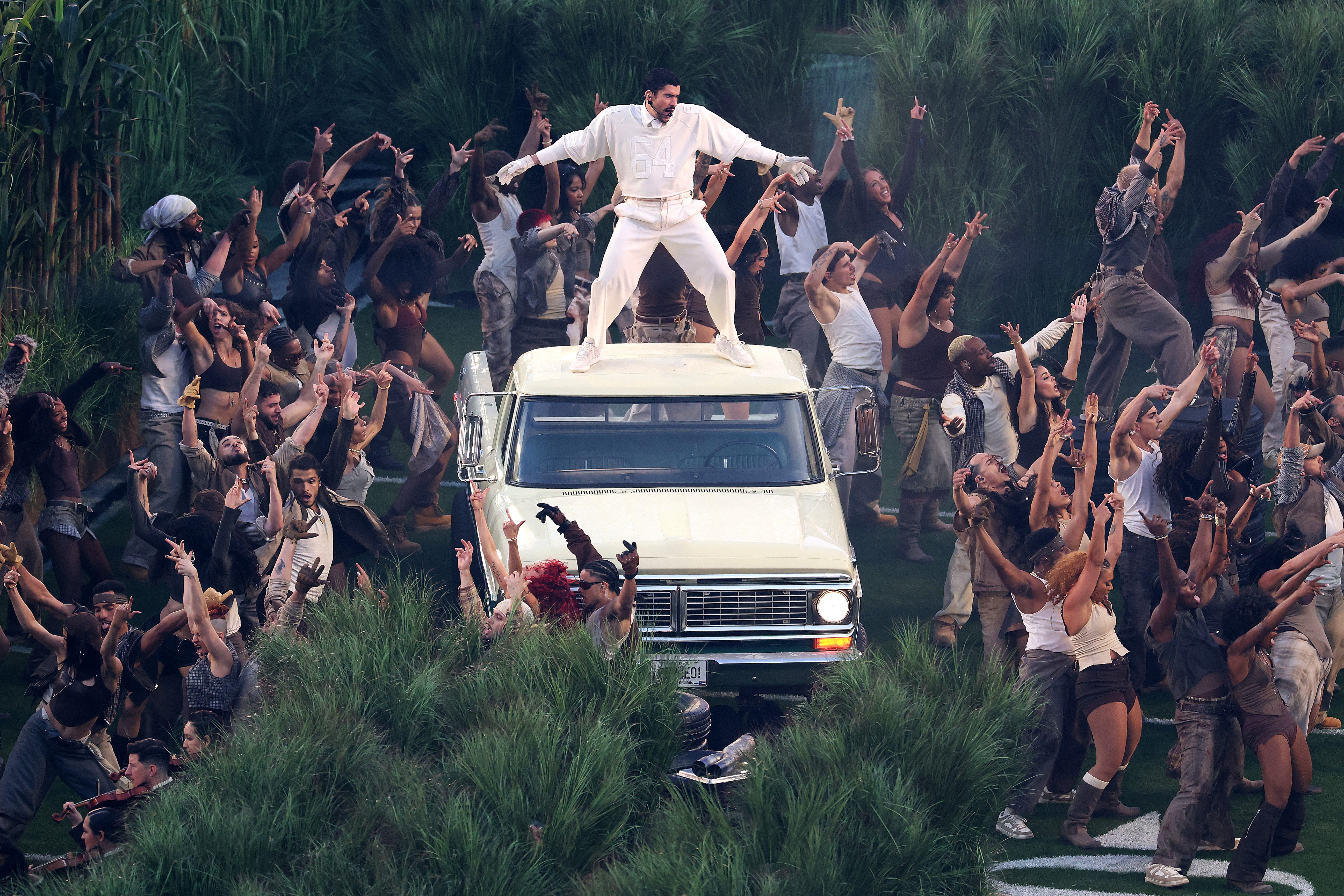
According to Launchmetrics, Bad Bunny’s performance in his new Adidas sneakers generated the brand $1.6 million in MIV, a metric measuring the marketing value of cumulative mentions across different media formats. Mentions of Bad Bunny accounted for 39 percent of total Super Bowl coverage online, also per Launchmetrics.

I already wrote extensively about what was at stake for Adidas ahead of the Super Bowl, which you can find here and here, but it’s clear that the brand (through a combination of savvy strategy, quick thinking and good fortune) executed the perfect Super Bowl weekend.
Last year, Nike went big with its first Super Bowl ad in several decades, using the moment to launch its So Win campaign, which struck an empowering tone and was designed to put the voices of its female athletes at the center of the brand’s narrative. As I wrote at the time, it made a lot of sense.

The company was reannouncing itself under new leadership after a turbulent few years, and wanted to underscore its dual intention to put its athletes first once again, and also to better serve female consumers.
This year, the brand opted for a different strategy. I think it was smart to pull back from investing in another ad. Last year’s was so effective because of 1) where the brand was at — it needed a big catalyst to kickstart its cultural revival, and it was the best platform to communicate that messaging to the world; and 2) because of the novelty factor — it was Nike’s first Super Bowl ad in 27 years. To run another one a second year in a row for the sake of it simply wouldn’t have had the same impact.
Last week, Nike opted for a multi-pronged approach instead. The brand took over a fancy restaurant building downtown, transforming it into its Athlete House, where it hosted over 80 of its athletes (both from the NFL and other sports). On the one hand, it was used as a base for the athletes and their families to hang out. But Nike also used the moment to bring its athletes closer to the brand — there were various gifting suites, pop-ups with Nike staff on hand to walkthrough athletes on certain products like the newly launched Nike Mind sneaker, as well as a bunch of Nike Vision eyewear products and an archival display of iconic Nike Football cleat designs from over the years.
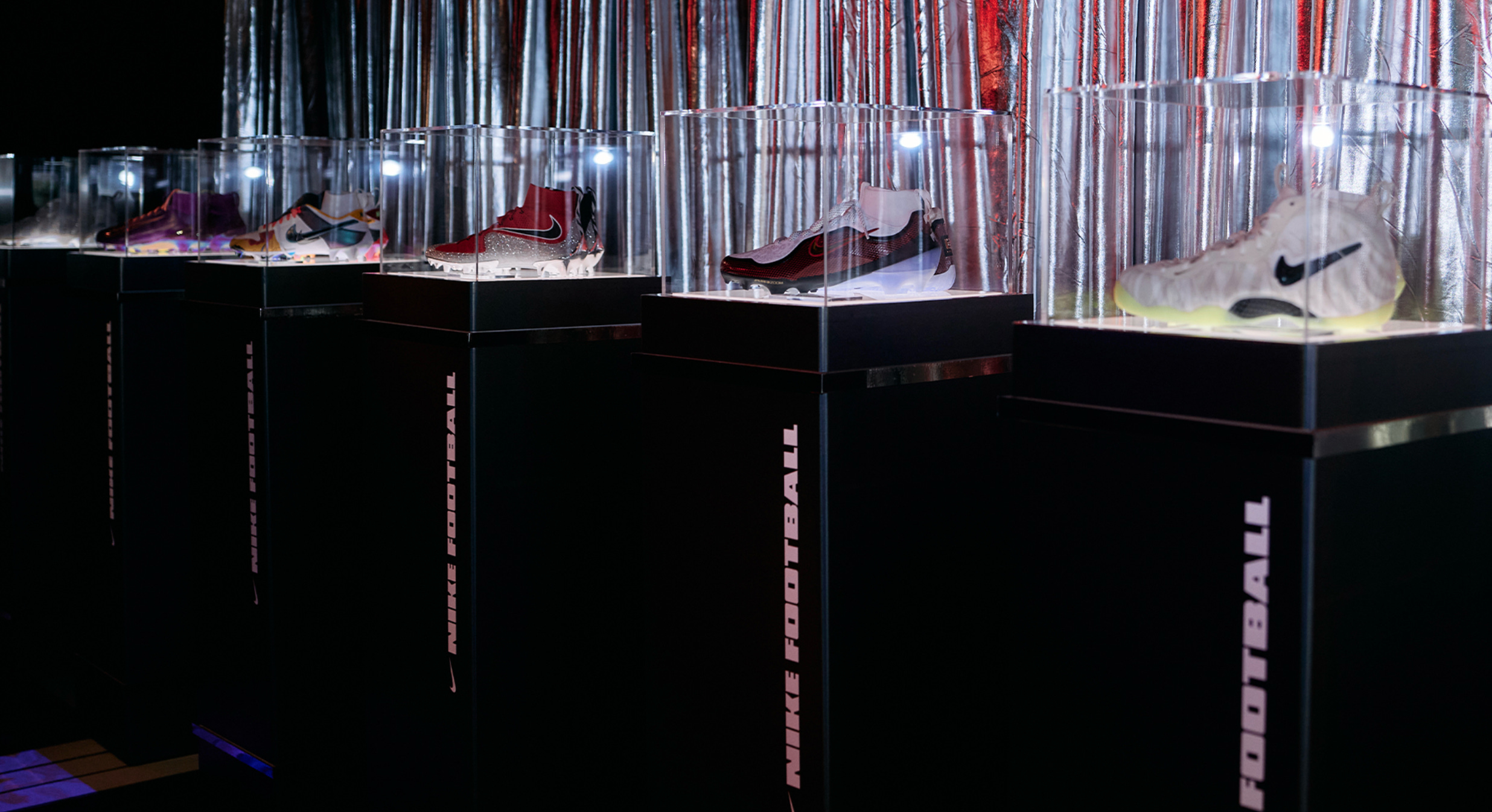
It was fascinating to me, as someone whose job it is to dissect the way brands market to consumers. It made me realise I had overlooked the importance of how brands market their appeal (and that of their products) to their own athletes. It ties in with Nike’s commitment under CEO Elliott Hill to place athletes at the center of everything the brand does, from marketing to product.
On Thursday morning, after eating copious amounts of sushi at the Athlete House, I sat down to talk with Kyren Williams, a running back for the Los Angeles Rams. He spoke about how things like the Athlete House make a big difference, especially to athletes like him who are exploring their interests in fashion and styling.
“Often when we talk about sportspeople, people forget that we’re more than just athletes,” Williams said. “We also care about how we look and present ourselves off the field. I think Nike, with things like the Athlete House, allows us to be able to come in here, engage with off-field style, learn about the new [products] that are coming out for the upcoming season, both for lifestyle and performance.”
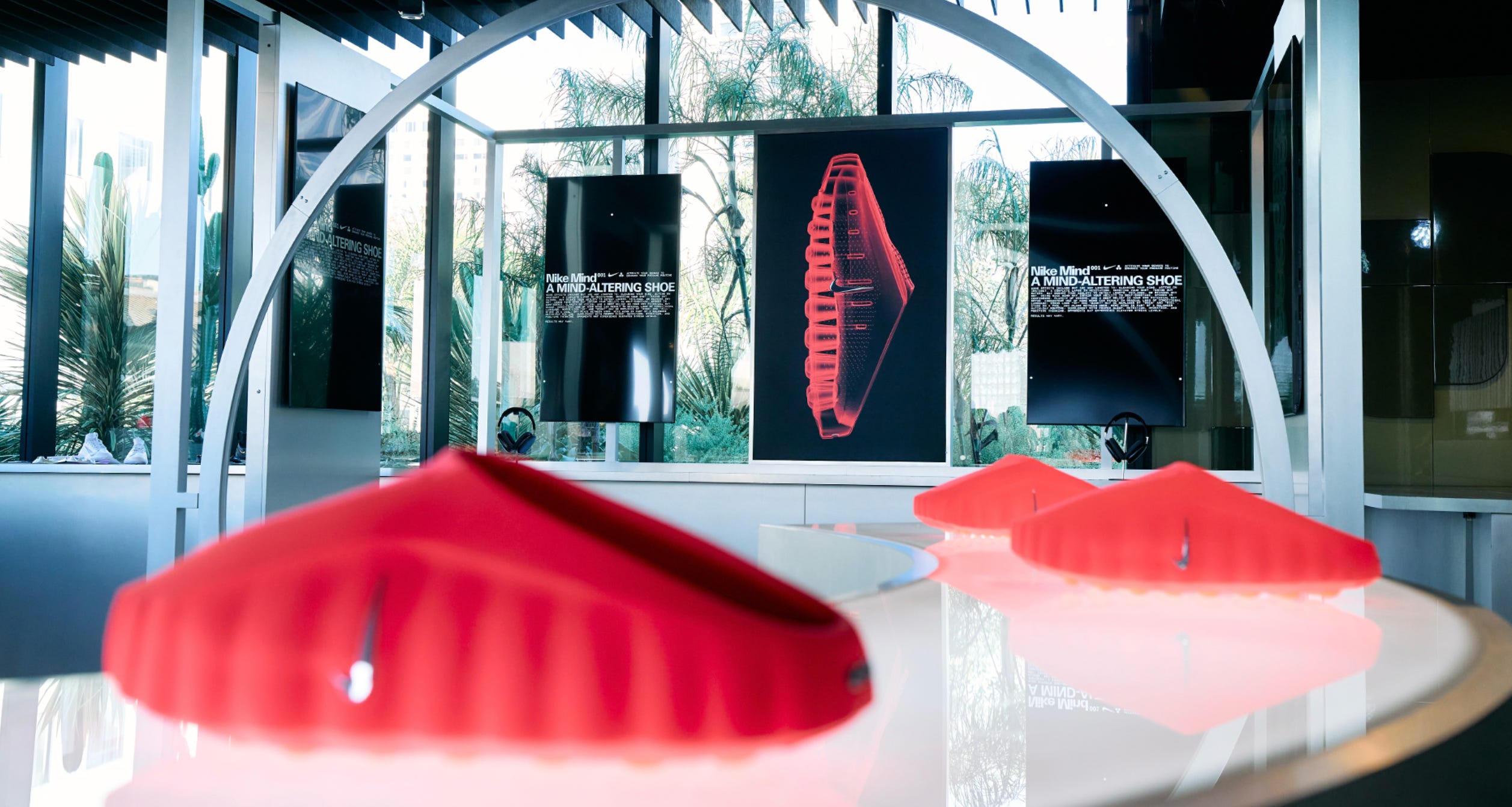
That same day, the multi-story Nike SF flagship store a few blocks away — which was well-decked out with Super Bowl-friendly activations and product displays, including a new collaboration with local designer Keith Herron — had people queuing around the entire block to get their hands on the latest colorway of Nike Mind, which had just hit the shelves. It was the perfect representation of how a brand can simultaneously engage its regular consumers and also its most prized athlete partners.
At Shoe Palace across the road, the brand also hosted a conversation with Deion Sanders, showcasing never-before-seen Deion PEs from his personal collection, and giving fans an early look at his son Shedeur’s debut PE cleat. It was yet another smart way to draw fans and consumers into the Nike universe.
Meanwhile, ahead of the Mexico vs USA Men’s flag football match last week, Nike deepened its connection to the sport set to debut at the 2028 Olympics by signing three leading federations: Canada, Great Britain and Mexico.
Nike didn’t run a Super Bowl ad, but nevertheless executed a strategic presence across the entire city in the days leading up to the big game.
That’s all for today, friends. Thanks for coming along for the ride.
See you soon,
DYM