
Quick Take
- Wildlife managers must calculate specific statewide bag limits to ensure an animal’s annual growth never tips into a permanent decline.
- Age ratios and population numbers that traverse states are only two of the considerations wildlife and hunting managers must consider.
- Higher animal density often triggers a population struggle in any given habitat, despite high numbers appearing more favorable to uninformed observers.
- Oregon officials require teeth submissions for cementum annuli aging in certain hunts and species, using this data to detect population shifts and gather key information not always readily available.
Hunting limits aren’t arbitrary—they‘re determined using highly specific data points. They are determined on a state-by-state basis, using population estimates, survival rates, reproduction rates, and uncertainty as their foundations, and then translated into rules that can be enforced in each field or hunting jurisdiction.
Accurate reporting is also a must for determining bag limits during hunting seasons, as any data gathered helps to feed population estimates and shape tag numbers for future seasons. But what data points are used and why? How do hunting bag limits shift each and every season, and what do the experts have to say about this process?
We spoke to an anonymous Oregon wildlife department representative for more insight into this intricate annual affair, learning more about bag limits and why they are so strict. While we got our information from an Oregon official, many of Oregon’s hunting regulations and data points can be found in other states too. Let’s dive into the details and learn all about bag limits during hunting seasons now!
The Surplus Principle: What Can Be Harvested?
Most modern hunting and harvest management divisions must ask a single question: How many animals can be removed from our state without shrinking the population over time? “It’s known as the surplus principle,” the anonymous Oregon Wildlife official explains, “We allow for the harvest of the annual growth of an animal population, or a portion of it, but not the breeding baseline, if that makes sense.”
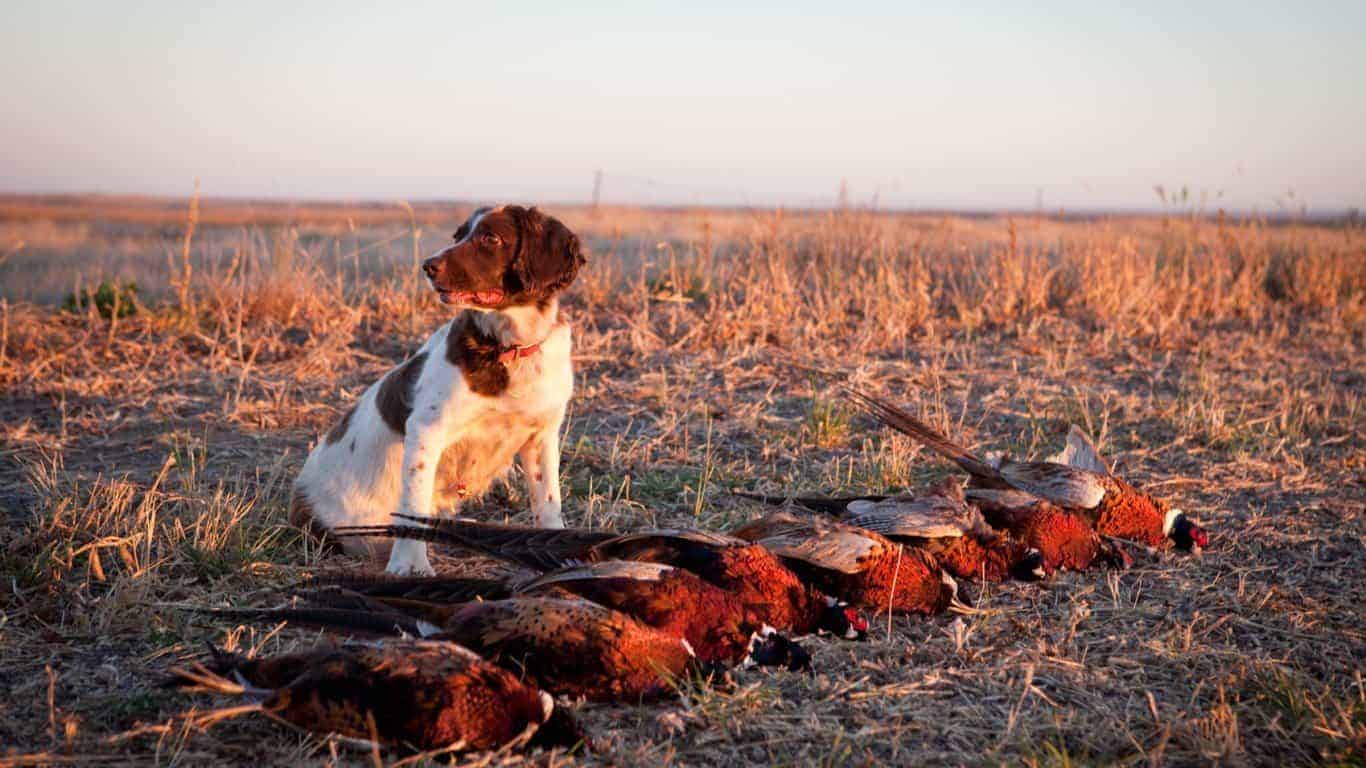
Setting accurate bag limits is a must for state wildlife agencies, as these ensure a game population will continue to thrive.
©clumpner / iStock via Getty Images
Oregon frames its own big game rulemaking as flexible and adaptive, drawing on surveys, harvest data, wildlife health, habitat conditions, and survival or mortality information before any bag numbers are finalized. “It’s all about how much risk a population can tolerate without ever tipping into a decline. We’re extremely careful about this process,” they add.
Recruitment Rates and Whether Populations Are Growing
Recruitment—meaning how many young animals survive long enough to join the population and breed in the following years—is another factor used in calculating bag numbers. Ongoing population metrics and trends, including composition ratios tracked over time, help experts fully understand a species.
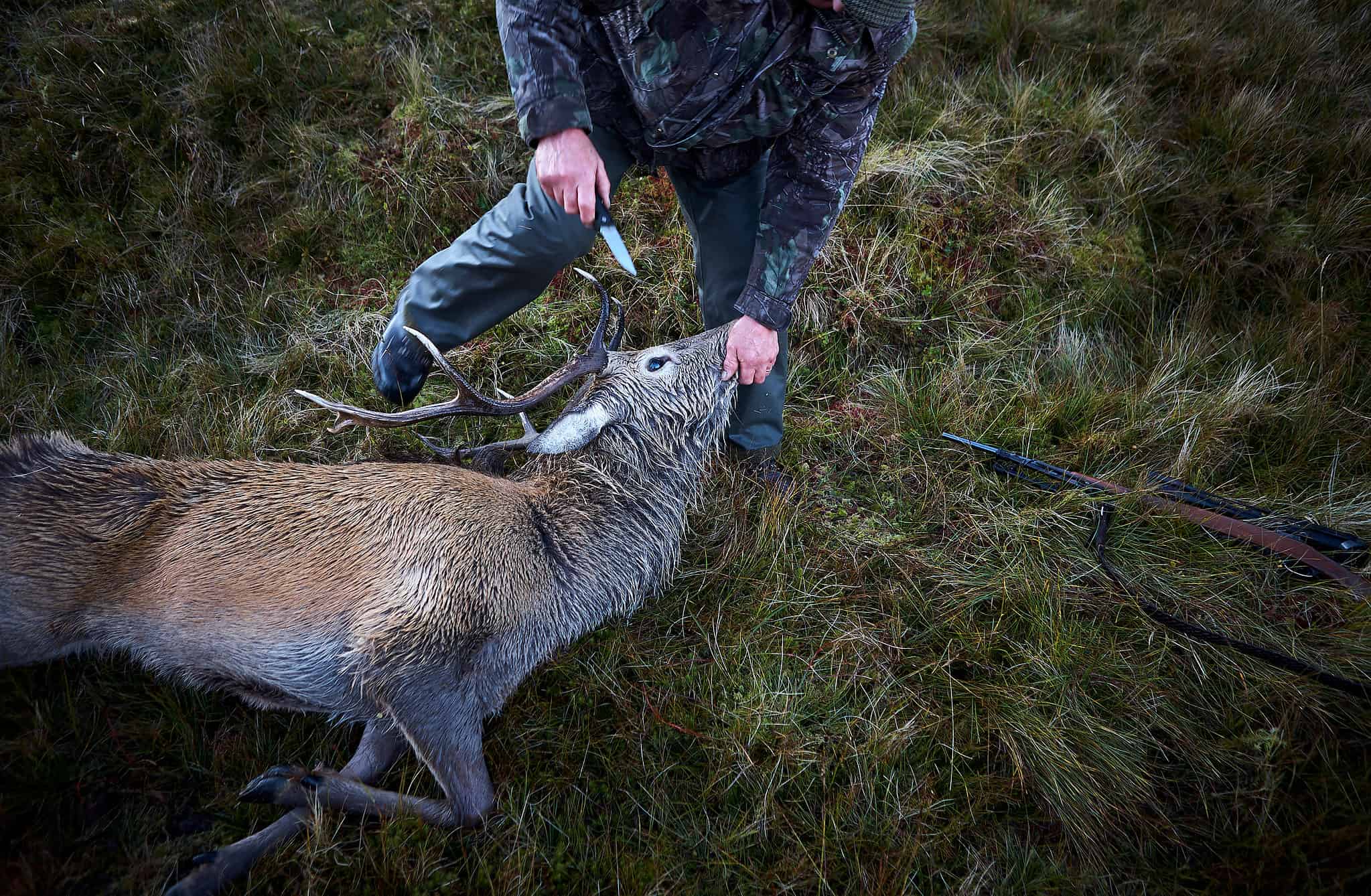
The ages of animals within a given population help contribute to accurate bag limit data, as younger animals need to be present to keep a herd alive.
©NordKraft/Shutterstock.com
While counting adults is still important, animal populations must have a strong group of younger animals in order to keep the species alive. “If we aren’t seeing enough young animals survive and join the herd or flock, our allowable harvest has to tighten,” the Oregon official notes.
Counting Animals and Measuring Herd Composition Through Surveys
Wildlife agencies need to understand all the details of an animal population, including which individuals make up the majority of a herd and how gender and age ratios change from year to year. The same total population number can have very different implications from year to year, depending on the composition of a given herd or flock.

New technology is being utilized to determine game animal population sizes, including drones and thermal imaging.
©AlvaroGO/Shutterstock.com
ODFW has documented its aerial and imagery-based survey methods used to estimate elk numbers and composition, explaining how these approaches can inform population estimates. “We use this technology to make sure that there are enough females in a herd, and that there are enough young animals to keep the population strong,” the wildlife representative states. “Say there’s 100 deer in a herd; if they’re mostly old or male, we can’t justify setting a high bag limit for the season.”
Why Bag Limits Differ Between States
Bag limits often feel inconsistent or confusing if you hunt near a state line. One state might allow a longer season or a higher limit; if the other is more conservative, it can lead to plenty of frustrations. “It can get frustrating, especially the further east you get in Oregon, or some of the forests heading into California,” the Oregon wildlife representative tells us, “There are different rules, but these different rules exist for a reason.”
For example, for big game, states may be managing different herds, even when the species is the same. Elk in one unit might be increasing while a neighboring state’s portion of that broader population is flat or declining. “It all depends on what data that state has gathered, even if these herds move around a lot,” the representative adds.
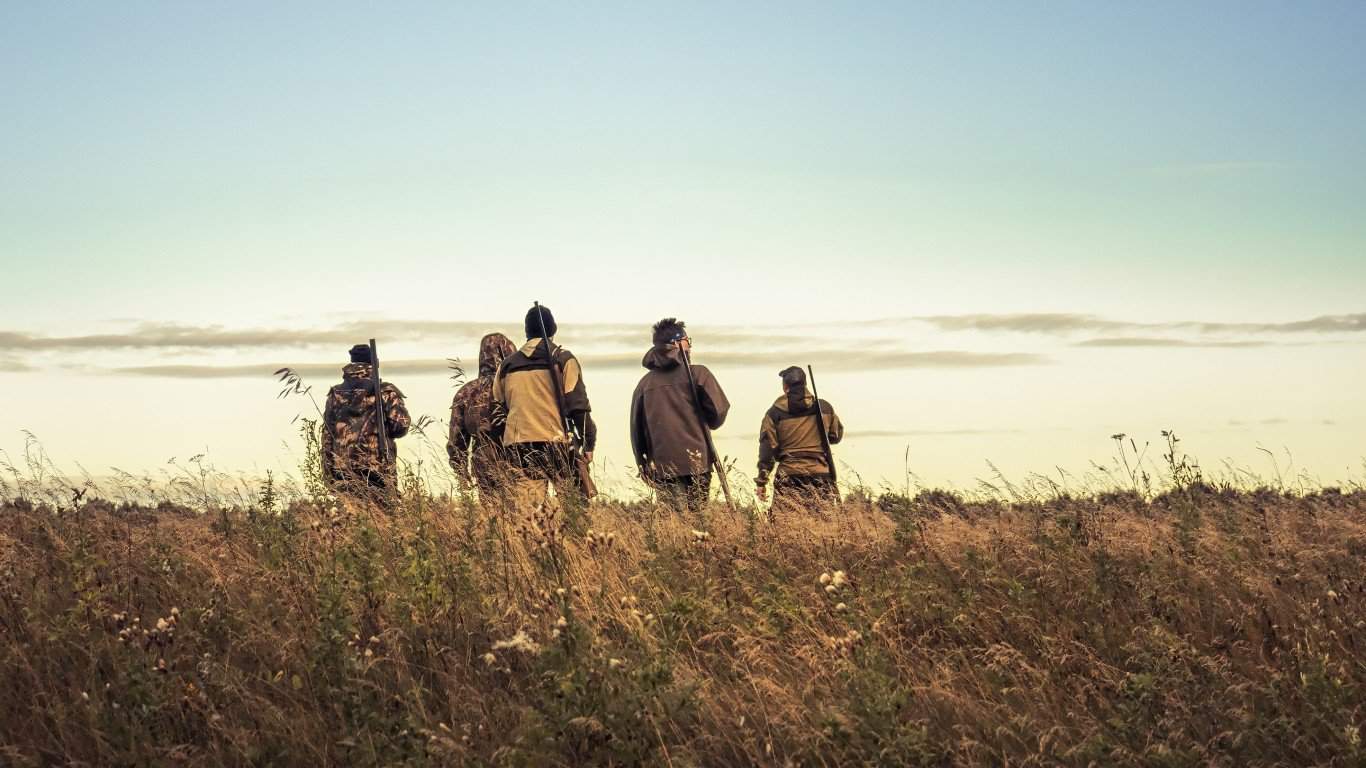
Wildlife agencies must pay attention to animal populations that routinely cross borders, making collaboration a vital part of the bag limit process.
©splendens / iStock via Getty Images
Agencies also weigh different social and land-use constraints to establish rules, such as land access, private-land refuge, crowding, and enforcement capacities.
A lot of people think that more animals in an area is always better, but the populations will suffer if the area can’t sustain their growth. That’s why we’re paying attention to the herd and the habitat at the same time.
Oregon wildlife official
What Happens When Animals Cross State Borders
Species migration can force coordination between states if those animals regularly cross borders. This is common, especially in wide-ranging ungulates and many bird species. States typically handle this in these distinct ways:
- Shared population monitoring and data alignment. Neighboring agencies often compare survey trends and data so they’re not making decisions in isolation. This is most common for herds that are known to use seasonal range across multiple jurisdictions; all wildlife offices maintain awareness.
- Joint frameworks for migratory species. For birds, bag limits are often shaped by federal flyway management and national frameworks, then refined for local populations as needed. That’s why waterfowl rules often seem more standardized compared to hunting limits for deer, etc.
- Adaptive regulations. When a population shifts due to drought, wildfire, winter severity, or a changing habitat, states may adjust their hunting limits, leading to a system that’s consistently adapting alongside the animals involved.

Data is gathered and shared between different wildlife agencies, often across state lines, to determine bag limits.
©PeopleImages/Shutterstock.com
“When we know we’re sharing a population, we’re comparing data with neighbors, trying to avoid over-harvesting the same animals from both sides. Even when a species migrates, harvest isn’t always coming from the same segment of the population,” the Oregon wildlife official notes. “Different states can be reporting much different age classes or seasonal groups, depending on where animals concentrate and when hunters have access to hunting them.”
Harvest Reporting Creates Usable Statistics
Mandatory reporting performed by hunters in the field is a statistical tool and extremely powerful in the long run. When a wildlife agency knows precisely how many tags were issued, how many people hunted, how many were successful, and where their hunting efforts were concentrated, experts can better estimate harvest pressure and interpret success rates with far more confidence.
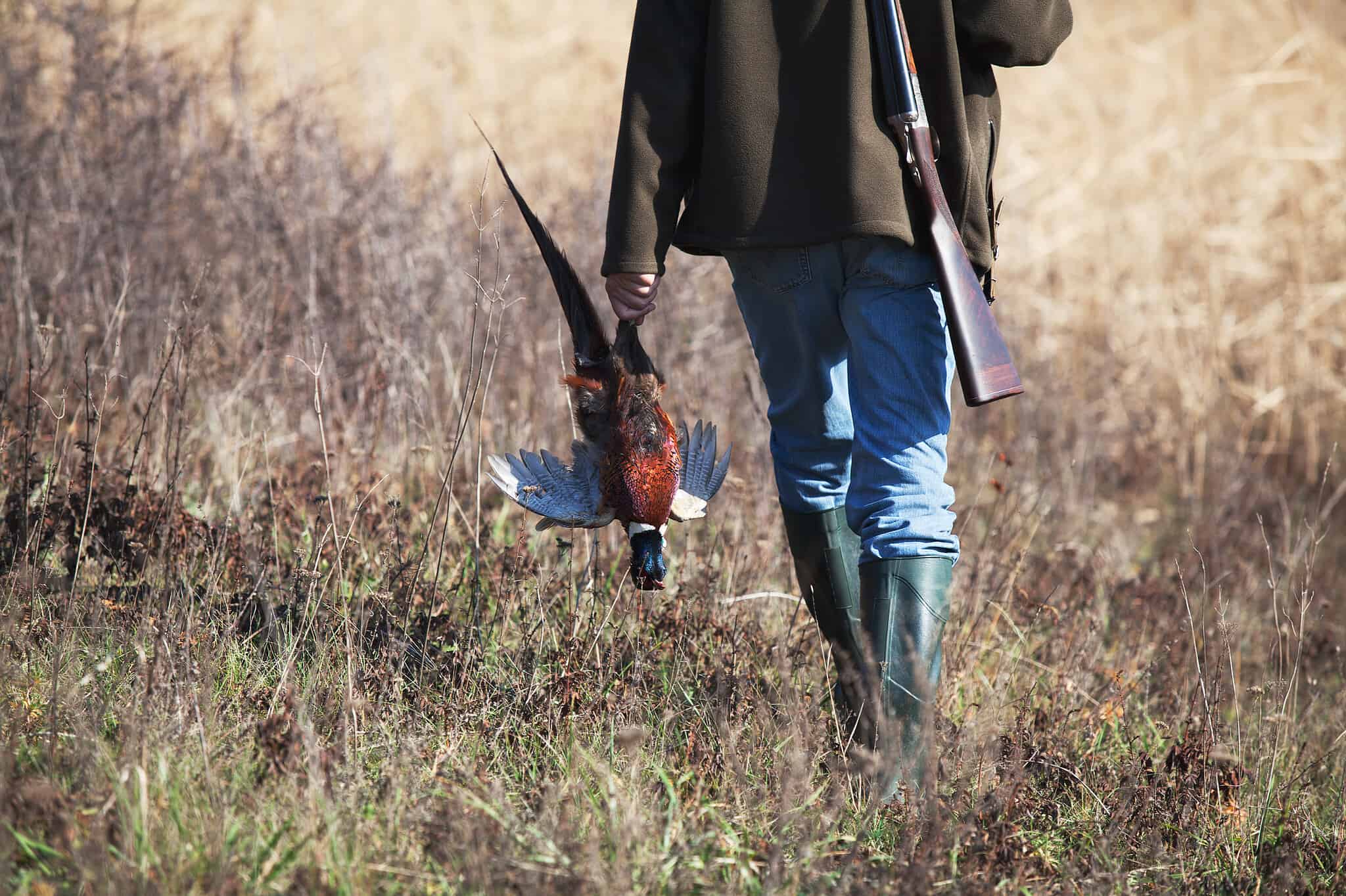
Waterfowl bag limits are set by individual states within federal frameworks established by the U.S. Fish and Wildlife Service, since these birds traverse state lines during migration periods.
©glebchik/iStock via Getty Images
ODFW’s mandatory reporting FAQ makes it clear, as does our anonymous employee interview: biologists use these reports to help estimate populations and set seasons and tag numbers, which is what makes accurate reporting vital (as well as legally necessary): “If people aren’t reporting, hunting doesn’t work. End of story.”
Age Data Contributes to Understanding Population Structures
Bag limits and tag numbers are highly informed by age structure, which is essentially what ages of animal hunters are consistently taking and how that can change over time. If harvest numbers lean too young, or mature animals are rarely reported, it can signal shifts that need to be made.
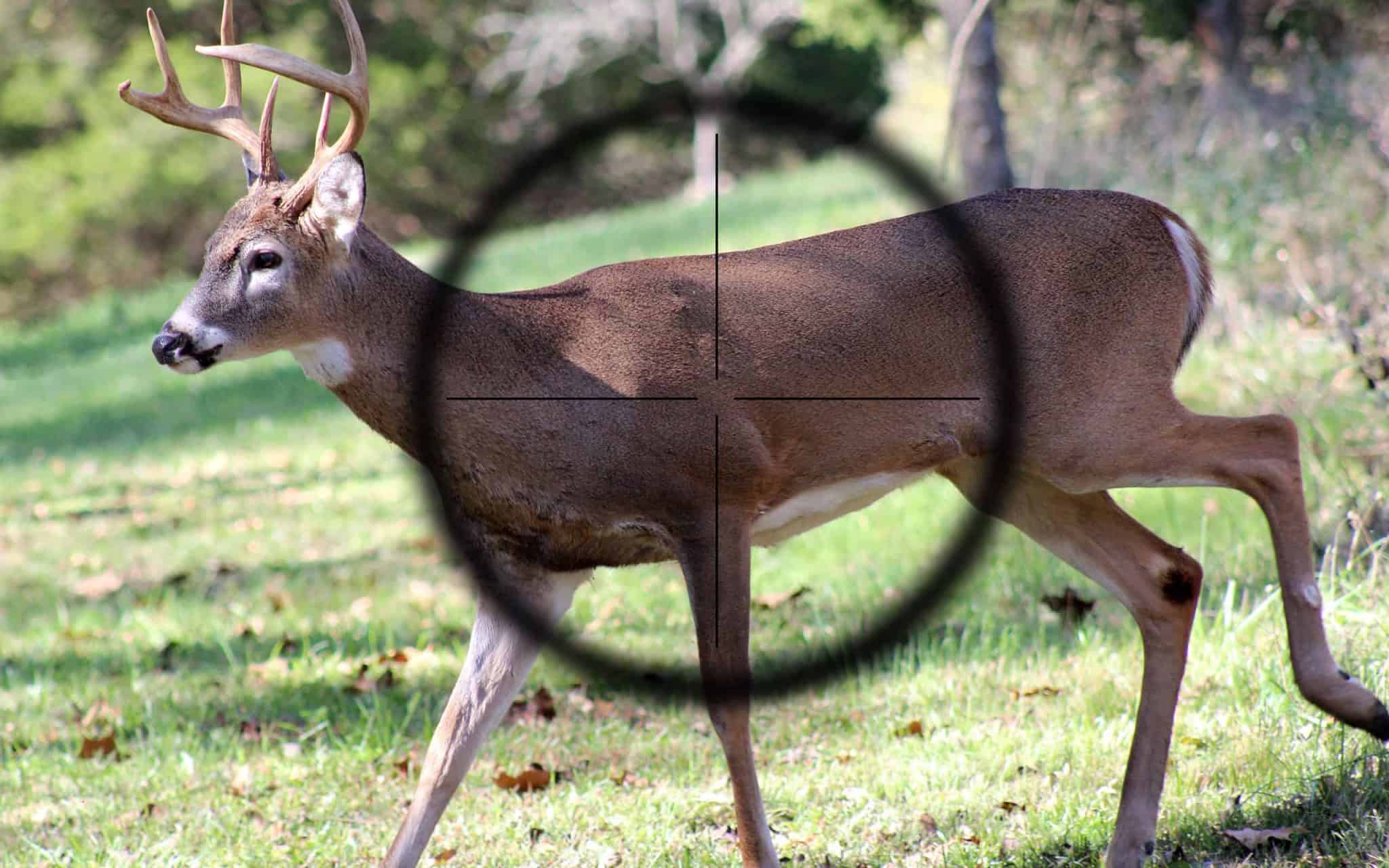
Teeth collecting helps experts determine the ages of harvested animals.
©AdamLongSculpture/ via Getty Images
ODFW uses cementum annuli aging, which involves counting the annual growth layers in teeth, showing how age data is often paired with harvest patterns. In fact, teeth collection is necessary for some hunting reporting and check-in processes, as it helps experts better manage hunting seasons moving forward.
Carrying Capacity Limits: How Many Animals Can an Area Support?
Carrying capacity is just how many animals any given area can sustain, which is why managers treat it more like a moving target than a set one. Forage quality, winter severity, habitat loss, drought, wildfire, and disturbances can all change what a landscape can support; given our changing world, it isn’t something experts can leave stagnant.
For example, when a species’ population density outpaces available forage in any given habitat, body conditions can drop. A herd that once looked stable can struggle and decline.
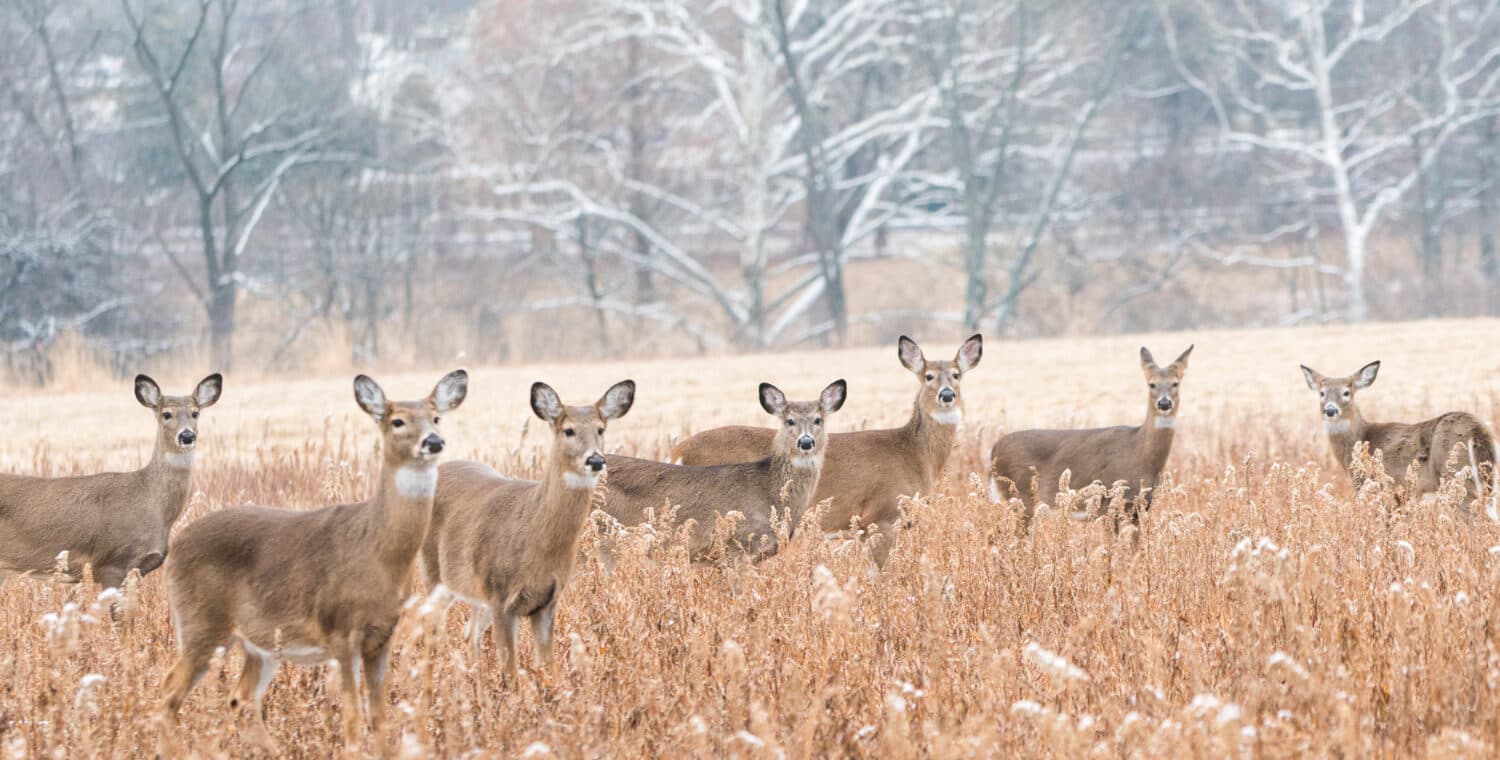
Not all habitats can support large game populations, which is why wildlife officials also pay attention to this factor when setting bag limits.
©Amy Lutz/Shutterstock.com
“A lot of people think that more animals in an area is always better, but the populations will suffer if the area can’t sustain their growth. That’s why we’re paying attention to the herd and the habitat at the same time,” the Oregon official adds.
Data Models Account for Bad Years
Even with strong, consistent data, nature is always unpredictable. That’s why wildlife and hunting agencies build uncertainty into their data programs, and uncertainty can be anything from diseases to poor weather years. For example, ODFW’s disease resources discuss their surveillance of wildlife health issues that can affect big game hunting, as chronic wasting disease can be a serious long-term threat that can change management decisions. And that’s just one of many variabilities experts must heed.
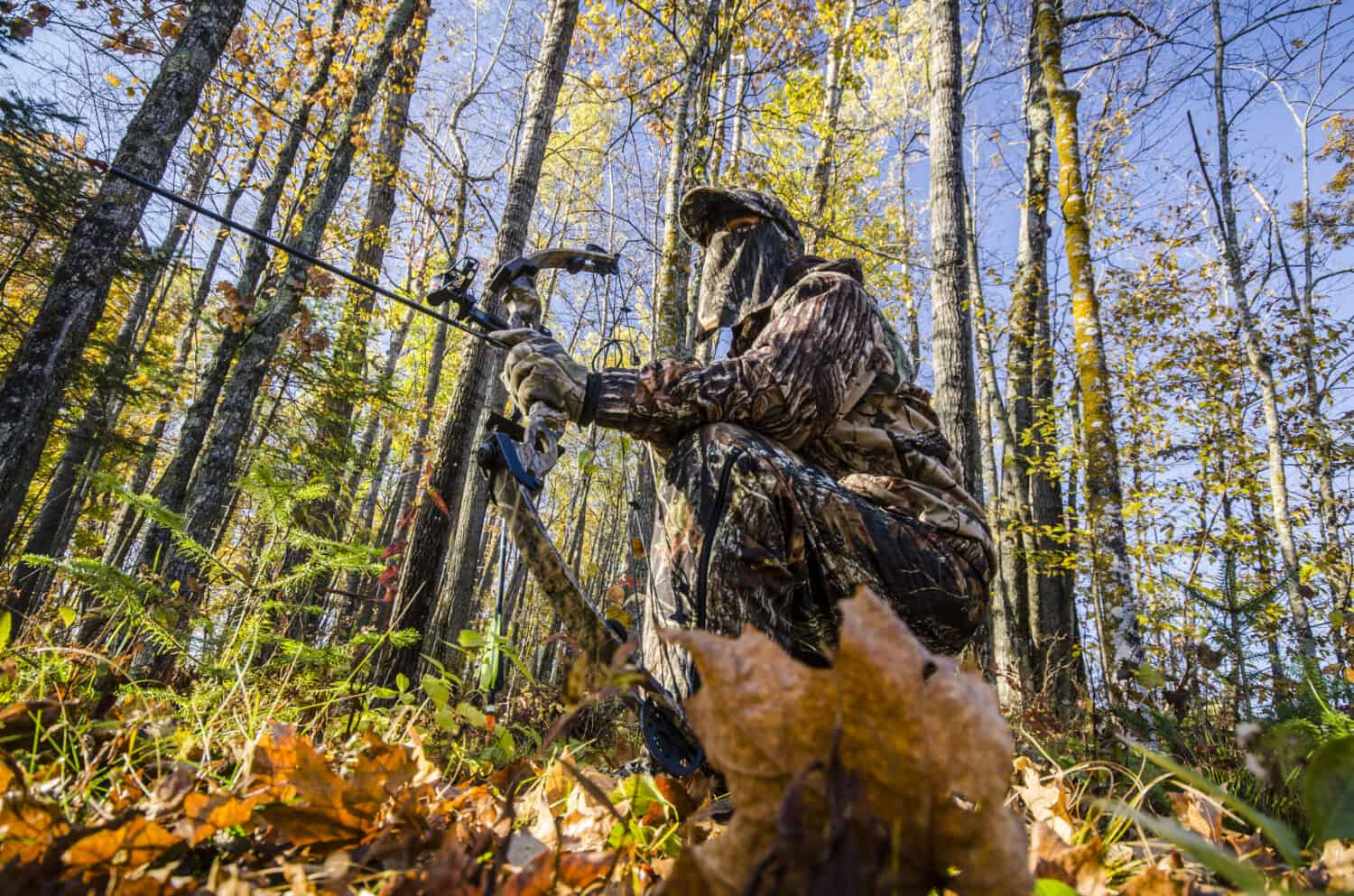
Unexpected population shifts are accounted for in bag limits.
©paul geilfuss/Shutterstock.com
“We plan for changes and unexpected stuff to happen. If we set a conservative bag limit, it is partly because of all of the things we can’t predict, things that might happen as the hunting season progresses,” the Oregon official explains.
After countless surveys, reports, age data, and predictive modeling, a public-facing rule still has to be set and memorable. That’s why wildlife agencies have bag limits and tag limits; that’s why states set distinct and concrete hunting seasons.
The final number used in bag limits is the result of a formal, accountable process. “We could publish our whole model and reasoning, but ultimately, the regulation has to be enforceable and understandable. It’s our job to keep animal populations safe, and that’s what we’re here to do,” the Oregon official notes.
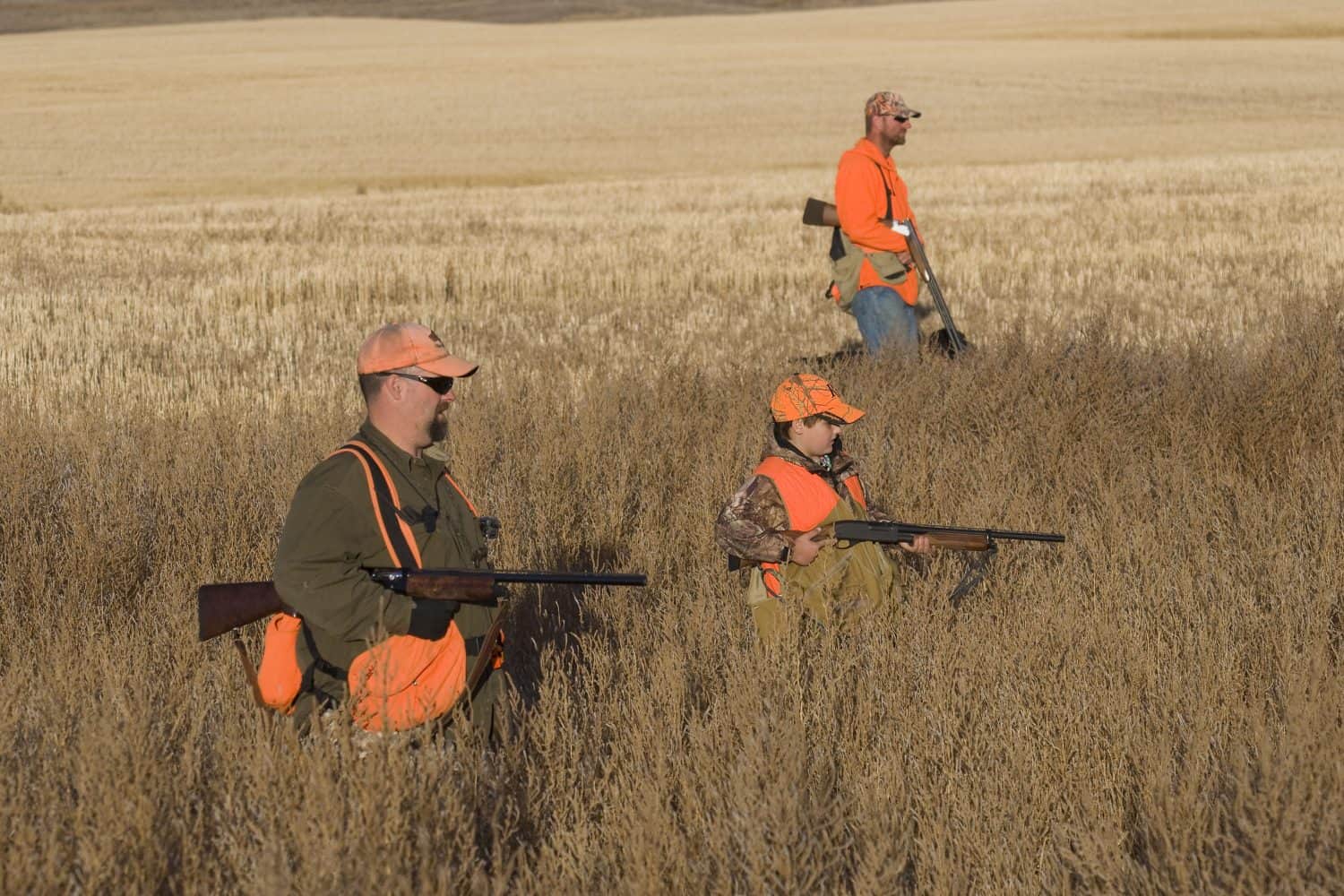
Hunters can do their part by accurately reporting their harvests to state officials.
©Steve Oehlenschlager/Shutterstock.com
Bag limits serve as a commitment that the state is using the best available data to keep animal populations both regulated and thriving. Even in years when hunters have fewer opportunities, this calculated limit is designed to keep wildlife populations healthy and sustainable in the long run, despite the inherent unpredictability of nature.