
As a kid, I was enthusiastically and unreservedly in favor of a manned space program. Our destiny lay in the stars, I figured. Get people out there. We need Star Trek here and now.
As I got older, I became rather disenchanted with the idea. Humans are expensive, fragile, and inefficient as space cargo. We could flood the solar system with 100 robotic probes for the price of any single manned mission and get back just as useful data. Besides, it turns out space travel is dangerous.
When it came to the recent Artemis II mission, my cynical side didn’t really see the point. Flying around the Moon and back is literally something we did before I was born, and I once owned a Members Only jacket. Apollo 8 circled the Moon ten times and returned to Earth safely the same month that “Chitty Chitty Bang Bang” was released. What was the point of repeating a feat that far braver people once did with tin foil and slide rules?
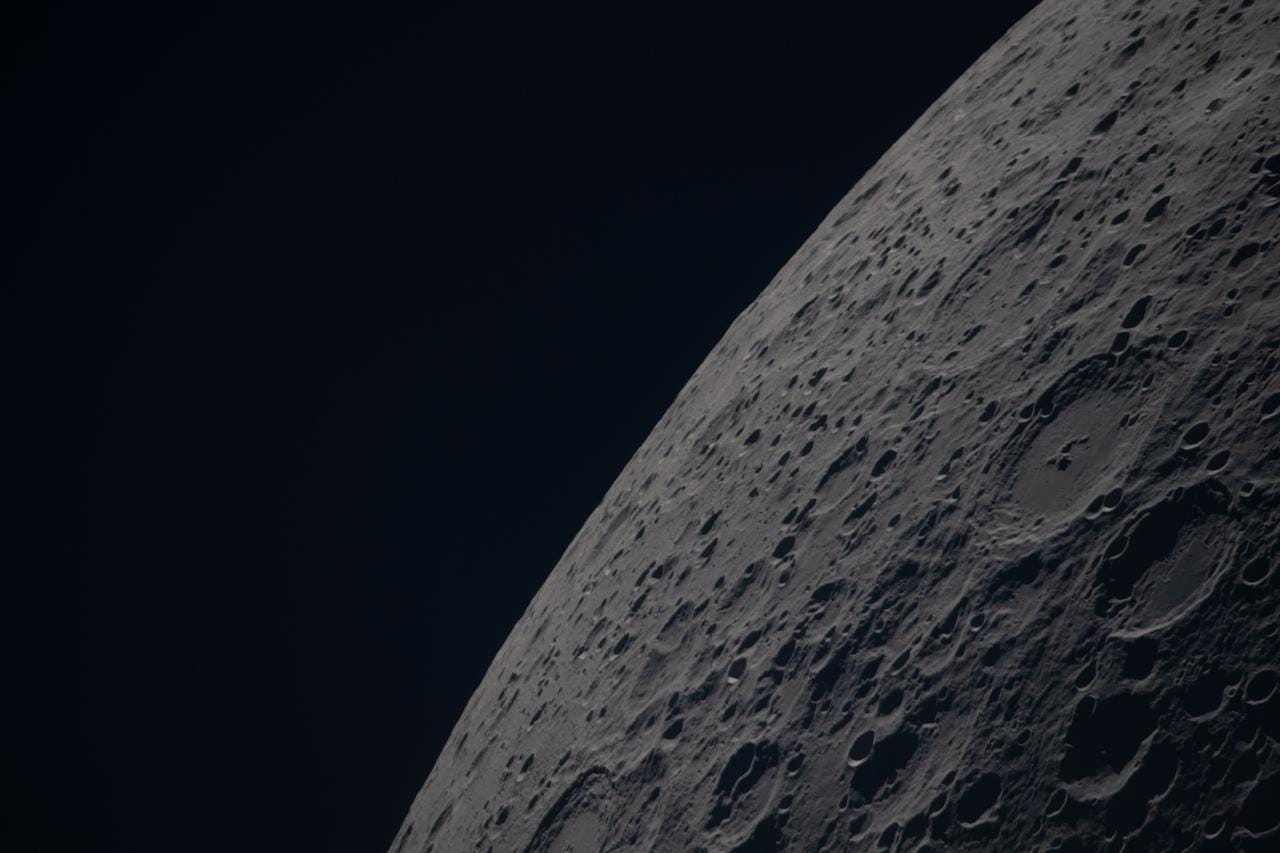
Yet I’ve surprised myself with how moving I’ve found the Artemis II mission to be. The photos have been stunning. The crew has been professional and engaging. There have been modest but important milestones — the farthest humans have travelled from Earth; the first woman, person of color, and non-American to leave low-Earth orbit; innovations in communication, and more.
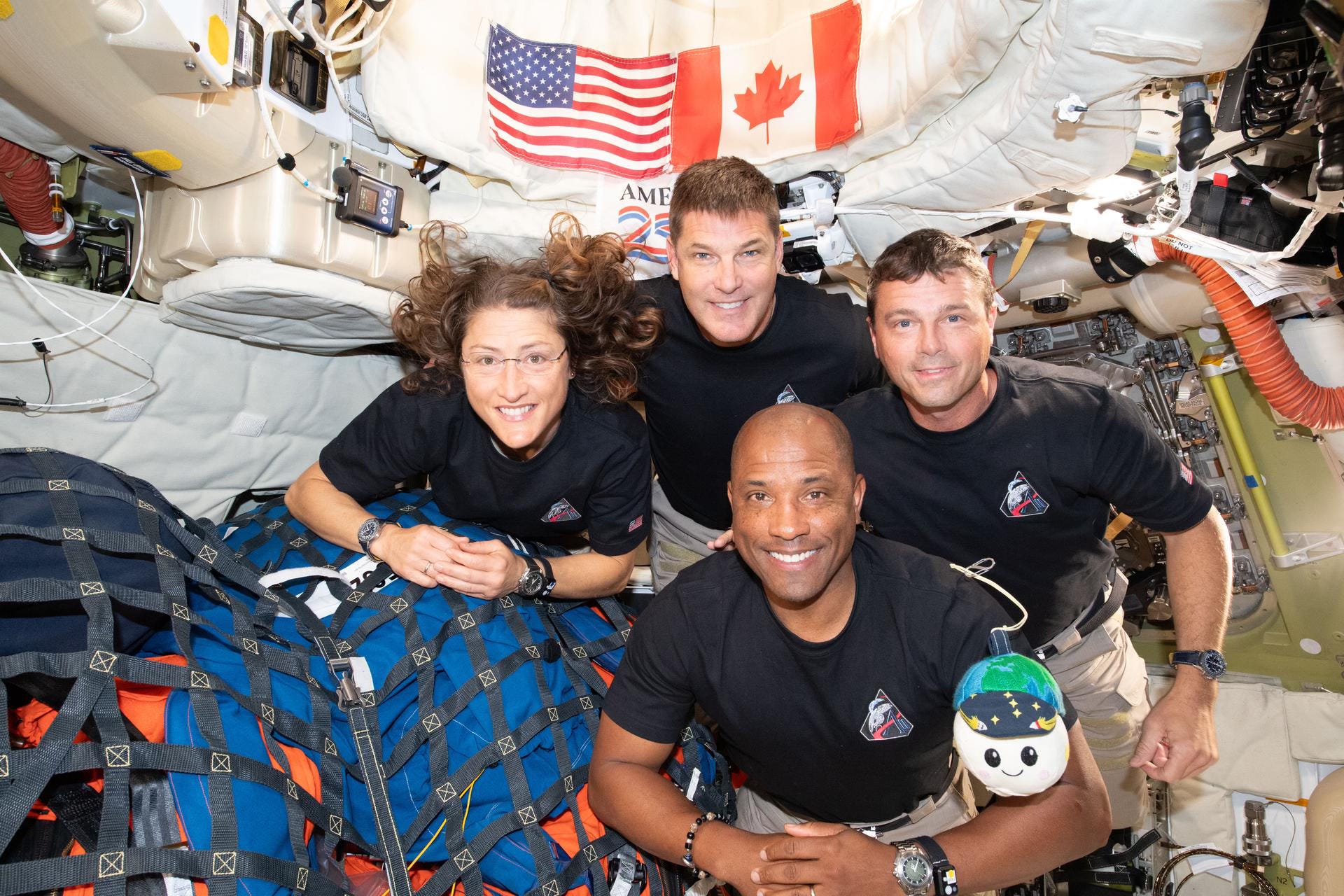
One thing that really stood out is that this is really NASA at its finest. Not that this is the most important mission they ever pulled off, but they did this in a competent way that celebrated the achievements and kept the crew and the science at the forefront of the project. This wasn’t some billionaire throwing celebrities or cars into orbit as a vanity project — this was a collective effort to send experts in to do a job and come home safely. We don’t see that sort of thing much these days. I’m guessing few people would describe many government agencies as inspiring, but this one counts for me.
We’re living through a profoundly anti-science era, in which pathbreaking, lifesaving discoveries like mRNA vaccines are routinely downplayed or even vilified. As I’ve noted previously, this era is something like that of the Red Scare in the 1940s and 50s, in which “egghead” professors were portrayed as out of touch or even hostile to regular Americans. One of the things that helped break that spell was Sputnik — the Soviet communications satellite that demonstrated that the United States was falling behind in crucial scientific research and applications. Its launch triggered a new appreciation for American science and goaded the federal government into supporting research universities and labs. I’m not saying that Artemis is the equivalent of Sputnik, but it potentially reminds people that there’s some value to scientific endeavors and the human faces attached to them.
Despite my love for the show “For All Mankind,” I’m far from convinced that there’s any real value to putting colonies on the Moon or Mars that would justify the capital investment and the massive health risks to the astronauts. But sending scientific good will ambassadors on a trip into space once in a while? Bring it.