
Published on
January 1, 2026
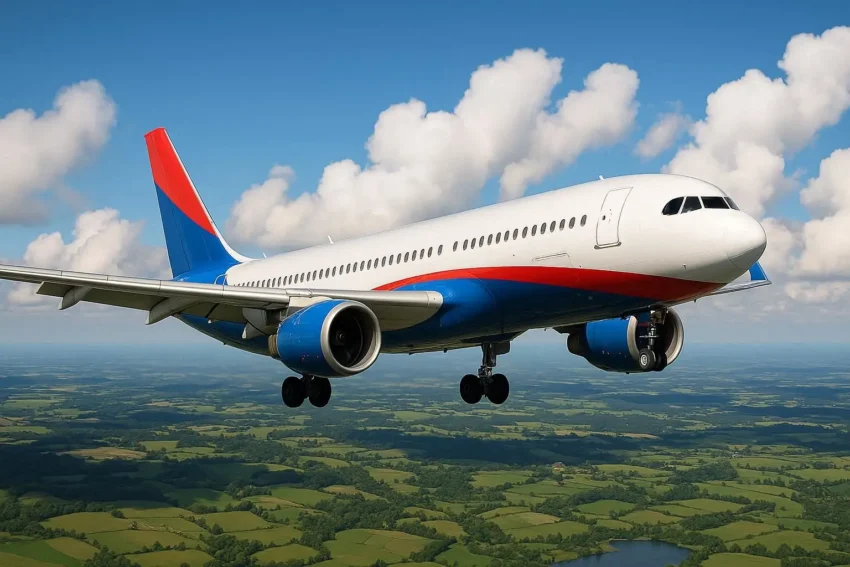
India aviation is being reshaped through a decisive phase of renewal as Air India and IndiGo advance ambitious fleet, cabin, and network strategies for 2026. Across India, growing demand for long haul travel, premium comfort, and seamless connectivity is being addressed through wide ranging investments that place the passenger experience at the center of planning. The return of refurbished Boeing 787-8 aircraft to service and the arrival of the first Airbus A321XLR are being positioned as milestones that will influence tourism flows between India, Greece, the United Arab Emirates, and the United States. For international travelers, business passengers, and the expanding Indian diaspora, these developments are expected to deliver improved comfort, greater route choice, and more efficient travel options. As airports such as Delhi Airport, San Francisco International Airport, and New York JFK prepare for upgraded lounge facilities, the overall journey is being redesigned from departure to arrival. Through these parallel strategies, India leading airlines are being aligned with global travel standards while supporting tourism growth and economic connectivity across multiple regions.

Air India Advances Dreamliner Cabin Renewal Strategy
A major step in Air India transformation program is being marked by the return of the first two fully refurbished Boeing 787-8 aircraft to active service from February 2026. These aircraft are scheduled to operate from Delhi Airport, reinforcing the capital role as a key international gateway for India. The refurbishment program is being applied across the legacy widebody fleet, with a clear emphasis on enhancing comfort and modernizing onboard amenities.
New seating layouts and upgraded inflight entertainment systems are being installed as part of the interior refit. Through these changes, a more consistent long haul experience is being delivered to passengers traveling between India and global destinations. According to information shared with Maharaj Club loyalty members, the refurbishment process is being accelerated, with two additional Dreamliner aircraft planned to rejoin the fleet each subsequent month.
By maintaining a steady induction schedule, Air India is ensuring that service disruptions are minimized while tangible improvements are rolled out across the network. This approach is being viewed as essential for restoring confidence among international travelers and tour operators who rely on predictable product standards when planning journeys to and from India.
Expansion of Widebody Fleet and Global Reach
Alongside cabin upgrades, fleet growth is being pursued to support long term tourism and connectivity goals. During 2026, six new widebody aircraft are expected to be delivered, comprising additional Boeing 787 aircraft and modern Airbus A350 jets. These aircraft are being deployed to strengthen links between India and high demand long haul markets, particularly in North America and Europe.
Preparation work is also being initiated for the refitting of the Boeing 777 fleet. This phase of the program is intended to bring consistency across Air India long haul offerings, ensuring that passengers experience similar comfort standards regardless of aircraft type or destination. By the end of 2026, it is being projected that around 65 percent of the widebody fleet and more than half of international services will feature modern cabins.
For the global travel industry, this level of modernization is being interpreted as a signal of renewed competitiveness. Destinations in the United States and Europe are likely to benefit from increased confidence in Air India long haul services, supporting inbound tourism and business travel flows.
Lounge Investments Enhance the Ground Experience
The transformation strategy is extending beyond aircraft cabins to include airport infrastructure and passenger facilities. A new flagship international lounge is scheduled to open at Delhi Airport in early 2026. This facility is being designed to cater to premium and frequent travelers, offering improved comfort during transit and pre departure periods.
International lounge upgrades are also being planned in the United States. A new lounge is set to open at San Francisco International Airport, while enhancements are being prepared at New York JFK. Additionally, a new domestic lounge is being introduced at Delhi, ensuring that both international and domestic passengers benefit from upgraded ground services.
These developments are being closely linked to tourism growth, as airport lounges often shape first impressions for inbound visitors. Through these investments, Air India is positioning itself as a carrier capable of delivering a cohesive travel experience that begins well before boarding and extends beyond arrival.
IndiGo Prepares for A321XLR Era and Long Range Growth
While Air India focuses on widebody modernization, IndiGo is preparing to enter a new phase of operations with the induction of India first Airbus A321XLR in 2026. This aircraft type is being viewed as a game changer for narrowbody long haul travel, enabling non stop routes that were previously beyond reach for single aisle aircraft.
The A321XLR is expected to support international expansion from hubs such as Delhi, allowing new connections to be launched while maintaining operational efficiency. Among the routes being highlighted is Athens, strengthening travel ties between India and Greece. Such routes are expected to appeal to leisure travelers seeking direct access to European cultural destinations, as well as to diaspora and business passengers.
Earlier operational disruptions experienced during the year are being acknowledged by IndiGo leadership, with corrective measures having been implemented to restore reliability. Lessons learned during this period are being integrated into planning processes, ensuring that future expansion is supported by resilient systems and improved customer communication.
Passenger Growth and Network Confidence
IndiGo is projecting strong passenger growth, with more than 123 million travelers expected to be carried in 2025, compared with 113 million in 2024. This growth trajectory is reinforcing confidence in the airline long term strategy and underlining the sustained demand for air travel across India.
The arrival of the A321XLR is being positioned not only as a technical milestone but also as a tourism enabler. Longer range capabilities are allowing new markets to be explored without the cost base associated with widebody aircraft. As a result, destinations in Europe and the Middle East are becoming more accessible to Indian travelers, while inbound tourism from these regions is also being encouraged.
CEO Pieter Elbers has emphasized that efficiency gains and operational discipline will remain central as expansion continues. Through these measures, IndiGo aims to balance rapid growth with service reliability, an aspect that is increasingly valued by international travelers.
Broader Impact on Travel and Tourism
Together, the strategies pursued by Air India and IndiGo are reflecting a broader transformation of India aviation sector. Investments in modern cabins, long range aircraft, and airport lounges are being aligned with rising expectations among global travelers. For tourism authorities and destination marketers in countries such as Greece, the United Arab Emirates, and the United States, these developments are opening new opportunities to attract Indian visitors.
Improved connectivity and comfort are being recognized as key drivers of travel demand. As non stop routes expand and onboard experiences are upgraded, India position within global travel networks is being strengthened. This momentum is expected to contribute positively to inbound and outbound tourism, trade, and cultural exchange.
Air India commitment to cabin renewal and IndiGo focus on long range narrowbody expansion are collectively shaping a new chapter for India aviation. By 2026, travelers are expected to experience more modern aircraft, enhanced ground facilities, and a broader choice of destinations across multiple continents. These changes are reinforcing India role as a dynamic aviation market and a growing hub for international travel and tourism.
