
In 2015, the United Nations General Assembly established the International Day of Women and Girls in Science. Held annually on February 11th and implemented by UNESCO and UN-Women, this initiative promotes full and equal participation and recognition of women and girls in Science, Technology, Engineering and Maths.
About the event
This drive towards a future where science and gender equity advance together is commemorated by a yearly assembly at the UN headquarters in New York. The forum sees a multidisciplinary gathering of industry and research stakeholders, including the Royal Academy of Science International Trust, representatives of UN member states and intergovernmental organisations.
Each year is focused on a different theme relevant to current challenges, innovations or strategic approaches that are being developed. The 2025 observance marked the 10th anniversary of this celebration, under the theme of “Charting Progress to Shape the Future: the Best is Yet to Come”. The event, accompanied by an extensive UN report, highlighted the achievements of the past 10 years relating increasing visibility and awareness of the gender gap and how this initiative has served as a platform for global commitments to be endorsed by countries, organisations and research institutions each year.
2026’s theme narrows the focus to “Synergizing AI, Social Science, STEM and Finance: Building Inclusive Futures for Women and Girls”, to showcase existing good practices for building more inclusive environments that “advance the three pillars of sustainable development: economic prosperity, social justice, and environmental integrity”, as explained on the UN website. An emphasis was placed on the impact of emerging technologies on gender equality, particularly relating to health research, cybersecurity, AI, and scientific entrepreneurship.
It is still imperative to champion and promote the global potential of research by women, for women
The need to recognise women and girls in STEM
Significant progress in the access and recognition of women in STEM disciplines has been made in the last few decades, with this event being one of many fighting for the diversity of areas studied in science to correspond to the diversity of those who explore it. However, women are still only one third of the world’s researchers, and only around 12% are members of national science academies. Closing the gender gap matters not only for fairness and equality of opportunity, but because it directly impacts how much and how well areas relating to women’s health are explored and tackled. A classic example of this bias is the world’s leading cause of death: cardiovascular diseases. With symptoms classically taught in medical school being based on men, the subtler signs like nausea or shortness of breath that are characteristic in women are more likely to be misdiagnosed or treated too late. It is therefore still imperative to champion and promote the global potential of research by women, for women.
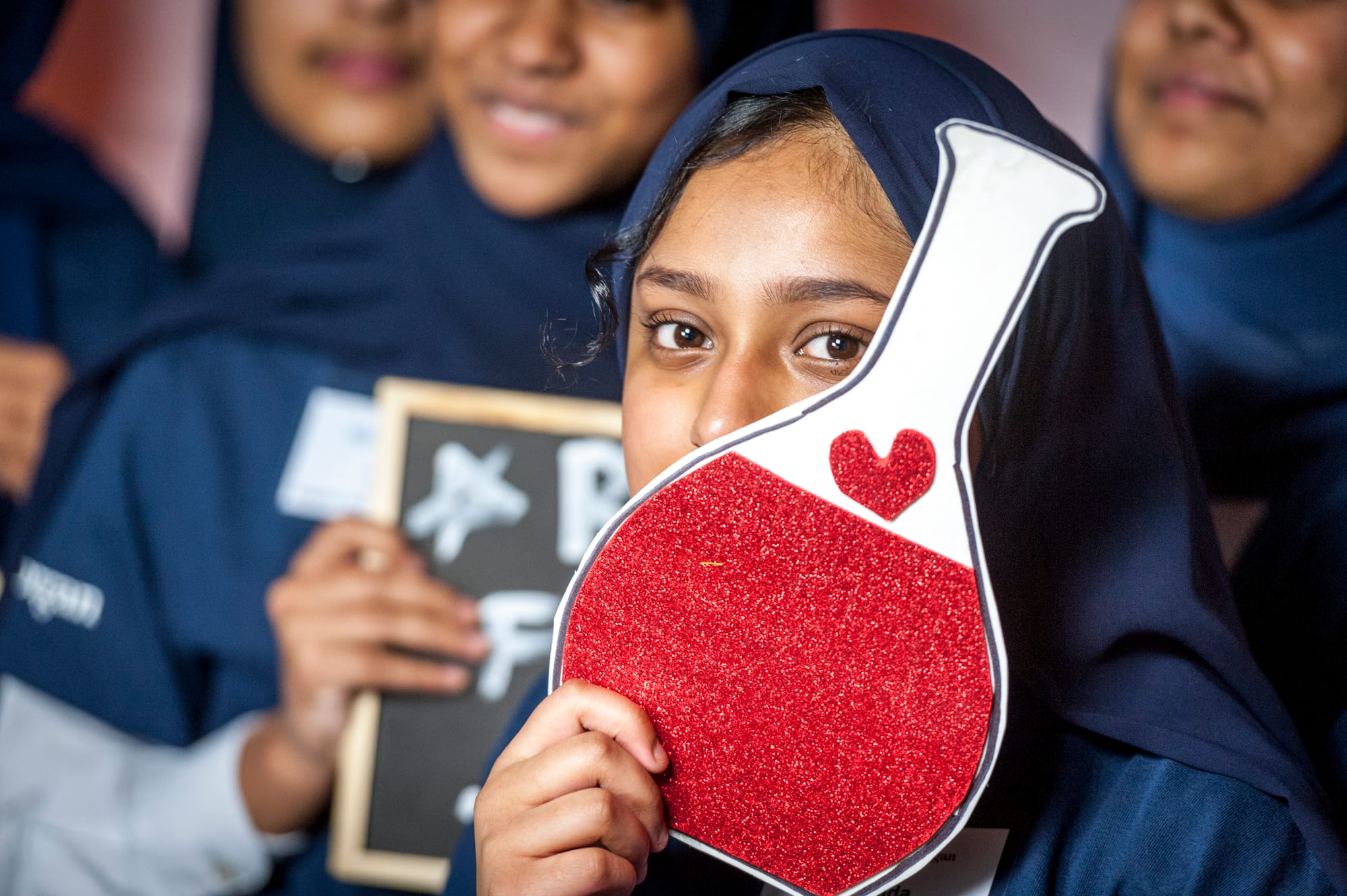
Closer to home – Editor’s note
I had the opportunity earlier this year to expand on the challenges and limitations faced by women in research and in research on women’s health by interviewing the Lutea founders, Imperial’s Venture Catalyst Challenge 2025 participants working on a non-invasive patch that can accurately track hormonal phases, helping one in three women with irregular cycles. International celebrations like these tend to focus on the big names, anniversaries and landmark discoveries. However, the inspiration behind these breakthroughs (which we are fortunate to see often at Imperial!) is often found right next to us.
As Editor, I want to draw attention to the plenty of women at Imperial who strive to drive scientific progress while pushing for greater equality of opportunity and research that addresses women’s health and lived experiences. International Day of Women and Girls in Science is therefore not only about celebrating global progress, but about recognising the people shaping science progress and education in our own community.