The war with Iran has cost Israel about NIS 35 billion ($11.5 billion) in budgetary expenses, according to an initial estimate released by the Finance Ministry on Sunday.
The ministry cautioned that the Israeli-American 40-day campaign against the Islamic Republic incurred high economic costs, including the loss of GDP to the economy and an increase in state spending, some of which will only become fully clear in the future.
The bulk of the cost comes from an estimated NIS 22 billion in defense and military spending for the IDF, Defense Ministry, National Security Ministry, and other security organizations. It includes expenditures for military equipment, with another significant component being the expansion of the mobilization of reserve forces beyond what was planned. The amount was already added to the Defense Ministry budget as part of the state budget for 2026, the Finance Ministry said.
“The functioning of the Finance Ministry and responsible management of the country’s economy were a critical factor in the great operational success,” said Finance Minister Bezalel Smotrich. “The employees of the Finance Ministry are full partners in the great successes on the front and in our tremendous achievements against Iran.”
The joint offensive launched on February 28, aiming to degrade the Iranian regime’s military capabilities, including its nuclear and ballistic missile programs, prompted continuous retaliatory missile fire from the Islamic Republic. US President Donald Trump’s announcement of a two-week ceasefire, taking effect early Wednesday morning, brought the fighting to a halt.
During the fighting, the Israeli Air Force dropped over 18,000 bombs in Iran, in over 1,000 waves of strikes. According to the IDF, over 10,800 separate strikes were carried out on over 4,000 targets, including air defense systems, ballistic missile launchers, weapon production sites, nuclear facilities, various headquarters, and military commanders and leaders.
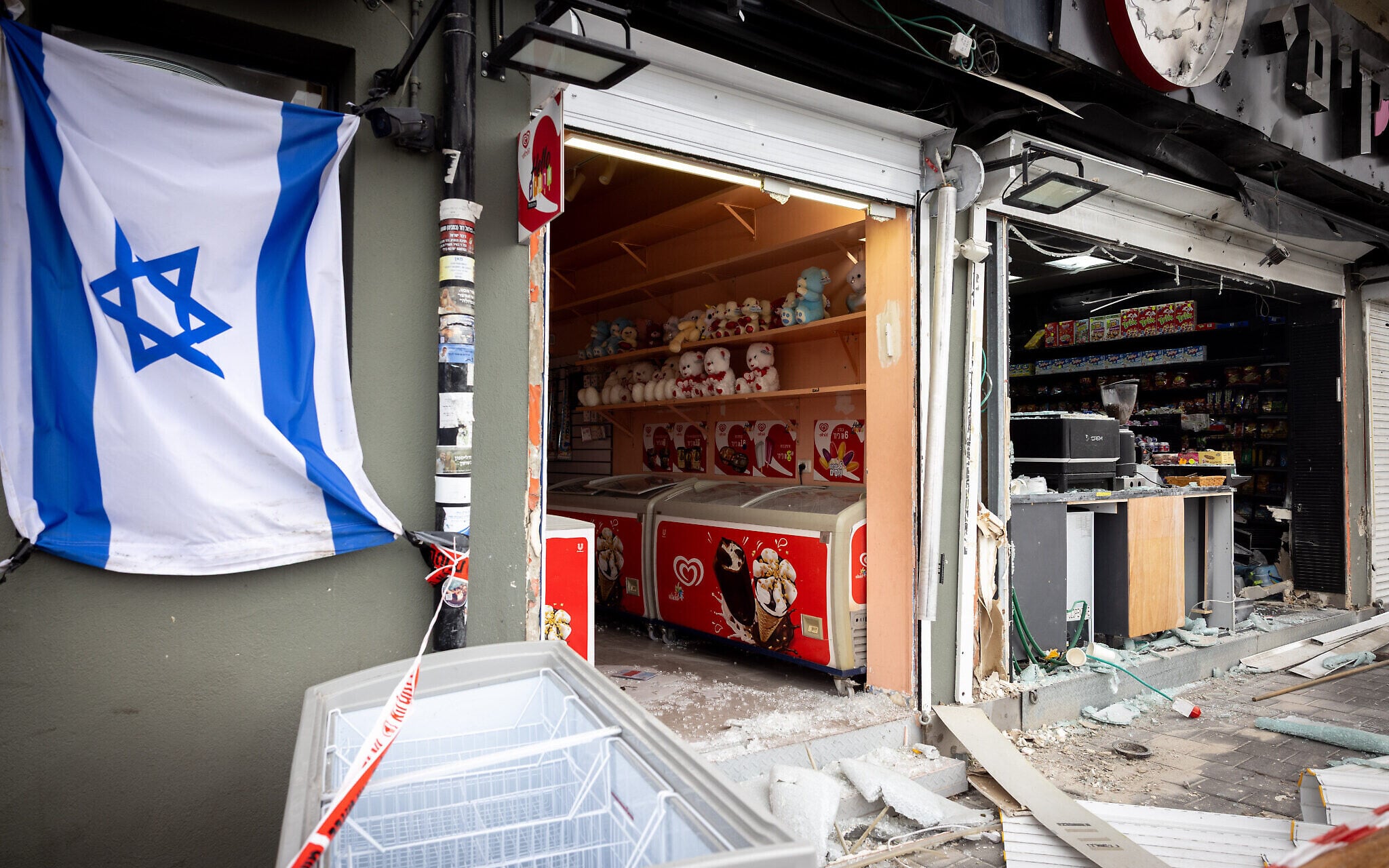
In the initial days of the war with Iran, the IDF’s Home Front Command issued nationwide guidelines that prohibited all gatherings, shutting down the economy and educational activities, except for essential businesses. Although workplace guidelines were eased after about a week, schools remained closed, forcing employees to work from home, while many stayed close to bomb shelters given the frequent Iranian missile fire.
Iran, during the fighting, launched some 650 ballistic missiles at Israel. Overall, at least 16 missiles carrying conventional warheads — with hundreds of kilograms of explosives — struck populated areas in Israel, causing extensive damage and loss of life.
The Finance Ministry said it budgeted NIS 12 billion for government compensation plans, including direct missile damage, a framework to provide partial financial relief to businesses with revenues hurt by the ongoing war with Iran, and furloughed employees.
Another NIS 1 billion is estimated to have been spent on civilian costs, including adjustments to hospital operations, emergency response, treatment of victims, and war-related expenses for the Social Affairs Ministry.
Emanuel Fabian contributed to this report.