
Published on
January 3, 2026

Italy and France are now battling overtourism alongside Greece, Spain, Croatia, and others, with urgent measures in place to protect heritage and local communities by 2026 amidst rising visitor numbers. As the popularity of these European destinations continues to surge, the strain on their infrastructure, local housing markets, and cultural landmarks has reached a critical point. Overcrowding in historic sites, rising rents, and the transformation of neighborhoods into tourist-centric areas are displacing locals and eroding the authenticity of these regions. In response, these countries are implementing strategies to mitigate the effects of mass tourism, including visitor caps, tourist taxes, and promoting sustainable travel practices. By 2026, these urgent efforts aim to strike a balance between preserving the rich cultural heritage and ensuring that tourism remains beneficial without compromising the quality of life for local residents.
Paris, France: Balancing the Allure of the City of Light with Local Life
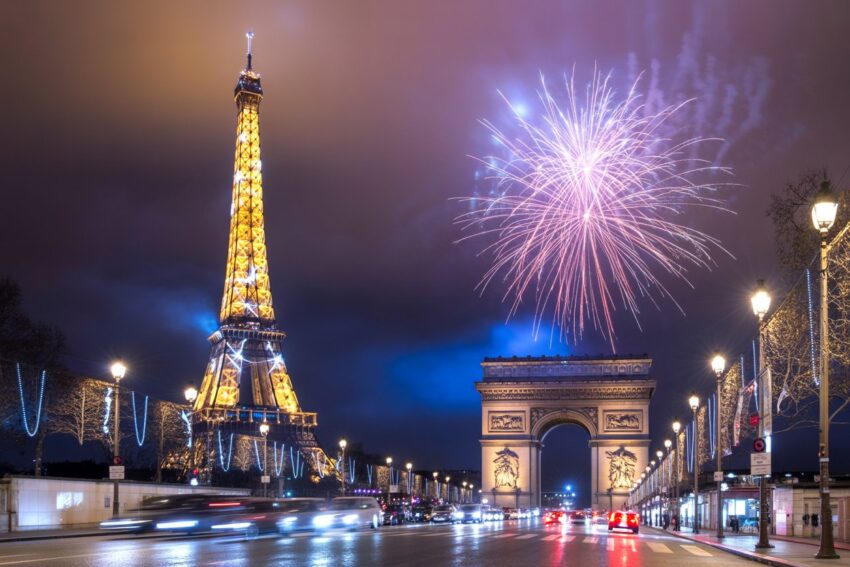
Paris, the City of Light, continues to be one of the most visited destinations in Europe, with over 19 million visitors annually. The pressure of tourism is particularly felt in areas like Montmartre, the Eiffel Tower, and the Louvre. Overcrowding, rising rent prices, and the commercialization of historic neighborhoods are increasingly alienating locals. Many Parisians feel as though they are losing their city to tourism, with traditional cultural experiences becoming increasingly rare. By 2026, Paris must strike a balance between maintaining its global appeal and ensuring that local residents are not displaced. Implementing sustainable tourism practices, such as regulating the number of visitors and promoting lesser-known attractions, will be key to preserving the authenticity and vibrancy of the city.
Measures Taken in Paris
Paris has introduced a tourist tax aimed at regulating the number of visitors to its popular landmarks and attractions. The funds generated from the tax are reinvested into the city’s infrastructure, helping to maintain historic sites and improve services. The French capital is also heavily promoting sustainable tourism through initiatives such as the “Green Paris” campaign, which encourages visitors to engage in eco-friendly activities like cycling or walking tours and to choose environmentally responsible accommodations. Paris is also working on increasing the capacity of its public transport system, making it easier for tourists to navigate the city in an eco-friendly way.
Venice, Italy: The “Museum” City Struggling to Retain Its Soul
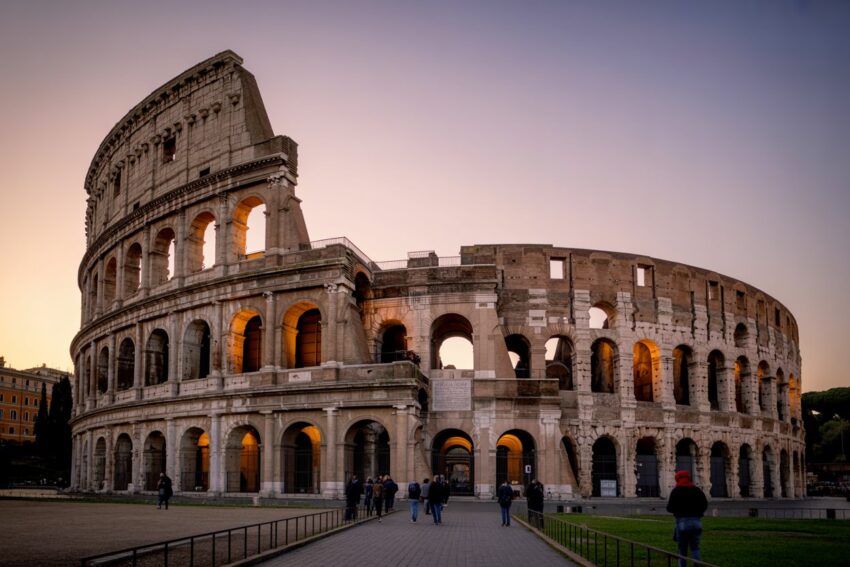
Venice, Italy’s iconic city of canals, has long attracted tourists from around the world. However, with a population of fewer than 50,000, it now sees upwards of 12 million visitors annually. The strain on the city’s delicate infrastructure has been overwhelming, leading to overcrowded streets and overwhelmed public services. The once-vibrant, local Venice is increasingly turning into a living museum, with many locals being pushed out due to rising rents and the transformation of properties into short-term tourist rentals. This has caused a significant loss in the city’s authentic atmosphere, as traditional Venetian life is being overshadowed by the tourist industry. By 2026, the city risks losing its cultural identity if current trends persist, and urgent measures to reduce visitor numbers and promote sustainable tourism are becoming critical to preserving Venice’s unique heritage.
Measures Taken in Venice
In response to overtourism, Venice has introduced a tourist tax aimed at reducing overcrowding and mitigating the strain on the city’s infrastructure. This fee is imposed on day-trippers, a key demographic contributing to overcrowding, particularly during peak seasons. Furthermore, Venice is exploring visitor caps in certain areas to prevent excessive foot traffic, particularly in its historic center. By limiting the number of tourists who can visit at any given time, the city aims to protect its cultural heritage while providing a more sustainable and enjoyable experience for visitors.
Barcelona, Spain: A City Struggling to Maintain Its Charm Amid Overcrowding

Barcelona, Spain’s beloved coastal city, is under severe pressure from tourism. Attracting over 10 million visitors annually, its stunning architecture and Mediterranean beaches have made it one of Europe’s most popular destinations. However, the growing number of tourists has led to overcrowding, particularly in historic areas like La Rambla and the Gothic Quarter. The rise in short-term rentals has pushed housing costs through the roof, forcing locals out of the city center. By 2026, Barcelona faces a real risk of becoming a tourist-centric city, where its authentic culture and identity are replaced by mass-market businesses. To avoid this, sustainable tourism solutions are needed, including better regulation of tourist numbers and promoting tourism outside the high season to balance the impact.
Measures Taken in Barcelona
Barcelona has tackled the issue of short-term rentals, such as those listed on platforms like Airbnb, by restricting the number of properties available for such rentals. The city has also imposed stricter regulations on new tourist accommodations, ensuring they don’t exacerbate the housing crisis by pushing locals out. In addition, Barcelona has taken steps to limit the number of cruise ships allowed to dock at its port each day. The overwhelming presence of cruise ship passengers often contributes to short-term overcrowding, so regulating their numbers is seen as essential for maintaining the quality of life for local residents.
Amsterdam, Netherlands: Balancing Canals and Crowds
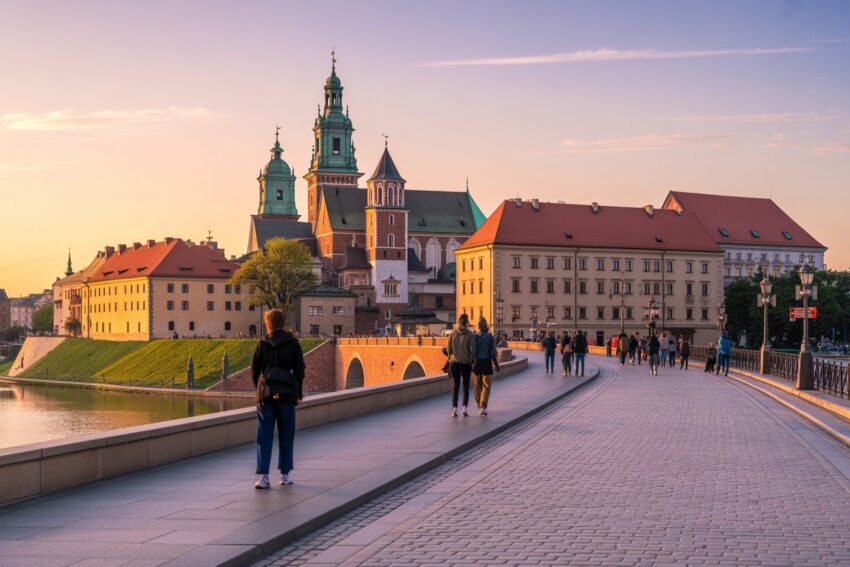
Amsterdam, known for its picturesque canals, vibrant culture, and world-class museums, is facing an overwhelming influx of tourists. With an estimated 20 million visitors annually, the city is struggling to preserve its charm while coping with overcrowded streets, rising property prices, and strained local services. The tourism boom has displaced many locals who can no longer afford to live in their neighborhoods. Amsterdam, once known for its welcoming, local vibe, is now increasingly dominated by commercialized areas catering primarily to tourists. By 2026, the city must find a balance between the economic benefits of tourism and maintaining its quality of life for residents. Effective measures such as tourist caps, sustainable accommodation options, and off-peak season promotion will be crucial in preserving Amsterdam’s authenticity and local spirit.
Measures Taken in Amsterdam
In response to growing crowds, Amsterdam has designated a “tourist-free zone” in certain parts of the city, such as residential neighborhoods, where visitors are discouraged from entering. This effort aims to preserve the authenticity of local life and reduce the impact of tourism on residents. Additionally, Amsterdam has invested heavily in sustainable transportation infrastructure, encouraging tourists to use bicycles or public transport instead of cars. The city is also working on increasing the availability of eco-friendly accommodations, reducing the carbon footprint of tourism.
Dubrovnik, Croatia: Preserving the Walls of History Amidst Mass Tourism
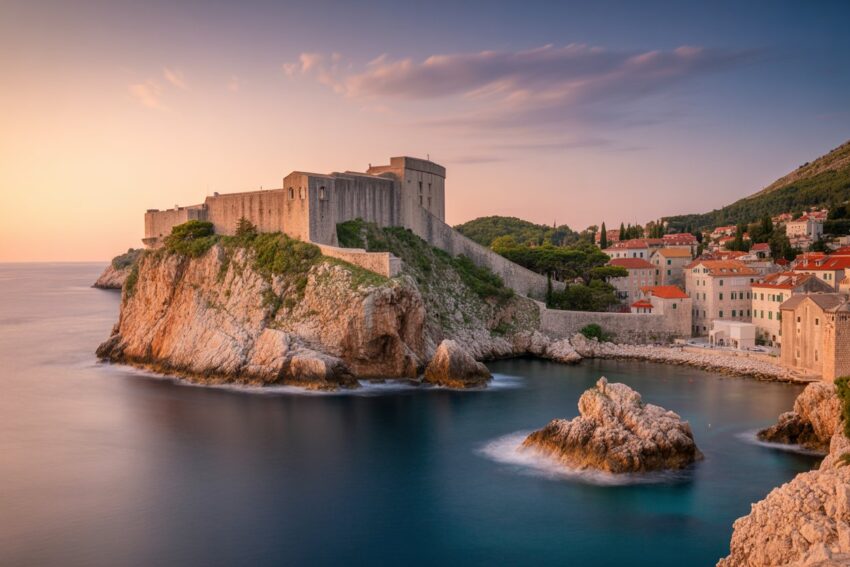
Dubrovnik, a UNESCO World Heritage site in Croatia, is experiencing the negative effects of overtourism. Once a hidden gem, the city now attracts millions of visitors, with some estimates suggesting 27 tourists for every local resident during peak seasons. The influx of tourists has placed immense pressure on local services and the environment, with waste accumulating and local businesses struggling to meet the demands of transient visitors. The city’s iconic medieval walls are at risk of being eroded, both physically and culturally. By 2026, Dubrovnik must implement stronger measures to regulate tourism, reduce overcrowding, and safeguard its heritage. This includes promoting off-season tourism, limiting cruise ship visits, and investing in sustainable infrastructure to protect its delicate ecosystem.
Measures Taken in Dubrovnik
Dubrovnik has begun limiting the number of daily visitors allowed into the historic Old Town. This includes implementing a quota system for cruise ships, which have been a major contributor to overcrowding. The city is also focusing on promoting off-season tourism to spread out visitor numbers, particularly during the quieter months, and encourage visitors to explore other parts of Croatia outside of Dubrovnik. This helps alleviate the strain on the city during peak periods and benefits the wider region.
Santorini, Greece: An Island in Danger of Losing Its Authenticity

Santorini, Greece’s idyllic island known for its stunning sunsets and whitewashed buildings, has been overwhelmed by the growth of mass tourism. With its seasonal tourist rush, the island is now experiencing significant pressure on its local infrastructure, especially water and waste management systems. The rapid commercialization of the island’s resources has led to the erosion of traditional ways of life, with local businesses shifting focus to meet tourist demands. By 2026, Santorini could lose its cultural identity, with local residents displaced and traditional livelihoods at risk. To curb this, Greece must promote sustainable practices, including limiting visitor numbers and encouraging responsible tourism, to preserve the island’s natural beauty and local culture.
Measures Taken in Santorini
Santorini has enacted several water conservation measures in response to the increasing demand on the island’s limited water resources. Given the seasonal nature of its tourism, the local government is working with businesses to ensure water-saving practices are in place. Additionally, the island has started promoting sustainable tourism campaigns, encouraging visitors to respect the local environment and cultural traditions. These campaigns are designed to minimize waste, reduce environmental footprints, and foster greater awareness among both tourists and residents.
Prague, Czech Republic: The Price of Tourism on a Historic City

Prague, known for its charming Old Town and historic architecture, is grappling with overtourism. With over 9 million tourists annually, the city’s most famous landmarks, such as the Charles Bridge and Old Town Square, are often overcrowded. The rise of short-term rentals has contributed to escalating property prices, making it difficult for locals to afford housing. The influx of tourists has led to the erosion of local culture, with traditional shops and businesses being replaced by tourist-oriented establishments. By 2026, Prague must take action to ensure that tourism does not overshadow its authenticity. Sustainable tourism practices, including limiting visitor numbers and revitalizing local businesses, are essential to preserving the essence of the city.
Measures Taken in Prague
Prague has been taking steps to combat the effects of overtourism by tightening regulations on short-term rental properties to prevent them from further driving up housing costs for locals. The city has also invested in tourist-friendly infrastructure, such as enhancing public transport options and creating more pedestrian-friendly spaces to manage the increasing number of visitors. Additionally, Prague has launched initiatives to spread tourism more evenly throughout the year and across different districts of the city to prevent overcrowding in popular areas like the Old Town.
Bourton-on-the-Water, UK: The Cost of Charm on a Small Village
Bourton-on-the-Water, a picturesque village in the Cotswolds, has become a victim of its own charm, drawing large numbers of weekend visitors. The small village, known for its beautiful stone bridges and scenic views, now faces significant traffic congestion and parking issues, disrupting local life. The influx of tourists has led to a shift in the local economy, with businesses catering more to tourists than to the needs of residents. By 2026, Bourton-on-the-Water risks losing its peaceful, village atmosphere if current tourism trends continue. Sustainable tourism measures, such as limiting visitor numbers and promoting responsible travel, will be essential to protect the village’s identity and maintain its charm.
Measures Taken in Bourton-on-the-Water
In Bourton-on-the-Water, a village in the Cotswolds, measures have been taken to control traffic congestion, a major issue due to the rise in weekend tourism. The local government has implemented timed entry systems for popular attractions and encouraged visitors to use public transportation or park at designated areas outside the village to reduce car traffic. Additionally, the village is working to balance the needs of tourists with the local community by promoting sustainable tourism practices that focus on supporting local businesses while maintaining the peaceful atmosphere that makes Bourton-on-the-Water so attractive.
The Economic Dilemma of Overtourism: Weighing Short-Term Gains Against Long-Term Sustainability
The economic benefits of tourism are undeniable, especially for countries and cities heavily reliant on the industry. Tourism generates billions of euros annually, supports millions of jobs, and boosts local economies by bringing in revenue from hotels, restaurants, attractions, and transportation. However, the economic prosperity generated by tourism is often unevenly distributed. While business owners in tourist-heavy areas reap the rewards, local residents face a rising cost of living, gentrification, and a lack of affordable housing. Furthermore, the sudden influx of tourists can push local markets and services beyond their capacity, leading to strains that result in environmental damage and a diminished quality of life for residents. As overtourism continues to escalate, it becomes crucial for governments and tourism boards to strike a balance between the short-term economic boost and the long-term sustainability of their communities.
The Role of Technology and Awareness in Combatting Overtourism
In the fight against overtourism, technology and public awareness campaigns play a crucial role. Platforms like social media have fueled the popularity of certain destinations, turning once-quiet areas into overcrowded hotspots. To combat this, responsible travel campaigns are increasingly using digital tools to spread awareness about the environmental and cultural impacts of tourism. Many cities are already using technologies such as real-time data, visitor tracking systems, and crowd management apps to monitor tourist flows and encourage visitors to explore less-crowded areas. Moreover, encouraging tourists to make environmentally conscious decisions, such as opting for public transport or supporting local businesses, is vital in mitigating the damage caused by overtourism. With the right strategies and technology, destinations can shift towards more sustainable models that promote mindful travel, benefiting both tourists and residents alike.
The Future of Overtourism: Shifting Towards Sustainable Tourism Practices
The future of Europe’s most popular destinations hinges on their ability to adopt sustainable tourism practices. As overtourism grows, it’s imperative for governments, businesses, and tourists to work together to preserve Europe’s natural and cultural heritage. Solutions like limiting visitor numbers, implementing tourist taxes, and promoting off-season travel are becoming more widely discussed as essential tools for curbing the impact of mass tourism. Additionally, promoting alternative, lesser-known destinations can help disperse the pressure on overcrowded areas while supporting the local economy in quieter regions. By 2026, a shift toward sustainable tourism practices could be the key to ensuring that Europe’s iconic landmarks and communities thrive for generations to come. Through mindful planning and collaboration, tourism can evolve from a threat to a tool for conservation and cultural preservation.
Italy and France are now battling overtourism alongside Greece, Spain, Croatia, and others, with urgent measures in place to protect heritage and local communities by 2026 amidst rising visitor numbers.
Conclusion
Italy and France, like Greece, Spain, Croatia, and other European nations, are facing an escalating overtourism crisis that threatens both their cultural heritage and local communities. With urgent measures now being implemented, these countries are striving to balance the economic benefits of tourism with the preservation of their unique histories and the well-being of their residents. As 2026 approaches, sustainable tourism practices, including visitor caps, infrastructure improvements, and responsible travel campaigns, will be critical to ensuring that Europe’s most iconic destinations remain vibrant and culturally intact for future generations.
