
Over the more than 15 years I’ve spent writing about cars, I’ve had my share of foot-in-mouth moments. One of my favorites (in hindsight, of course) happened on the launch of the Cadillac XT6 back in the summer of 2019. While traversing northern Virginia horse country with one of the company’s execs in tow, I casually asked what material the company had used to create the imitation wood used on the XT6’s infotainment bezel.
His reply was seasoned by notes of concern and confusion: “We, uh… don’t use fake wood in Cadillacs.”
You can imagine my embarrassment in the moment, but honestly, I think his was worse. After all, he might have been the guy that approved the paper-thin veneer that prompted my inquiry in the first place. Sure, I was the idiot who couldn’t tell the difference, but you know what? Idiots buy cars too. This idiot eventually ended up with a Cadillac despite its lack of wood trim (fake or otherwise), but that’s a story for another time.
GM’s product managers could be forgiven for being on their heels in 2019, because in a way, the XT6 was doomed before it even arrived. Just weeks before it was revealed, another luxury brand across town by the name of Lincoln showed not just a competing SUV, but a complete reboot of its design philosophy. And Ford’s was a hard reboot. Where the XT6 was a cleaned up evolution of the Art & Science look that became Cadillac’s signature after Y2K, Aviator was a proper Art Deco-influenced throwback. Despite its humble platform-mate, the Lincoln managed to look coherently designed.

The XT6, while not at all offensive to the eyes, was simply boring by comparison. In my opinion, the basic design has actually aged quite well. But at the time, it looked exactly like what it was: something that had been engineered to fit a certain role—and a certain price point.
The Aviator, meanwhile, was not just stunning to look at; it was also capable of things the Cadillac was not—and could never be—by simple virtue of its restrictive front-wheel drive platform. Yeah, yeah, that old chestnut. But this isn’t just about smelling my own farts (this time). See, in their quest to cut costs, virtually every automaker spent the 2010s building front-wheel-drive transmissions with an ever-increasing quantity of forward gears while simultaneously downsizing their physical bulk. The resulting gearboxes were compact and relatively light given their complexity—great for reducing parasitic losses and improving fuel efficiency. Unfortunately, their delicately machined gears made them problematic when it came to every enthusiast’s favorite powertrain buzzword: torque.
Because every design was different, there was no single, universal limit to how much torque a midsize crossover could produce in this configuration, but think about it: can you name a front-wheel-drive-based SUV or trucklet from that decade that produced more than 300 pound-feet from the factory? There had to be a few… right? I’ll be here when you’re back from that rabbit hole.
Lincoln’s Explorer-based Aviator had no such restrictions. It utilized the same joint GM-Ford 10-speed auto that was destined for every rear-wheel-drive car or truck the company builds, from the lowliest turbocharged 4-banger Mustang to the supercharged F-150 Raptor R. Torque? No problem. Hybridization? Sure. The XT6, meanwhile, left the factory on day one with as much power as the platform would ever see. That’s forgivable in a Hyundai Palisade, but in a mid-tier luxury three-row with little else in the way of a personality? Snooze.
What would Cadillac have gained by investing in a midsize, rear-wheel drive SUV platform in the mid-2010s? Back then, Escalade was an island—not to be interfered with. Cannibalizing its sales with a compelling and less-expensive alternative would have been a dicey strategy for a product pitch. And we didn’t know it at the time, but a new ATS and CTS were in the pipeline too, albeit with different names.
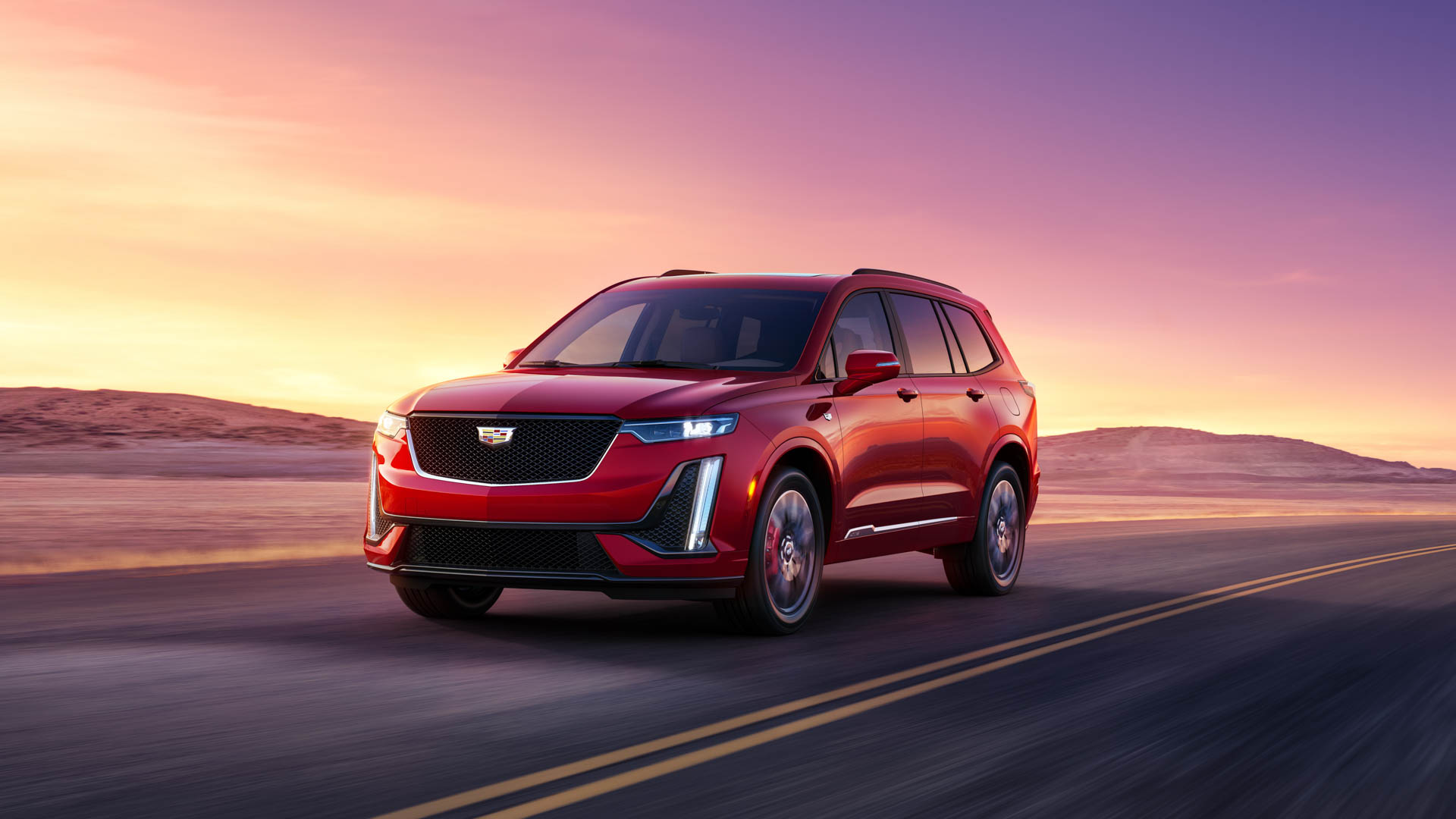
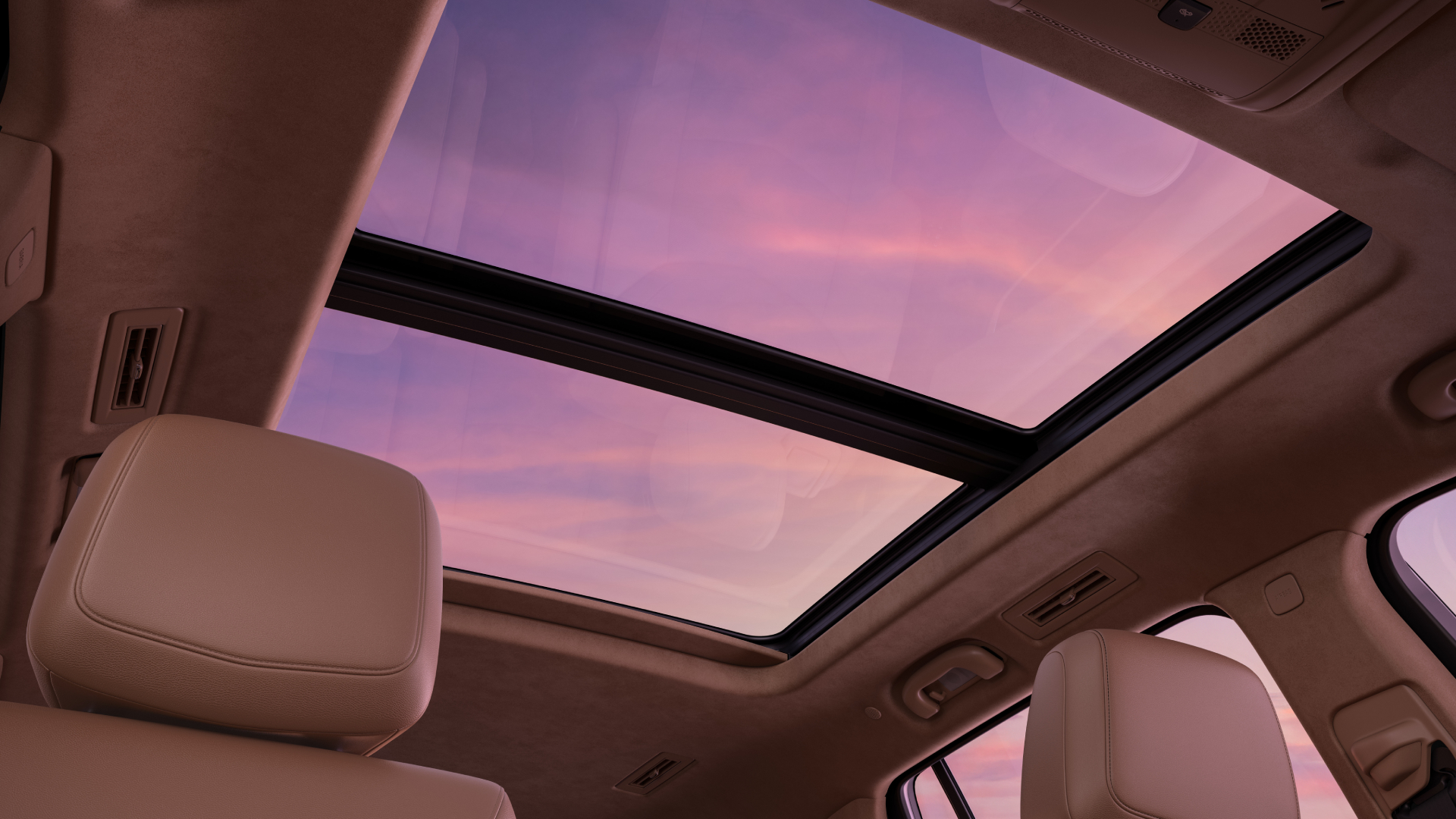
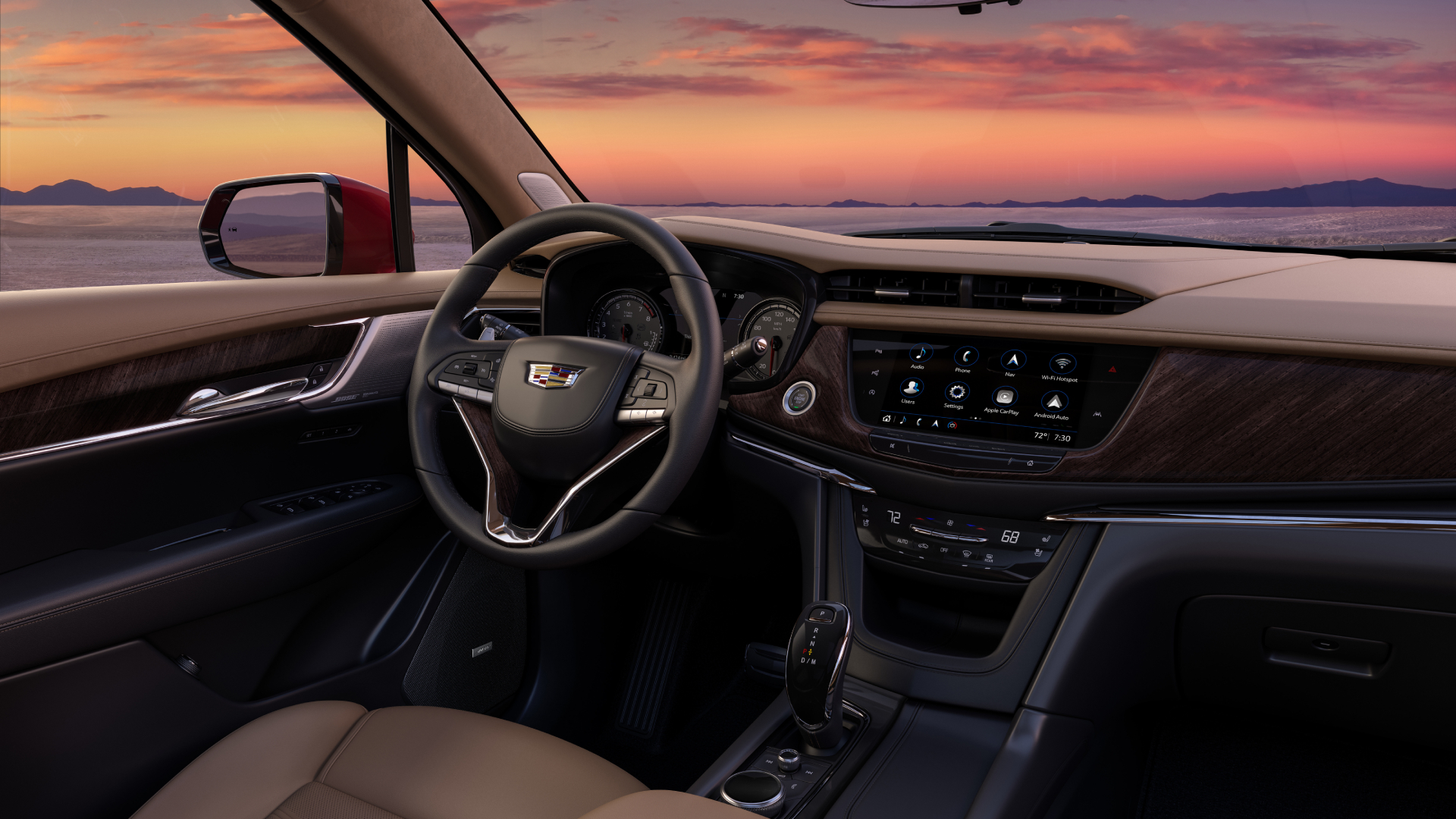
This leaves me with two “what if?” scenarios to ponder. In the first, Ford never departs from the old Explorer’s front-wheel-drive platform and produces a similarly uninspired Aviator, leaving the XT6 space to thrive. Sure, maybe we’d remember the Cadillac more fondly if the Lincoln hadn’t come out looking quite so spectacular by comparison. But to butcher a metaphor, we can’t control the tides. We can only build a better boat.
What would that have looked like? How about a proper SRX replacement—a rear-wheel-drive model built on a derivative of GM’s Alpha platform. Imagine an eventual lineup of XT4, XT5 and XT6 mirroring the CT4, CT5 and CT6. I wonder, did de Nysschen have a similar vision? He’s perhaps best remembered for his reputation as a habitual re-brander, but I can’t help but think his Europe-focused strategy would have been more comprehensive at worst, and perhaps more coherent at best.
We’re not even a decade removed from the XT6’s introduction, but already things are very different. The Escalade is still the company’s defining product, no doubt about that, but now it’s the source of the (not-so-secret) sauce that Cadillac is trying to suffuse throughout its lineup. Beneath the electric Escalade IQ is a midsize-, three-row Vistiq, which wears the “baby Escalade” badge with pride. If the XT6 had been caught trying to pilfer it from the bigger SUV’s nightstand back in 2019, somebody would have taken it out behind the woodshed and painted its bumper red.
In a way, the XT6 represented GM’s long-standing tendency toward risk aversion. My “what if” scenarios are all for naught in a corporate culture that rewards a conservative, proven strategy. And look what it produced: a safe, tame design that would age gracefully without offending potential conquest buyers. At that, Cadillac certainly succeeded. But the gap between “inoffensive” and “beautiful” can be miles wide, and now the XT6 is dead with virtually zero fanfare. Meanwhile, Lincoln’s on pace to sell 20,000-plus Aviators by the end of 2025.
Got a news tip? Let us know at tips@thedrive.com!