
Published on
December 28, 2025
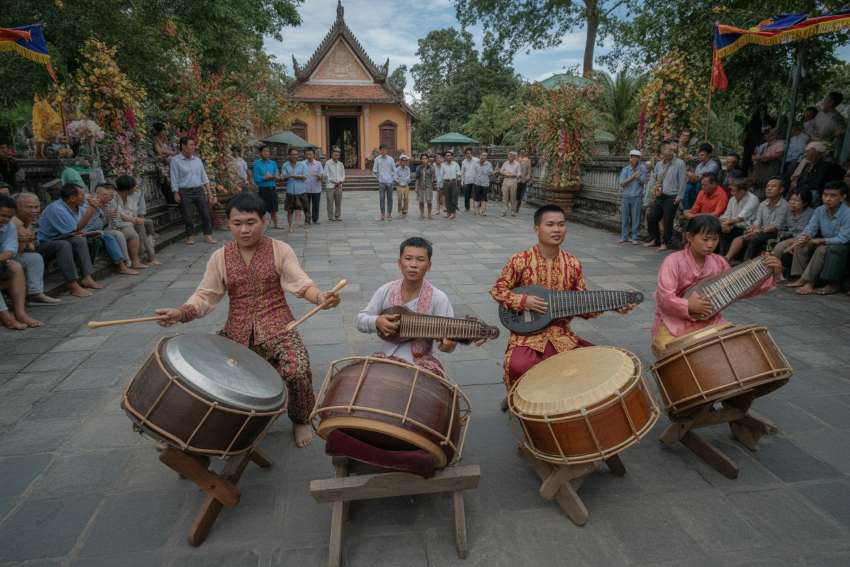
Five-tone music has long been revered as a musical treasure among Vietnam’s Khmer ethnic minority. This distinct style of music is more than just a festival tune; it is a sacred sound that represents humanity’s deep connection with the deities and the natural world. This distinct art form gained widespread attention in 2025 after being introduced at a cultural heritage event hosted by the Vietnam National Authority of Tourism. The event, held in Hanoi, aimed to highlight how Khmer rich cultural music could play an important role in tourism development, particularly in ethnic and mountainous areas.
Five-Tone Music: A Community-Centered Tradition
The five-tone music of the Khmer ethnic group is not just a musical performance but a communal ritual that requires collaboration and coordination among artisans. These performances, often featuring a variety of instruments such as gongs, drums, oboes, and boat-shaped zithers, are a vital part of life in the Khmer community. The music is played at religious ceremonies, festivals, and life-cycle events, showcasing its integral role in the Khmer people’s spiritual and community life.
The heritage of five-tone music is passed down through generations, keeping it alive in the hearts and practices of the Khmer people. As described by local monks and cultural practitioners, the music serves as a form of communication with the divine, often played to invoke peace, happiness, and community unity. The distinct tonal characteristics of each instrument blend together in harmonious symphonies, creating a profound auditory experience that captivates both locals and visitors alike.
Promoting Khmer Five-Tone Music as a Tourism Resource
The recent event, which took place from December 19 to 21, 2025, brought attention to the potential of integrating traditional Khmer music with tourism initiatives. The five-tone music was showcased to both local and international audiences, raising awareness of its cultural significance. Not only was the heritage honoured, but it also presented new opportunities for tourism development, particularly in cultural, spiritual, and festival tourism.
By promoting Khmer five-tone music as a central feature of these tourism sectors, the aim is to give visitors a deeper understanding of the Khmer community and its cultural heritage. This initiative also offers a platform for the younger generations of the Khmer people to learn and preserve this unique art form, ensuring its continuity for the future.
The Role of Khmer Buddhist Pagodas in Cultural Preservation
Khmer Theravada Buddhism plays a crucial role in the preservation and promotion of Khmer cultural values, including music, customs, and language. The abbot of Pitu Khosa Rangsay Pagoda in Can Tho, a region home to a large Khmer population, has emphasized the importance of these pagodas in both spiritual life and cultural education. With over 120 pagodas in Can Tho, these institutions serve as cultural hubs where traditional arts such as five-tone music are practised and preserved.
Through collaboration with local authorities, monks have been instrumental in supporting the younger generation’s involvement in cultural activities. This includes training in the Khmer language, script, customs, and arts. By weaving five-tone music into the fabric of community life, these pagodas not only maintain the heritage but also serve as educational centres that allow visitors to experience the Khmer culture firsthand.
Expanding Five-Tone Music into Cultural Tourism
The strategic promotion of Khmer five-tone music has already begun to attract tourists to Vietnam’s southern regions, particularly the Mekong Delta. In Can Tho, where the Khmer community forms a significant part of the population, five-tone music has become a feature at local festivals and religious ceremonies. By incorporating this music into spiritual tourism and cultural festivals, the region has seen increased interest from both domestic and international visitors who are eager to experience the rich cultural diversity of Vietnam.
According to experts from the Vietnam National Authority of Tourism, this initiative aligns with the goal of using intangible cultural heritage as a core resource for sustainable tourism development. The five-tone music not only attracts tourists but also enhances the cultural identity of the Khmer community, promoting a sense of pride and community cohesion. Moreover, as part of the growing trend of cultural tourism, this music provides visitors with a unique, immersive experience that goes beyond traditional sightseeing.
The Future of Khmer Five-Tone Music in Tourism
Looking to the future, there is a concerted effort to expand the reach of Khmer five-tone music, ensuring its presence in more Khmer villages and pagodas, particularly those involved in cultural, spiritual, and folk tourism. The aim is for this music to become an emblematic feature of the region’s tourism offerings, allowing visitors to connect more deeply with the local culture and heritage. By making the music accessible in key tourist locations, such as pagodas and traditional craft villages, the Khmer people are taking steps to preserve their cultural identity while contributing to sustainable tourism growth.
In addition, there is a focus on the professional development of artisans, with training programmes designed to hone the skills of those involved in the performance and preservation of five-tone music. These programmes are critical in ensuring the survival and evolution of the music, as they equip future generations with the expertise needed to maintain this rich tradition.
Bridging Cultural Heritage with Tourism Development
Khmer five-tone music is more than just an artistic expression; it is an important part of the Khmer community’s cultural identity. This music, when integrated into tourism development strategies, has the potential to be a key driver of sustainable tourism in Vietnam’s ethnic minority regions. The introduction of this heritage at events such as the one in Hanoi in 2025 demonstrates the growing recognition of intangible cultural heritage as a valuable resource for both cultural preservation and tourism development. As more people are exposed to this mesmerising music, they not only gain insight into Khmer traditions but also contribute to their preservation in the future.
