
The Star Wars sequel trilogy remains one of the most polarizing chapters in the franchise. While The Force Awakens and The Rise of Skywalker were frequently criticized for an over-reliance on the nostalgia of the original films, The Last Jedi took creative risks that fundamentally fractured the fanbase. Despite these tensions, the trilogy offered significant technical achievements, pushing the boundaries of visual effects and delivering some of the most visceral lightsaber combat in the history of the brand. Central to this success was the introduction of a new generation of icons, among whom Kylo Ren (Adam Driver) emerged as the definitive standout. His complex journey from the conflicted Ben Solo to the ruthless Supreme Leader of the First Order provided a necessary emotional weight that often anchored the surrounding spectacle.
As the grandson of Anakin Skywalker and the heir to the legacy of the Sith, Kylo Ren was depicted as a master of the Force with a raw power that distinguished him from his predecessors. From his very first appearance, the character demonstrated unprecedented control, famously freezing a blaster bolt in mid-air and holding it in stasis while conducting a psychological interrogation. This display of strength only expanded throughout the trilogy, particularly through the Force Dyad connection he shared with Rey (Daisy Ridley). This bond allowed the two to communicate and physically interact across the vastness of the galaxy, a phenomenon that redefined the limits of Jedi and Sith abilities. However, despite the staggering displays of power showcased on the big screen, the greatest Force feat attributed to Kylo Ren actually occurred within an overlooked animated television project.
Kylo Ren’s Power was at Its Peak in Star Wars Resistance
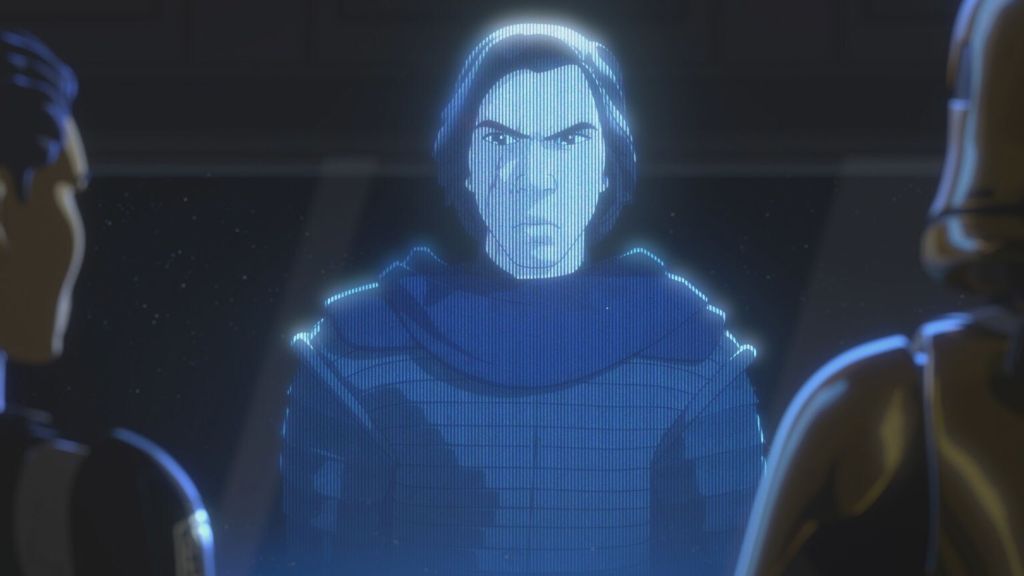
Debuting in 2018, Star Wars Resistance utilized a vibrant, cell-shaded animation style that stood in sharp contrast to the grittier aesthetics of The Clone Wars or Star Wars Rebels. Because the show was primarily targeted at a younger demographic and focused on a group of pilots rather than Force-sensitive warriors, it struggled to maintain the same level of adult engagement as its predecessors. Many viewers found the early episodes to be too lighthearted, and the central protagonist, Kazuda Xiono (voiced by Christopher Sean), was often criticized for being overly bumbling. Nevertheless, as Star Wars Resistance progressed toward its conclusion, it began to integrate more significant elements of the larger First Order conflict, eventually delivering a moment in the Season 2 finale that changed our understanding of Kylo Ren’s abilities.
The scene in question occurs in the two-part finale titled “The Escape,” which takes place before the events of The Rise of Skywalker. Frustrated by the repeated failures of his subordinates to capture the mobile refueling platform known as the Colossus, Supreme Leader Kylo Ren appears via a holographic transmission to confront Commander Pyre (voiced by Liam McIntyre) and Agent Tierny (voiced by Sumalee Montano). During this interaction, Kylo utilizes the Force to physically seize control of their bodies through the hologram itself. While standing in a completely different sector of the galaxy, Ren forces Pyre and Tierny to draw their blasters and aim them directly at one another. This act of Force puppetry through a digital medium represents an unprecedented level of mastery that far exceeds the famous long-distance Force chokes utilized by Darth Vader or Darth Sidious.
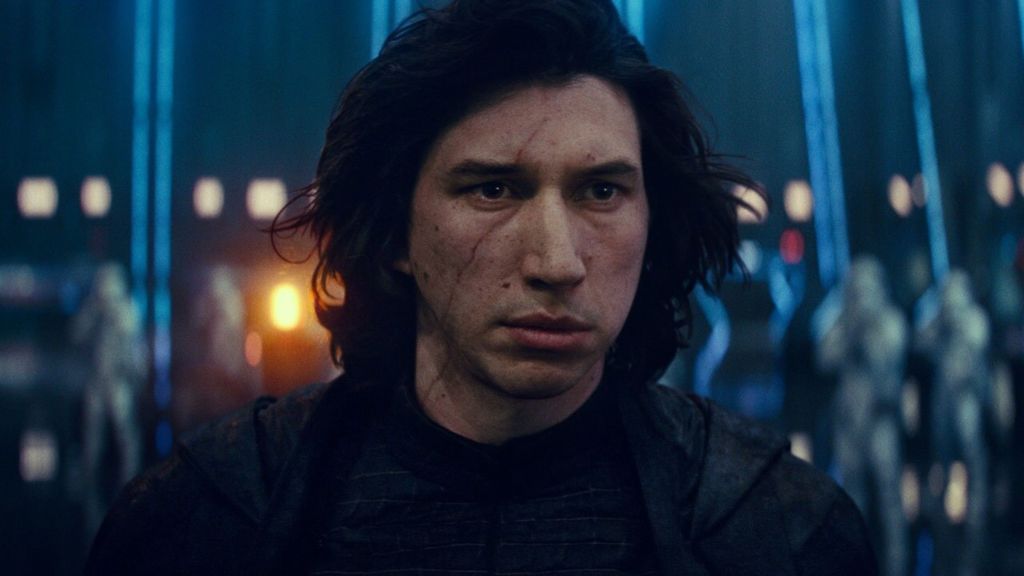
The specific feat depicted in Star Wars Resistance is significant because it suggests that Kylo Ren’s connection to the Force had reached a point where physical proximity was no longer a requirement for high-level manipulation. In the films, Force users typically require a line of sight or a deep personal connection to exert such direct physical influence over another person’s motor functions. By bridging the gap through a standard holographic interface, Kylo proved that his reach as Supreme Leader was truly absolute. It is a moment that highlights why he was the most dangerous individual in the galaxy during the First Order’s reign. So, while Star Wars Resistance may not have reached the same heights of popularity as other animated entries, it provided the definitive proof that Ben Solo’s power was even more formidable than the movies let on.
Star Wars: Resistance is currently available to stream in its entirety on Disney+.
Which other animated Star Wars moments do you think surpass the feats seen in the live-action movies? Leave a comment below and join the conversation now in the ComicBook Forum!