
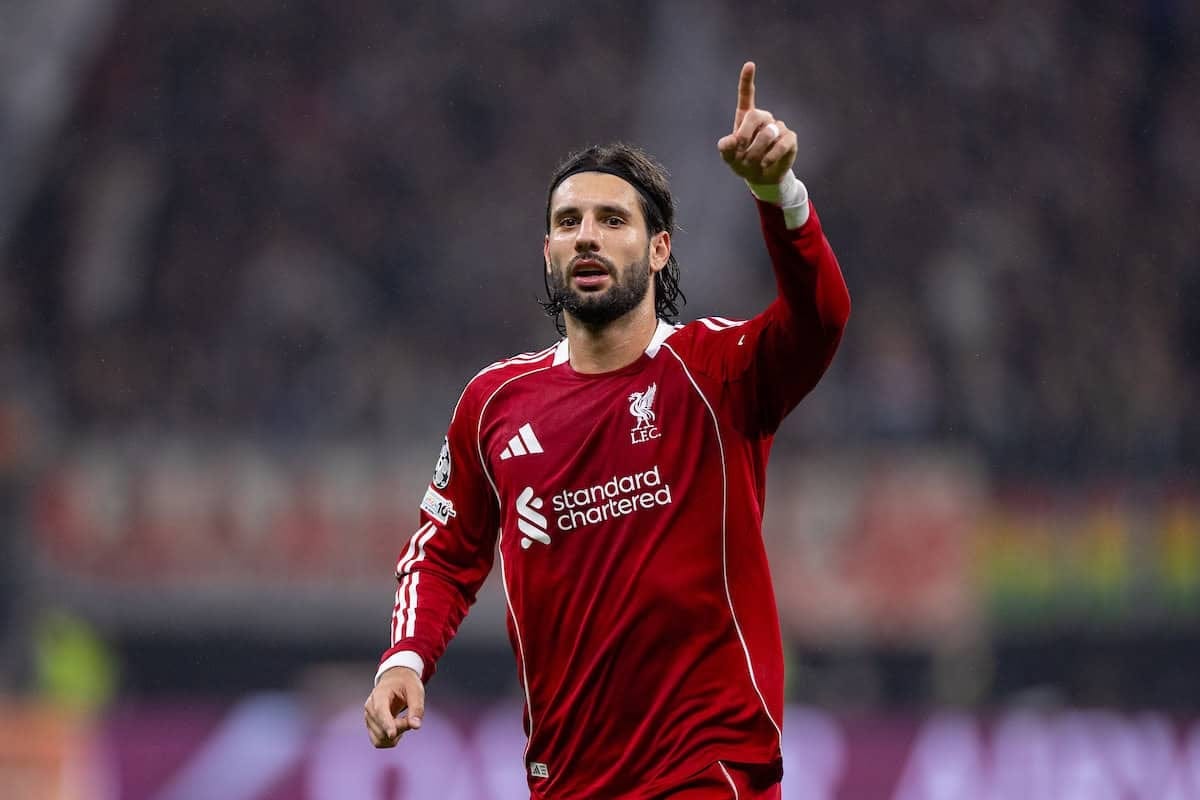
This season has proved to be quite challenging for Liverpool, as the defence of their title has been more difficult than most observers would have anticipated, given the manner in which the Reds triumphed last season.
The club described 2024/25 as “successful”, which was fair enough, given that they not only won the Premier League, but also returned to the Champions League, though they were eliminated in the last 16 by eventual winners Paris Saint-Germain.
In addition, they reached the final of the Carabao Cup, where they were defeated by Newcastle United, but were the victims of a classic giant killing in the FA Cup, when they lost to Plymouth Argyle in the fourth round.
Fans would have been concerned after the departure of the hugely charismatic Jürgen Klopp, but Arne Slot proved an inspired choice as his replacement, having been brought in from Feyenoord. That said, there have been a few more questions raised about the loquacious Dutchman this season.
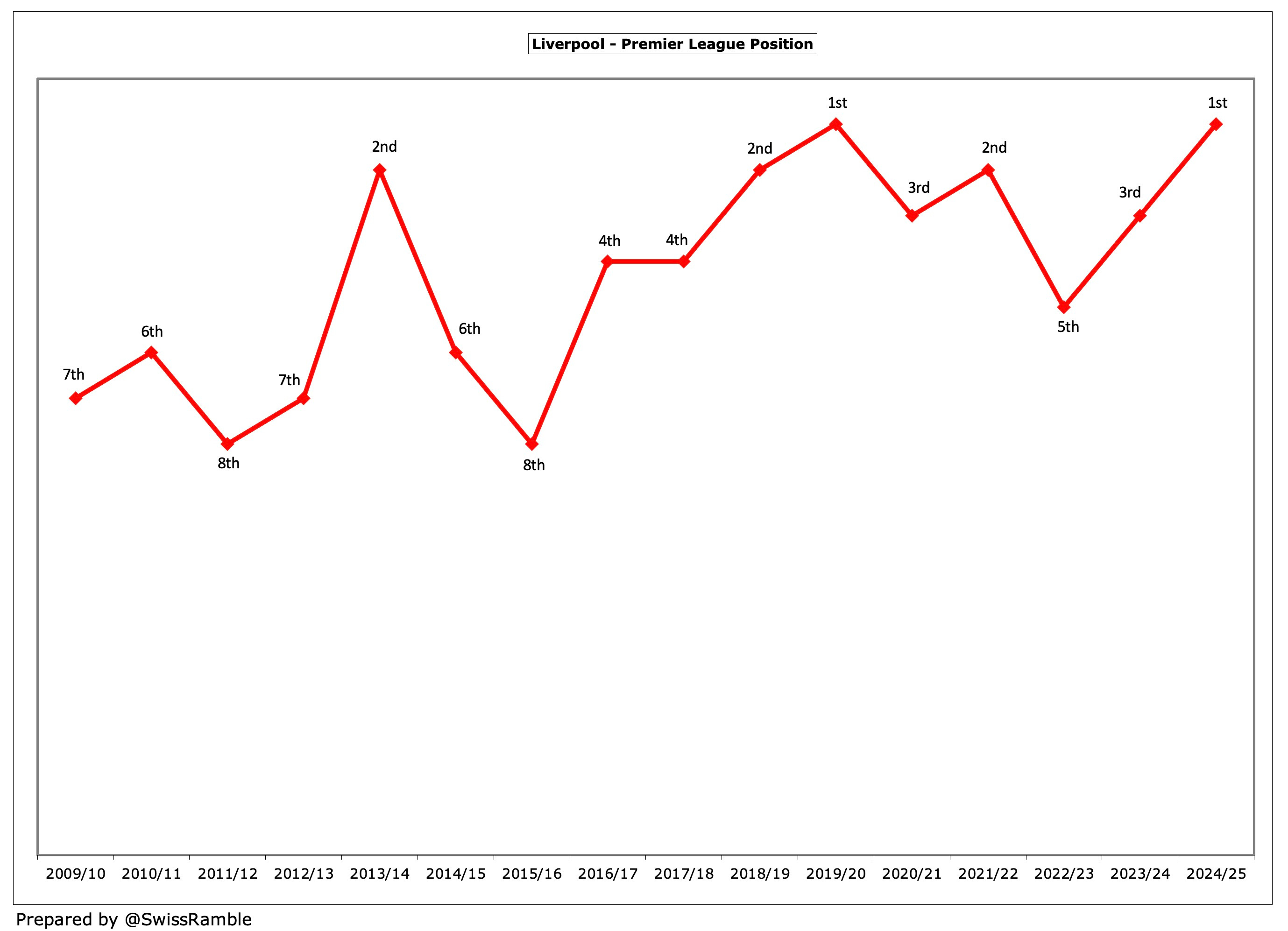
This was the second time that Liverpool had been victorious in England’s top flight in the last six years, enabling them to claim their 20th league title. They also finished runners-up and came third twice in this period, so they have done well on the pitch by anyone’s standards, which has fed into their financial results.
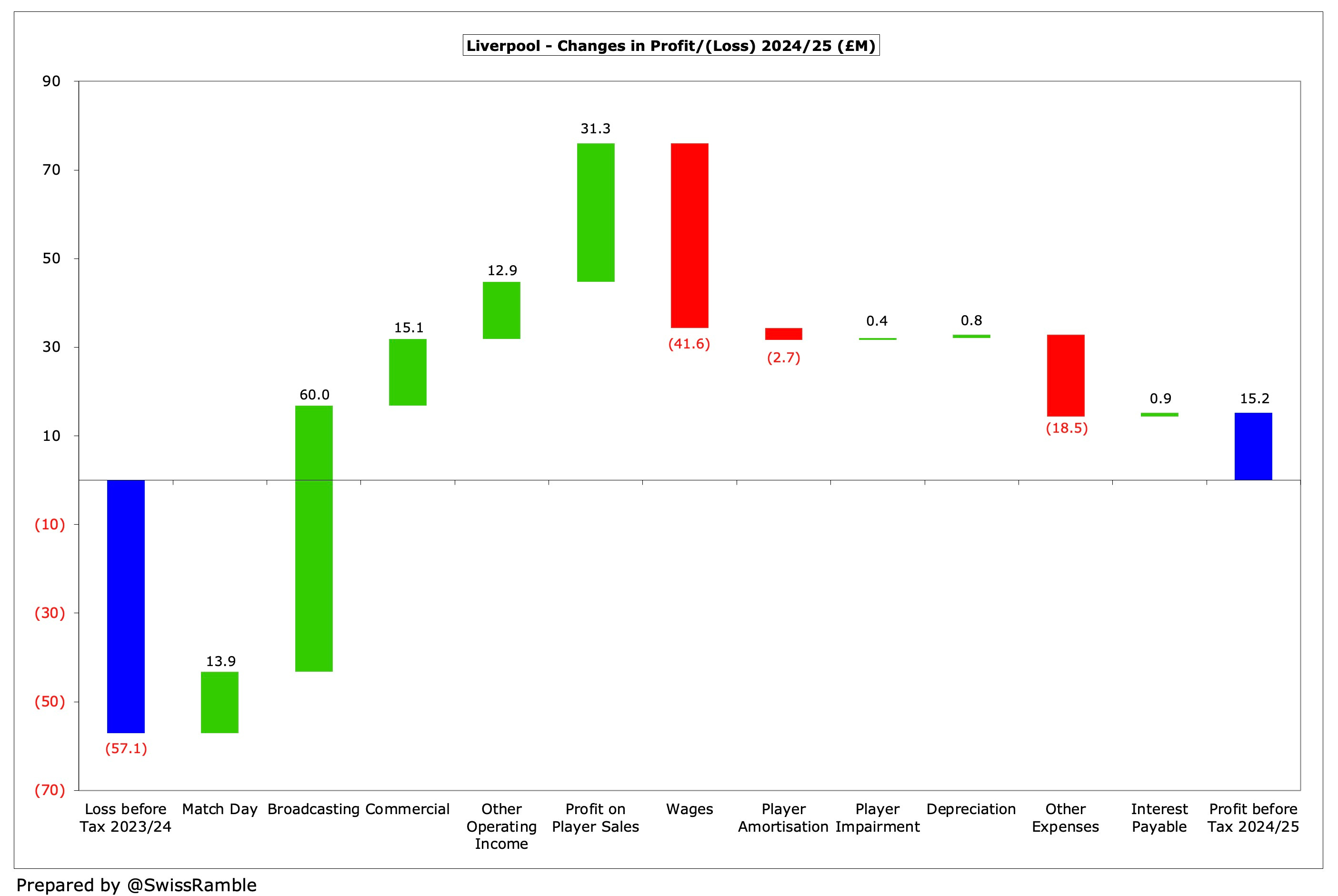
Liverpool returned to profitability last season, as they swung from a pre-tax loss of £57m to a profit of £15m, a big improvement of £72m in the bottom line.
Revenue shot up £89m (14%) from £614m to a club record £703m, while profit on player sales more than doubled from £22m to £53m.
However, there was steep growth in operating expenses, which rose £61m (9%) from £684m to £745m, though net interest payable slightly decreased from £9.4m to £8.5m.
The profit after tax was smaller at £8m, due to a £7m tax charge.
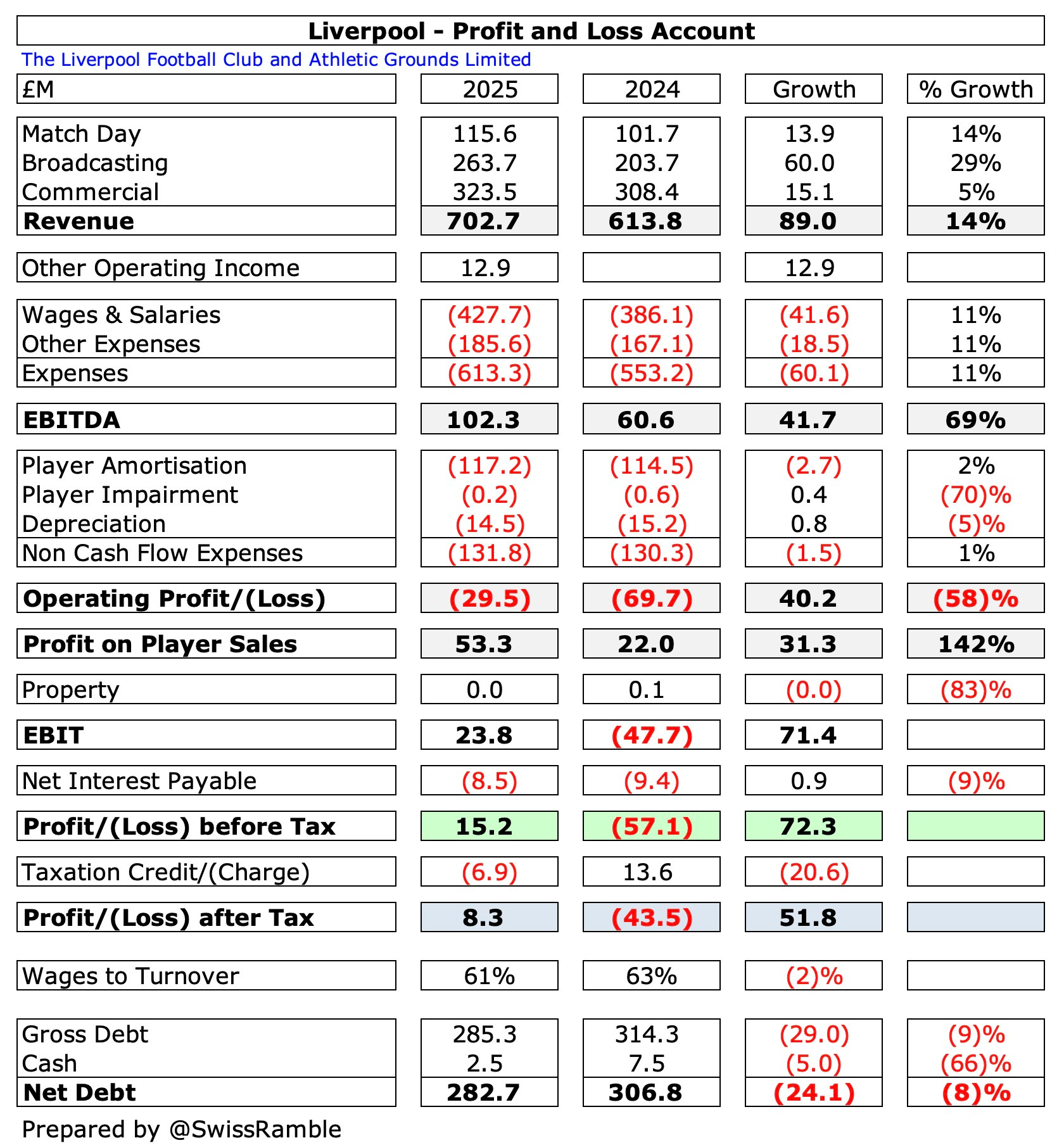
One of the main drivers of the growth in Liverpool’s revenue was playing in the more lucrative Champions League, as opposed to the Europa League the previous season, which led to a steep increase in broadcasting, up £60m (29%) from £204m to £264m.
There were also increases in match day, up £14m (14%) from £102m to £116m, and commercial, up £15m (5%) from £308m to £323m. Both these revenue streams established new club highs.
Jenny Beacham said, “We make no secret of our desire to run and operate a financially sustainable club, to grow revenue streams, and to do all we can off the pitch to help bring more success on it.”
The chief financial officer added, “The 2024/25 season is a great example of how this can work, with record revenues alongside the men’s team winning our 20th league title.”
However, Beacham admitted, “The club does face significant cost challenges, including rises in administrative, staffing and operational costs, alongside the need for us to compete at the highest level of the game across our men and women’s teams.”
As a result, there was a sharp increase in the cost base. Wages surged £42m (11%) from £386m to £428m, another club record, though player amortisation was only slightly higher, rising £3m (2%) from £114m to £117m. Other operating expenses also climbed by £19m (11%) from £167m to £186m.
This explains why Liverpool “only” made £15m profit, despite winning the Premier League and playing in the Champions League.
That said, this achievement should not be under-stated, as Liverpool are actually the only Premier League club to have posted a profit to date in 2024/25.