
New Roots Films follows Longevity Hackers with sequel aiming to bring longevity biotech, clinics and prevention into sharper mainstream focus.
A new documentary film, Longevity Revolution, is in development from New Roots Films, the team behind Longevity Hackers – and it is positioning itself as the “next chapter” in how longevity science is communicated to a broader audience. The project is billed as a deeper exploration of the longevity industry, moving beyond the early, often biohacker-led narrative toward a more mature portrait of research, technology and translation.
Directed by Emmy-nominated filmmaker Michal Siewierski and co-produced by entrepreneur and author Ruben Figueres, the film is currently in negotiation and casting, with plans to assemble a lineup of scientists, experts, celebrities and influencers, and to add entertainment elements designed to make the topic more accessible.
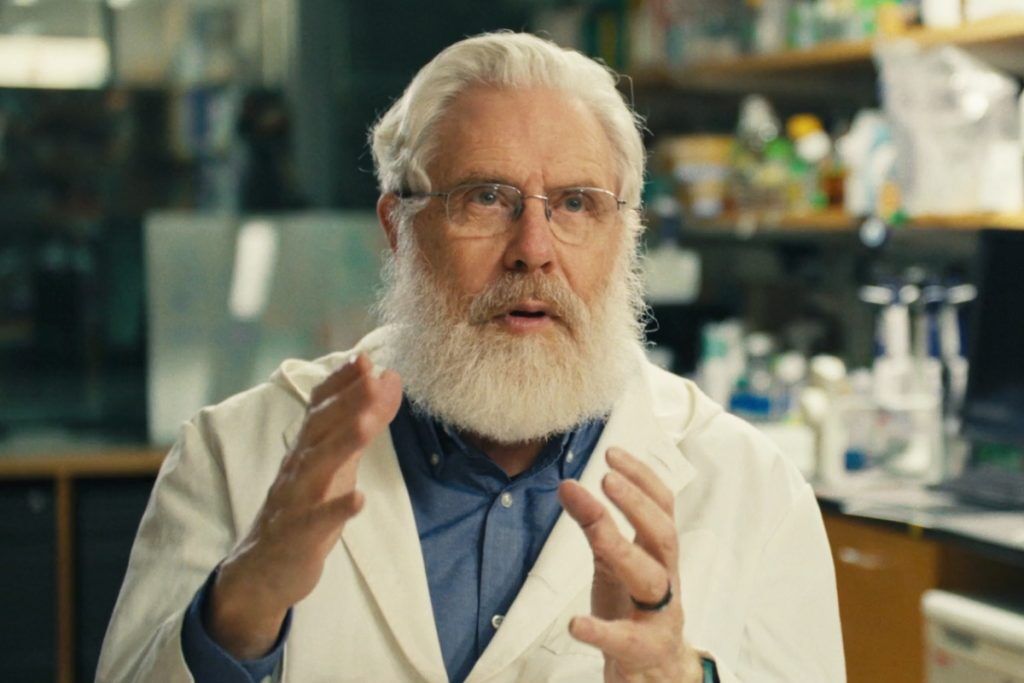
The newly released teaser trailer offers a hint of the film’s tonal balance: it includes appearances from George Church and João Pedro de Magalhães alongside more public-facing longevity figures such as Bryan Johnson, Brad Stanfield, Mehmood Khan and Aubrey de Grey – a lineup that suggests the filmmakers want to keep one foot planted in geroscience while still acknowledging the movement’s cultural gravity.
Longevity.Technology: There’s a reason longevity documentaries are having a moment – they do something our white papers and conference panels rarely can, which is make the biology of aging feel both understandable and actionable without turning it into a religion. If this new film helps more people grasp that “getting older” is not one monolithic fate but a set of modifiable processes – and that the most powerful longevity interventions available today are also the ones most within reach – then that’s a public health win in its own right. The opportunity, as always, is to keep the storytelling big while the science stays honest; inspiration is useful, inevitability is not – and if the film nudges viewers away from biohacker theater toward evidence-based prevention, measured risk reduction and clinically supervised care, all the better. For readers who watch and immediately wonder what to do next, our Longevity Clinics Directory is a sensible place to start – because in 2026, the smartest longevity plan is still the one that comes with proper assessment, qualified clinicians and a healthy skepticism of anything promising a shortcut to 120.
A sequel built on a crowded cutting room floor
New Roots Films says it conducted more than 70 interviews during the making of the first film, only to find that much of what it captured could not fit into a single feature-length documentary. In other words: the sequel is not being sold as a victory lap, but as a release valve – a second attempt to map a field that has become too large, and too consequential, to reduce to a single cinematic arc.
That “overflow” argument will resonate with anyone tracking geroscience in 2026, where the conversation is no longer simply whether aging is modifiable, but how quickly evidence can be translated into safe, regulated interventions – and how society builds the clinical, economic and policy scaffolding around that shift.
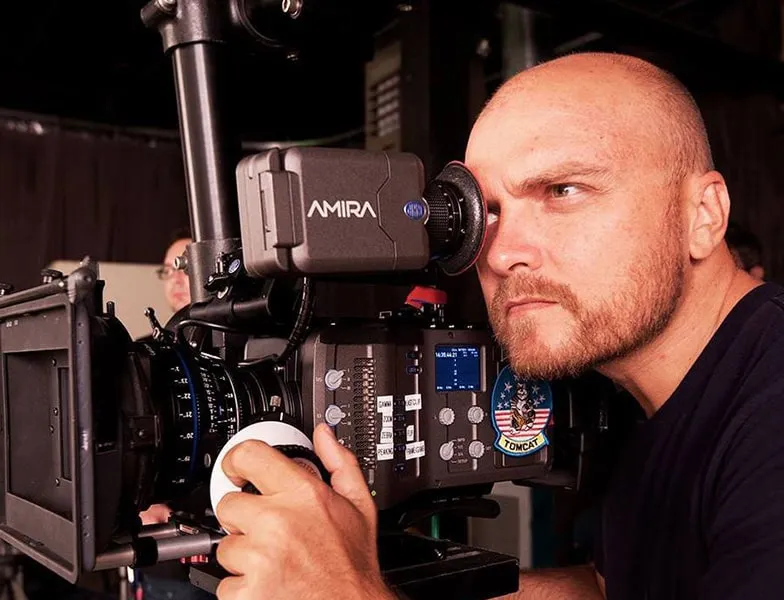
Siewierski describes the motivation with plain-spoken urgency: “The longevity space is evolving quickly. We decided to jump straight into a new film that captures the latest advances and cutting-edge science emerging in the field.”
From fringe to framework
The Longevity Revolution team positions the new film as a cultural marker. Longevity, they argue, is moving from niche to mainstream – and the tone of the movement is changing with it. Where the first film leaned into bold pioneers and early adoption, the sequel is framed as a portrait of a more evolved longevity ecosystem.
This distinction matters. “Longevity” has become an umbrella term for everything from biomarkers and clinical prevention to gray-market peptides and highly curated self-experimentation. Public storytelling can either sharpen those boundaries, or blur them. A documentary that foregrounds credible science, then uses personal narrative to carry it, may be one of the few formats capable of widening interest without widening confusion.
The business of visibility
It is easy to dismiss documentaries as “awareness content”, but awareness has downstream effects. A film can influence where consumers spend money, how physicians respond to patient questions, what investors decide is fundable and even how policymakers think about prevention-first health systems in aging societies.
That is why the film’s stated ambition – to combine mainstream entertainment with scientific substance – is not merely aesthetic. It is strategic. If longevity is to become a legitimate medical and societal agenda rather than a glossy wellness subculture, it must be communicated with enough clarity that the public can distinguish between plausibility and promise, and between clinical care and performance.
Science needs storytelling, too
New Roots Films says Longevity Revolution will blend high-production cinematography with cinematic animations designed to make complex science accessible. This is, frankly, sensible. The biology of aging is dense; the mechanisms are numerous; the timelines are rarely satisfying. If you want a general audience to hold onto concepts like senescence, epigenetic dysregulation, proteostasis and mitochondrial function, you will need more than slides.
Still, the film’s success will rest on a familiar test: can it keep the story big while keeping the science honest? Can it show the thrill of possibility without implying inevitability? Can it make longevity feel relevant without making it feel like a consumer identity?
A cultural project with scientific consequences
Figueres has described the film’s focus as broader than science alone, emphasizing personal journeys alongside research and innovation. “With Longevity Revolution, we wanted to go beyond the science. We’re highlighting transformative personal journeys – biohackers, scientists, influencers, and everyday people whose lives have been changed by these advancements. The emotional connection is as important as the data.”
This is a promising framing – provided the documentary remains disciplined about what the “advancements” truly are. In 2026, longevity science is no longer theoretical, but it is also not settled. The field is advancing through careful measurement, longer trials, better endpoints and more rigorous clinical practice; that is not always as cinematic as a radical claim, but it is where credibility lives.
The long game
Longevity storytelling works best when it leaves viewers with something sturdier than excitement: curiosity, discernment, and a sense of agency that does not depend on miracle timelines. If Longevity Revolution can do that – while keeping geroscience at the center and spectacle on a short leash – it may prove to be a useful cultural bridge between emerging science and everyday preventive action.
If you’re interested in the participation of your company or product in the movie, please let us know and we’ll pass along your details: