
In a space smaller than a passport photo, just 5cm by 6, one of the most tragic moments in modern Greek history comes to light 82 years later, exposing the atrocities Nazi Germany inflicted on the Greek people.
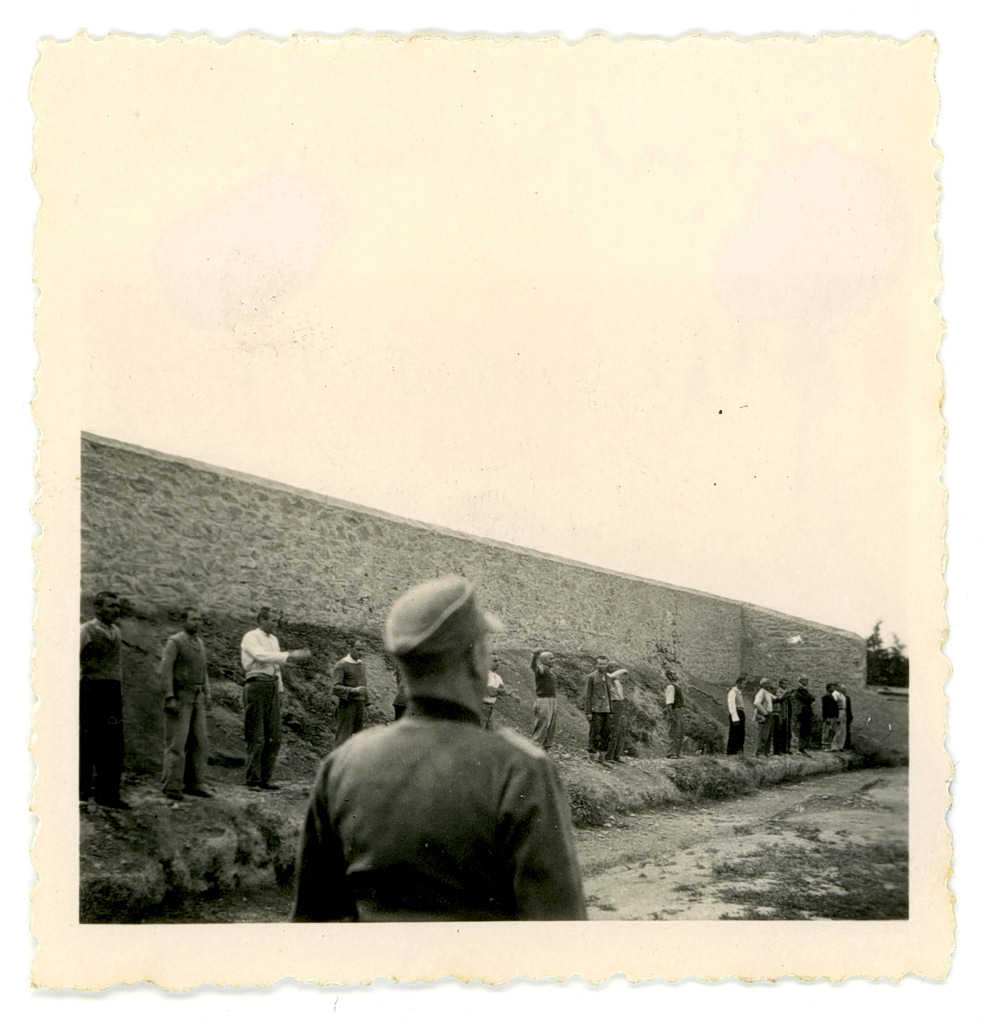
Moments from those dark days were captured on May 1, 1944, by the steady hand of a Wehrmacht sergeant who photographed the execution of 20 Greek men. They were among 200, most of them Communists and members of the Resistance, who were executed in batches of 20. Each group carried their dead comrades to the army trucks before their turn came. After the shooting, the photographer walked among the lifeless bodies, taking images of the corpses while another soldier, pistol in hand, ensured the fallen Greek prisoners were truly dead. If any still showed signs of life, he would shoot them again on the spot.
Minutes earlier, the men had been ordered to remove their coats so the bullets would penetrate their bodies more easily.
Composed and unwavering, the 20 men in the photos, just some of the hundreds who faced similar deaths across Greece during WWII and the German occupation, looked bravely into the camera on their way to the firing squad as the Wehrmacht officer immortalized the achievements of Nazi Germany on film.
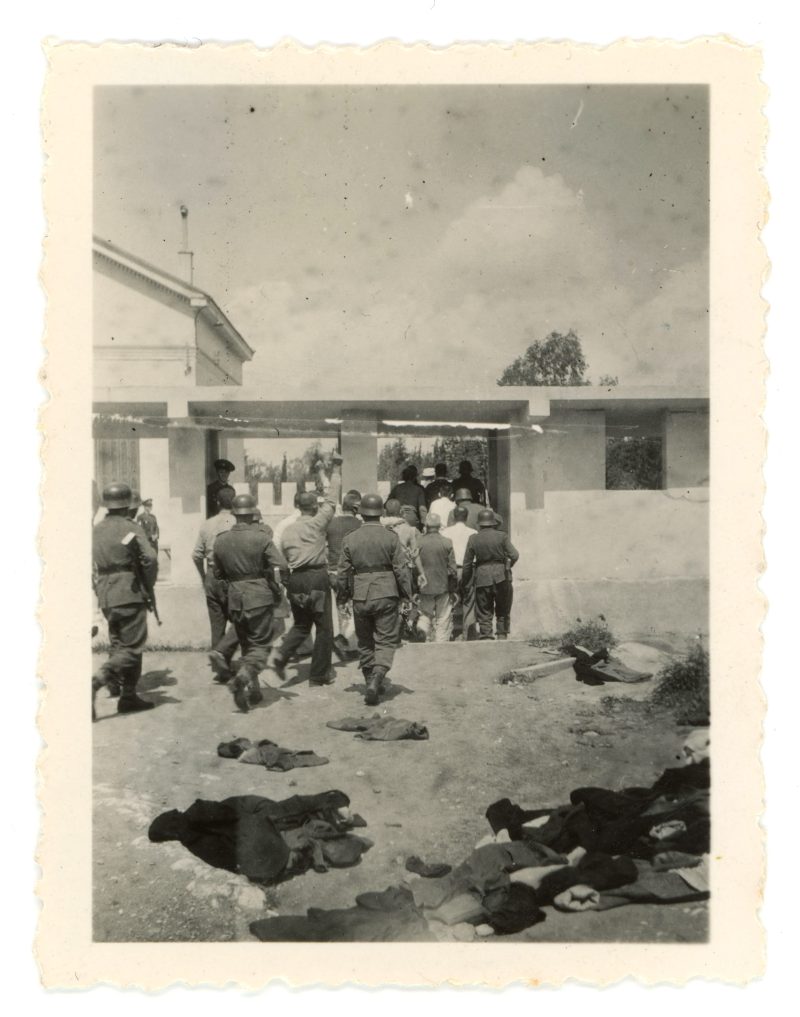
Minutes before the execution, Nazi soldiers order the first group of 20 men to remove their coats to make sure the bullets penetrate their bodies.
Their final moments stand as a stark reminder of a dark chapter in modern Greek history that must never be repeated.
The images remained largely unknown until this year.
€100,000 for a Glimpse of History
The photos of the Kaisariani May Day execution, 262 of them in all, shocked Greece after coming to public attention late in February, when Tim de Craene, a Belgian WWII memorabilia collector, decided to sell them on e-Bay.
The listing included the photos taken by German sergeant Hermann Heuer along with 16 documents, among them a collage of newspaper clippings and several Greek banknotes, assembled from his personal archive.
Within days, the discovery was sending shockwaves through Greece.
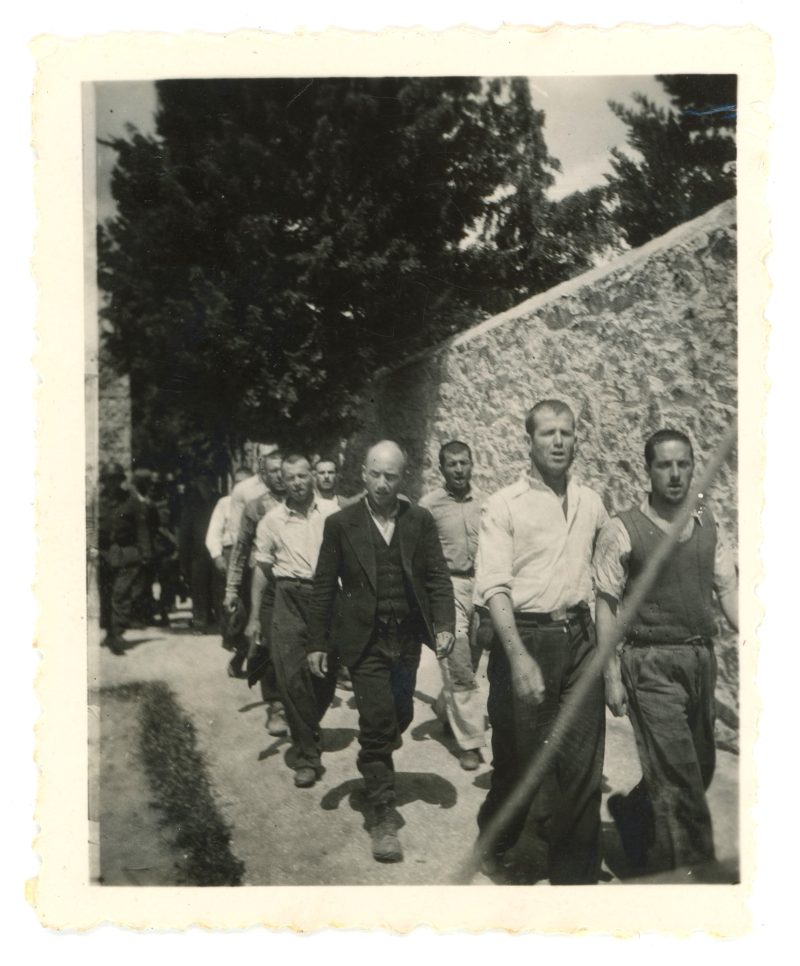
The political prisoners, mostly Communists and resistance fighters, walk toward their death, looking straight into the Heuer’s camera.
The Greek Culture Ministry moved quickly to stop the auction and negotiate the purchase of the collection. In less than two weeks, a committee of historians, archivists and conservators verified the authenticity of the images and the ministry began talks with de Craene.
“This is the first time a public body has moved so quickly and in such a coordinated manner to halt an auction and acquire material that forms a significant part of modern Greek heritage,” Culture Minister Lina Mendoni said during a presentation of the photographs in Athens in the first week of March.
The Greek Culture Ministry paid a total of 100,000 euros to acquire the collection. The entire archive is now officially the property of the Greek state.
Three Images Too Disturbing to Sell
In addition to the ten Kaisariani photos that had already been made public, the minister presented three shocking photographs of the May Day execution.
The images were considered too disturbing for public sale, and eBay had refused to list them, Mendoni said. The minister also requested, out of respect for the deceased and their families, that two of these should not be published. The third shows the moment the command is given and the Nazi soldiers open fire, leaving the 20 men dead.
Mendoni said the photos will go on public display in the future. “For the time being, 82 years later, we must show respect.”
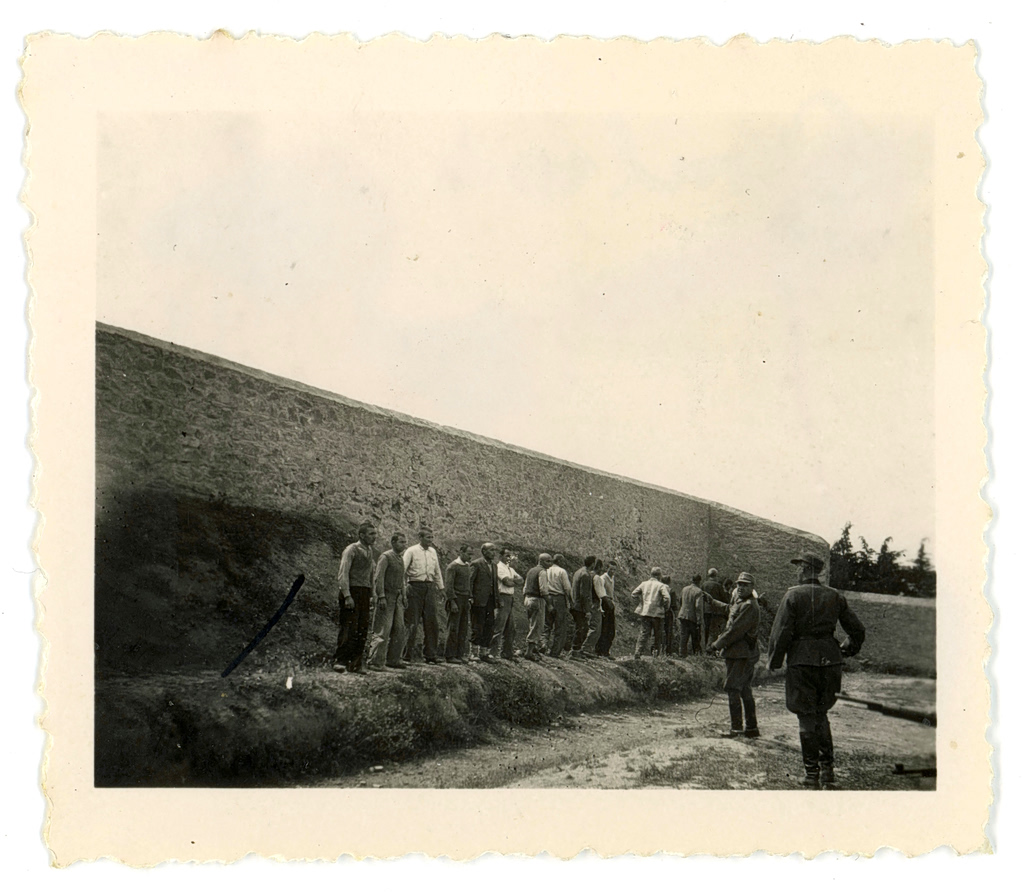
The 20 Greeks are lined up minutes before their execution at the Kaisariani firing range, today a major WWII memorial site.
May Day 1944 – Athens
The executions captured on film took place at the rifle range in Kaisariani, a district near downtown Athens, which is now one of Greece’s most important wartime memorial sites. The Nazis killed the men in retaliation -a common practice – for the murder by resistance fighters of German Major General Franz Krech in the town of Molaoi, in the Peloponnese. The 200 men were political prisoners held at the Haidari concentration camp.
Mendoni said the collection provides a rare and coherent visual record of the German occupation of Greece during World War II. Until now, historians have had few visual records of the mass executions carried out by German forces during the occupation. The Kaisariani photographs change that.
Kaisariani Photos Next Steps
The photos have now been officially designated “national monuments”, said Mendoni. This status places them under state protection and requires their preservation, scientific documentation and eventual public presentation.
The next phase involves extensive research. Historians will examine the circumstances surrounding the photographs and attempt to identify the people depicted. Families of the victims will also be contacted where possible. Once the research is completed, the findings will be presented at an academic conference, the minister added.
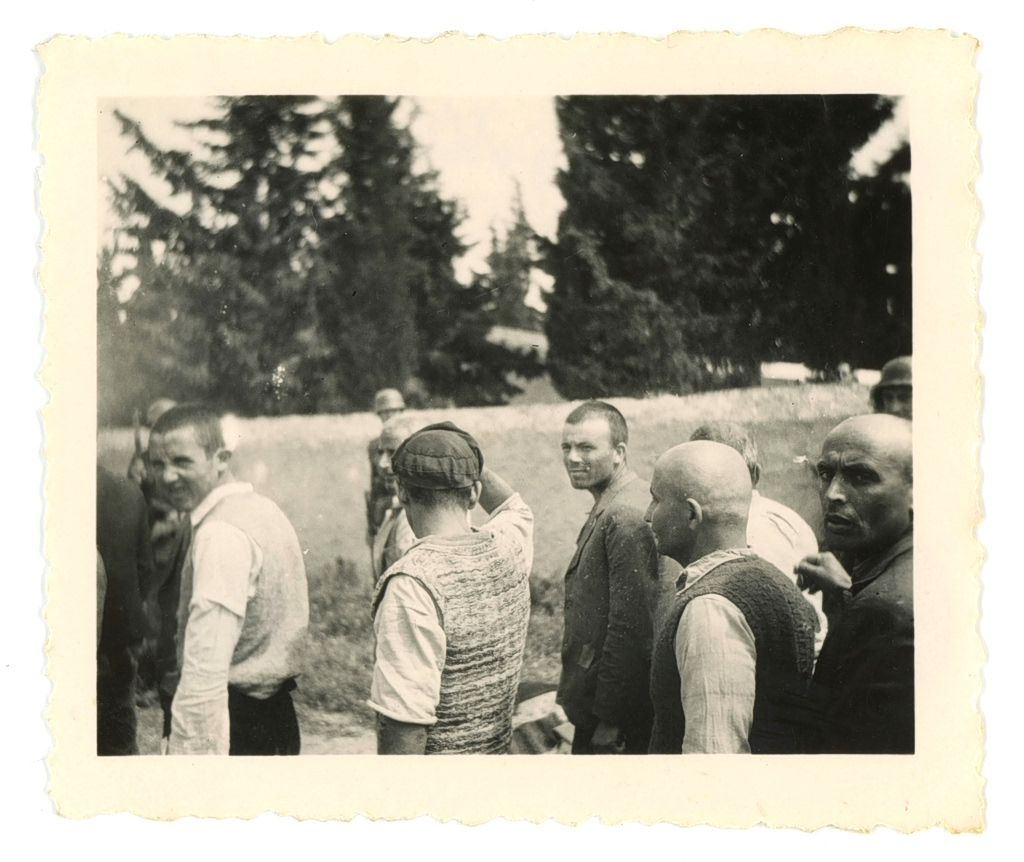
The political prisoners, mostly Communists and resistance fighters, walk toward their death, looking straight into the Heuer’s camera.
So far, no relatives of the executed prisoners have come forward, although several institutions have already expressed interest in the material, including the National Resistance Museum in Kaisariani, the Municipality of Haidari, the Greek Communist Party and the Municipality of Kaisariani.
Photographs of War… and Leisure
For historians, the images are significant not only for their subject matter, but also for what they reveal about the photographer’s mindset. According to the ministry’s committee of experts, the collection reflects a broader photographic culture within the German army during the war.
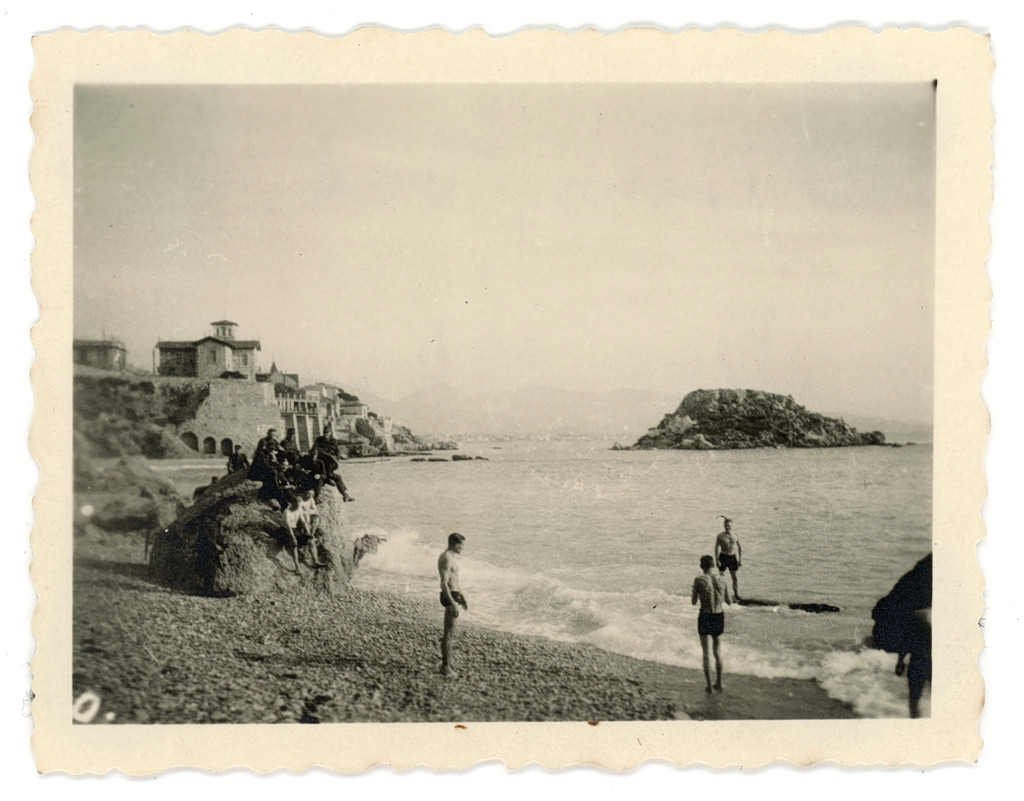
Alongside the photographs of executions, there are casual snapshots of the soldiers’ everyday life in Greece. Souvenirs of the Nazi experience abroad.
Maria Mertzani, head of the Directorate for the Conservation of Ancient and Modern Monuments, said the material has survived in remarkably good condition despite its age.
“It’s over 80 years old, so it requires special care,” she said. “Our priority now is conservation, digitization and long-term protection.”
Stavroula Fotopoulou, head of the Directorate of Modern Cultural and Intangible Cultural Heritage, said historians have immediately recognized the importance of the photographs.
“It was crucial that we acquired the material, so it can be preserved and made available for research.”
Fotopoulou noted that the photographs form part of a vast visual record produced during the war. “We are very much aware of the many photo collections circulating from the Third Reich, the Wehrmacht and Nazi soldiers,” she said.
“It is estimated that more than 40 million photographs were taken by Wehrmacht soldiers, and more than two million by Goebbels’ propaganda apparatus.”
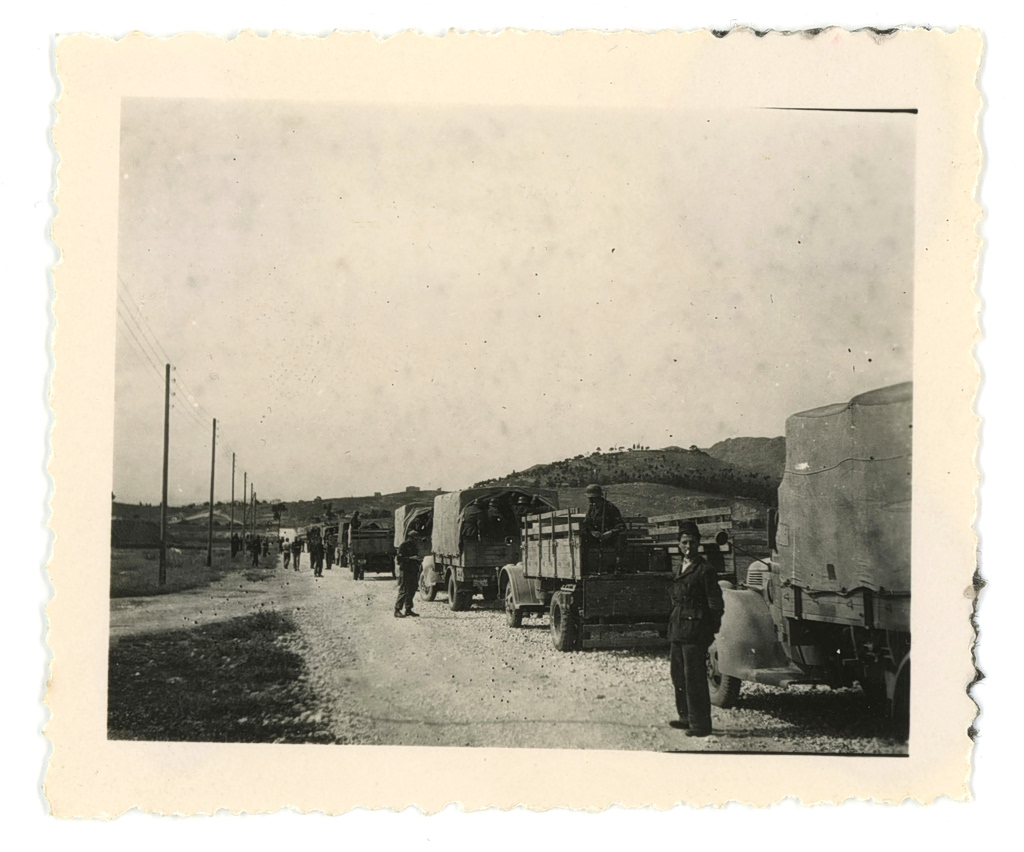
The Power of Propaganda
The images served both personal and political purposes. “Goebbels created a massive propaganda machine with professional photographers from the Propaganda Units, but everyone—soldiers and their families—were also encouraged to photograph their experiences. Why? So these photographs could come back and tell the story of the Wehrmacht’s success,” Fotopoulou explained.
Goebbels served as Germany’s Minister of Propaganda from 1933 to 1945. He used the arts and the press to promote Nazi ideology. Actions were carefully orchestrated to convince German citizens of the importance of the war effort and to stir their patriotism.
The Kaisariani photographs were likely not official propaganda but part of this broader culture.
Historian Valentin Schneider, a World War II specialist at the National Hellenic Research Foundation who will lead the research project, describes them as “hybrid” images.
“They are private photographs documenting everyday life in the army, but they exist within the wider framework of Nazi wartime culture,” he said.
Other images in Heuer’s archive illustrate this contrast. Alongside the photographs of executions, there are casual snapshots of soldiers relaxing on beaches near Piraeus, touring the Acropolis or posing during training exercises. The juxtaposition is unsettling.
“These were souvenirs of the Nazi experience abroad,” explains photographer Socratis Mavrommatis. “The sergeant is detached from the crimes being committed. That’s why his collection includes spontaneous shots of everyday life.”
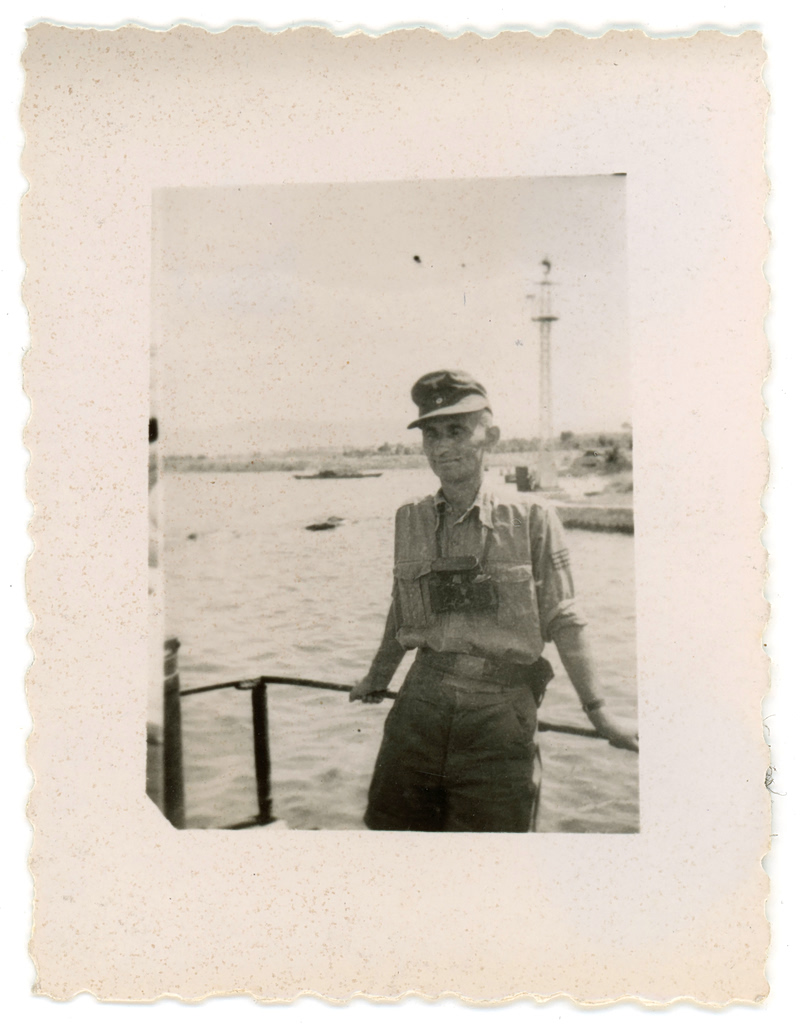
Wehrmacht sergeant Hermann Heuer with his camera photographed by a soldier.
In addition to the 13 photos of the political prisoners boarding the convoy from the camp in Haidari to their execution, others depict moments captured in Piraeus, Malakasa and Isthmia, as well as troops departing Germany by train and traveling through Yugoslavia to Athens in December 1943.
The point was to enrich Goebbels’ narrative that war was an adventure of discovery and exploration, says Schneider.
Toward a National Photo Archive
During the press conference in Athens, Mendoni announced plans to create Greece’s first National Photo Archive, which will operate as part of the National Archive of Monuments.
“The time has come,” she said. “It is now more necessary than ever, and there is so much material available.”
The archive will gather and preserve historically significant photographic collections from across Greece. Among other materials to be featured are photographs from the former royal estate at Tatoi, images documenting the arrival of Greek refugees from Asia Minor, and photographic records from the Archaeological Service.
The new archive will also collaborate with private collectors, she said.
The Kaisariani photographs will likely become one of its most powerful testaments.
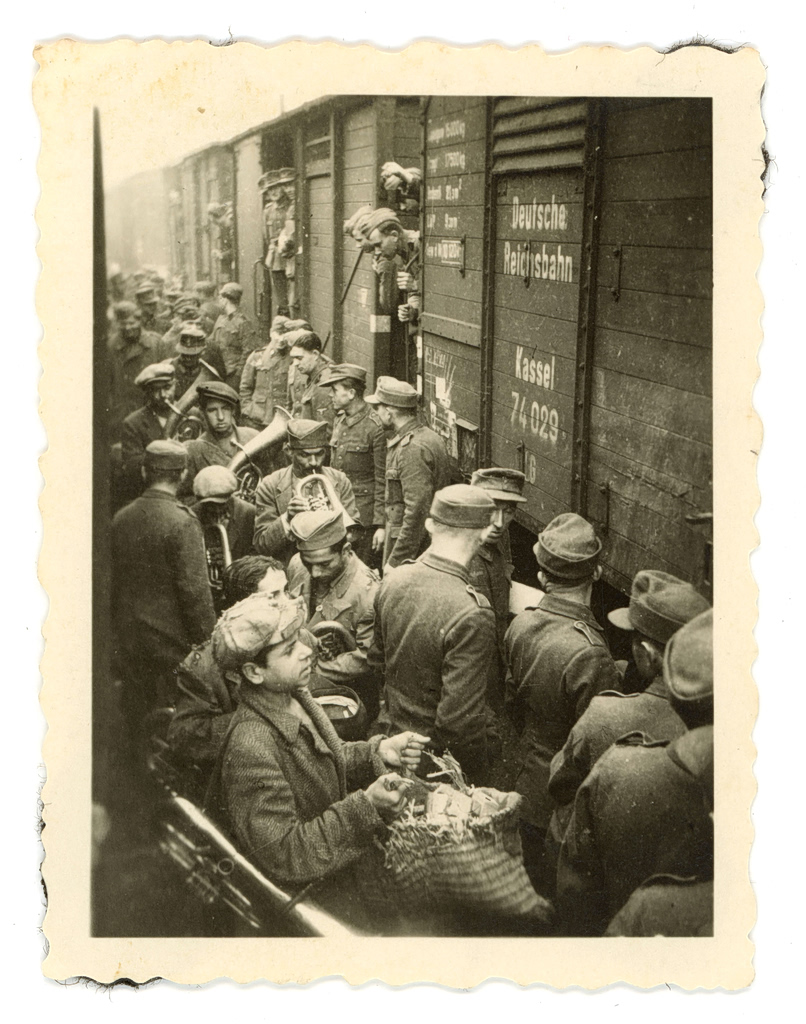
Nazi soldiers on their way to Greece, during the German occupation (April 1941–October 1944) in WWII.
The Question of German Reparations
Greece has repeatedly sought justice for the devastation caused during the German occupation of 1941-1944. The Nazis left the country’s economy shattered, destroying infrastructure, factories, roads and ports. Tens of thousands of civilians died from famine, forced labor, reprisals and mass executions.
One of the most devastating impacts of the occupation was the forced loan imposed in 1942. Nazi Germany compelled the Bank of Greece to provide interest-free loans totaling 476 million Reichsmarks to finance their military operations in the country.
Greece has raised the issue of reparations several times over the years, including in 1960, after German reunification in 1990, and more recently between 2015 and 2023. According to estimates cited by Greek officials, the country’s claims could amount to 300-350 billion euros.
Germany maintains that the matter was settled through post-war agreements, though Greece was never party to these, and the 1990 Two Plus Four Treaty. Greece insists that the claims remain legally active and enforceable, particularly in relation to the occupation loan and damages not covered by earlier agreements.
For decades, historians relied largely on written testimony and photographs of wartime destruction, bombed factories, ruined infrastructure and starving civilians to illustrate the scale of suffering during the German occupation. Visual documentation of mass executions in Greece was largely absent from public archives.
The newly-acquired Kaisariani photographs change that. They provide rare visual evidence of Nazi war crimes committed in Greece and contribute to a fuller historical record of the occupation.
They also prepare the ground for renewed discussion centered on the deep political divisions of the Greek Civil War that followed (1946 -1949).