
Nightdive VP of business development, Larry Kuperman, has announced his retirement from full-time work in the games industry. Kuperman’s 25-year career in games took him from publisher Stardock to retailer GameStop, but his most defining work was with the preservation specialists at Nightdive. I had the chance to speak with Kuperman about his career and decision to retire earlier this month at the Game Developers Conference.
The technical challenge of making an old game work on new hardware is one part of the story. The other, infamously, is untangling the tightly-wound knot of IP rights restricting access to some of the classics—spy shooter No One Lives Forever has proven a bit of a white whale for Nightdive, for example.
Article continues below
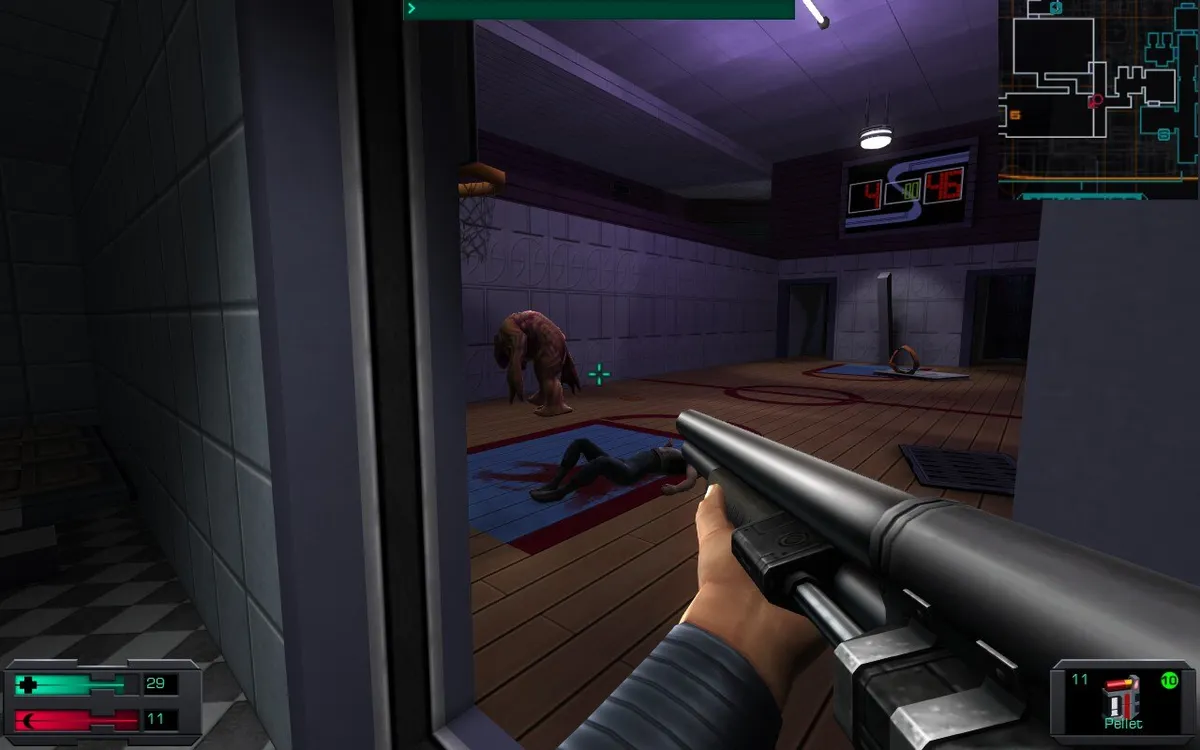
The other thing Kuperman wanted to see through to the end was last summer’s System Shock 2 remaster—which I highly recommend, by the way. The remaster was promised as a reward for Kickstarter backers of the ‘Shock 1 remake—also excellent—all the way back in 2016, and Nightdive honored those commitments nearly a decade later.
“If you need a whole lot from my generation, you better get it now,” said Kuperman “This has been a tough year. The loss of [programmer Rebecca Heineman] really, really hurt me. It was so sudden, and she was a person so full of life.
“And then not long after, Vince [Zampella] of course—I didn’t have a personal relationship with him, but everybody in the industry knew him, so it impacted all of us. My friend Paul Crockett passed January 1.”
Kuperman intimated that these losses partially motivated his decision to retire. But he won’t be leaving the industry entirely—Kuperman indicated that he still plans to be active with the International Game Developers Association (IGDA), “trying to make things a little bit easier for the people that are entering [the industry].”
“If I have one parting lesson to give to the industry, it’s never say die. Our industry is very forgiving, and even an old man with limited talents and a background in theater can make it,” said Kuperman. “The industry has been really, really good, certainly to me, to a lot of people. I found myself without a job, in my late 50s, and things somehow managed to work out a whole lot better than I had any right to expect.”