
Nintendo has always had a knack for creating games that transcend the hobby and bleed into mainstream culture. In 2026, the company is doing it again—this time, it’s a full-on assault. Between Animal Crossing: New Horizons‘ triumphant return, the phenomenon that is Pokémon Pokopia, and the impending launch of Tomodachi Life: Living the Dream, Nintendo has turned the first half of the year into a showcase for charming, social, endlessly shareable experiences that are dominating timelines everywhere.
Animal Crossing Returns to Reclaim Its Throne
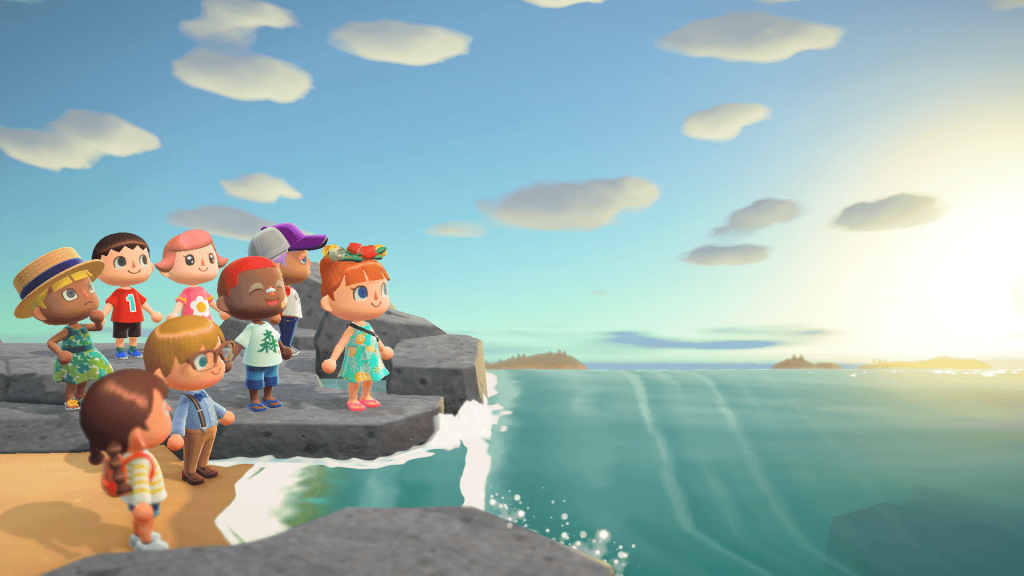
It’s hard to overstate what Animal Crossing: New Horizons meant to people in 2020. For millions stuck at home during a global pandemic, it was an escape, a creative outlet, and a way to stay connected with friends. But like any live service-adjacent experience, the island visits eventually slowed and the weeds grew back. The Switch 2 Edition and free 3.0 update changed that.
Launching on January 15, the update introduced a resort hotel run by Kapp’n’s family, new crossover items from The Legend of Zelda and Splatoon, Slumber Islands for endless creative tinkering, and a wave of quality-of-life improvements players had been requesting for years: batch crafting, expanded storage up to 9,000 items, and Mr. Resetti’s island cleanup service among them. The Switch 2 Edition layered on 4K visuals, mouse controls for decorating, 12-player online sessions, and CameraPlay support. All of that for a $4.99 upgrade.
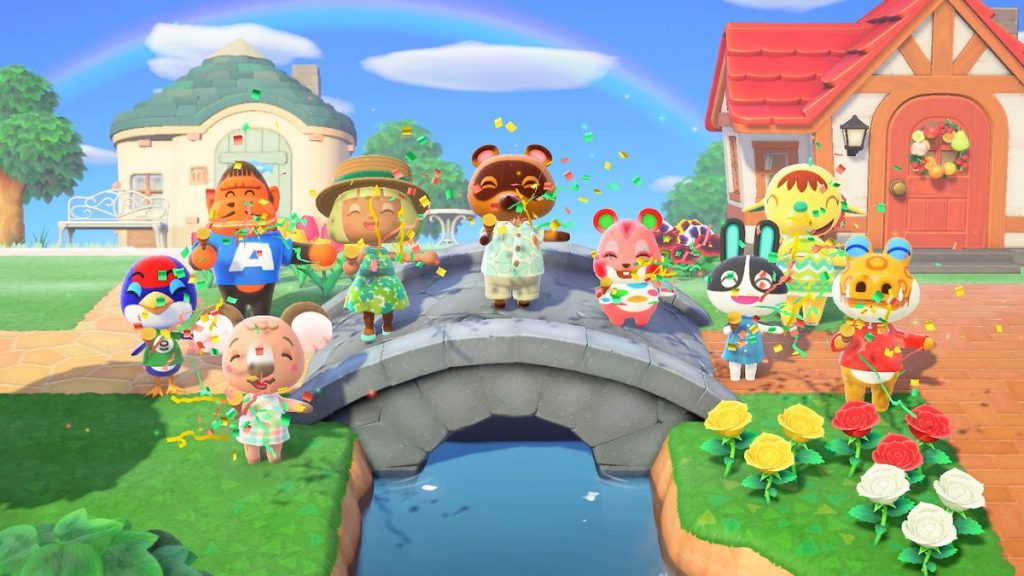
The result? Timelines filled with island tours and redesigned homes all over again. New Horizons reminded everyone why it was a cultural moment in the first place, and the fact that it’s still sitting comfortably on the Switch 2 eShop charts months later says everything.
Pokémon Pokopia Is a Once-in-a-Generation Hit
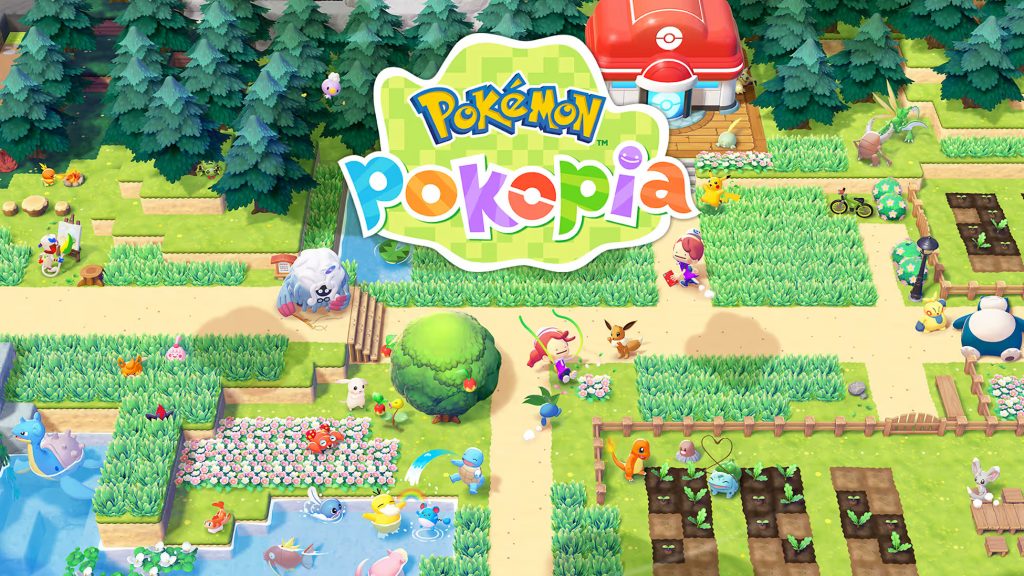
If Animal Crossing reminded people what cozy Nintendo magic felt like, Pokémon Pokopia cranked it to eleven. Co-developed by Game Freak and Koei Tecmo’s Omega Force (the team behind Dragon Quest Builders 2) Pokopia launched on March 5 and immediately became the highest-rated Pokémon game in over a decade and one of the best-reviewed games of 2026.
You play as a Ditto who has transformed to look like a human, tasked with rebuilding a post-apocalyptic Kanto region by crafting, gardening, and creating habitats to attract Pokémon back to the world. Critics have described it as a fusion of Minecraft, Viva Piñata, and Animal Crossing, but with the added warmth of genuinely befriending Pokémon in a way no previous game in the franchise has achieved. You’re not battling them or catching them in balls, you’re learning where they like to live, what they like to eat, and watching them help restore the world alongside you.
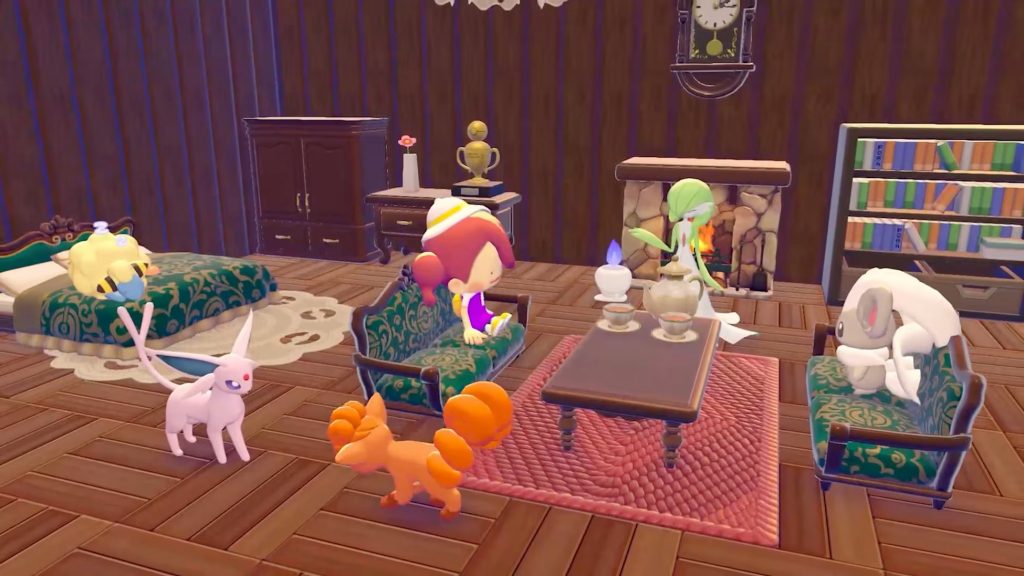
But what’s truly propelled Pokopia into the stratosphere is its player base. Social media has been flooded with jaw-dropping custom towns and elaborate Pokémon habitats that rival what the Minecraft community can produce. The game sold 2.2 million copies in its first four days—one million in Japan alone—and has topped the Switch 2 eShop charts every week since launch, actively boosting hardware sales in March. Pokopia isn’t just a great Pokémon game. It’s a generational one.
Tomodachi Life Is Already Going Viral (For Better and Worse)
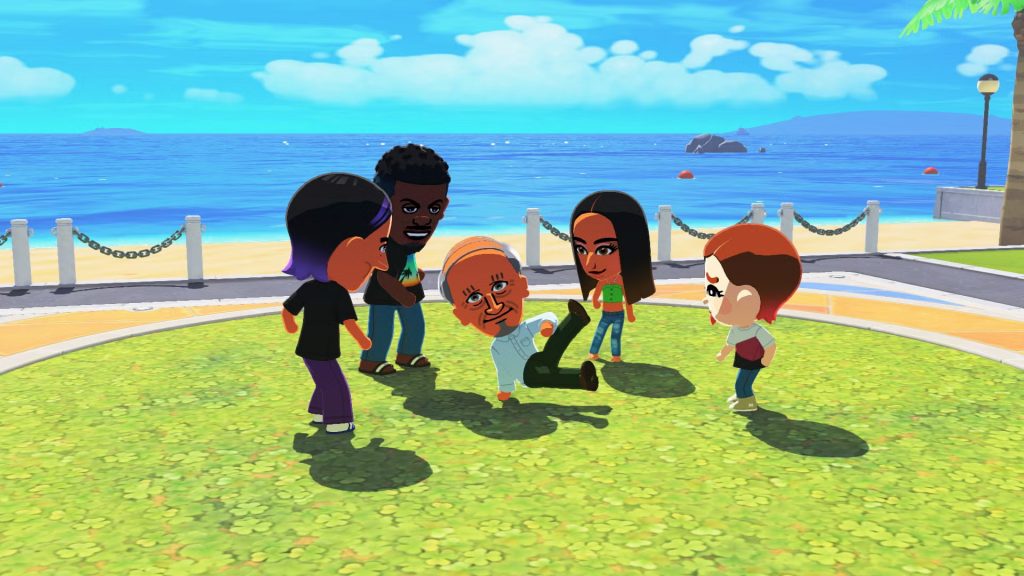
And then there’s Tomodachi Life: Living the Dream, which doesn’t even release until April 16 and has already taken over the internet. Nintendo shadow-dropped a demo on March 25, and within hours, social media was on fire.
The sequel to the beloved 2013 3DS original has improved on its predecessor in every conceivable way. Mii creation is deeper and more expressive than ever, with flexible options for gender, pronouns, dating preferences, and relationships—including same-gender couples who can have children. Players now have direct control over Mii interactions rather than relying on random chance, and the island itself is fully customizable. It’s the Tomodachi Life fans have dreamed about for over a decade.
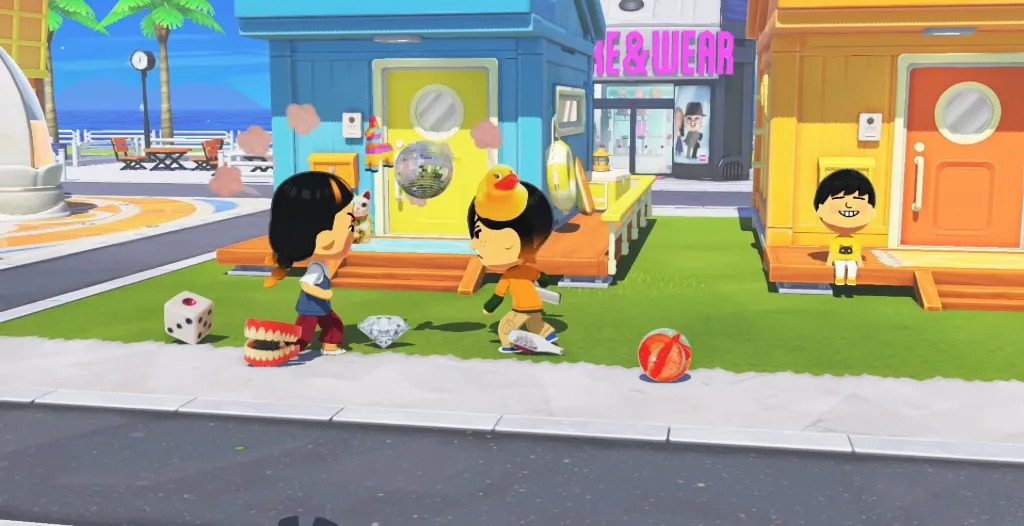
But with all that creative freedom (particularly the complete removal of any word filter on Mii dialogue) players immediately began making their Miis say things that would absolutely violate Nintendo’s terms of service. Clips of Miis having wildly inappropriate conversations flooded Twitter within hours. Nintendo anticipated this, disabling the ability to share screenshots and videos directly from the game to social media or smartphones before the demo even dropped.
The problem? People have phones. Disabling direct sharing hasn’t stopped anyone from recording their screens and uploading anyway. It sucks that a few bad eggs ruined what would’ve been a great feature for everyone (and honestly, a lot of the content is genuinely funny) but Nintendo chose to err on the side of caution. Regardless, none of this is going to stop the game from being enormous. Nintendo’s own marketing has leaned into the soap opera drama between its showcase Miis, the game topped Amazon Japan’s pre-order charts throughout March, and the buzz is deafening. It hasn’t even launched yet.
Final Thoughts
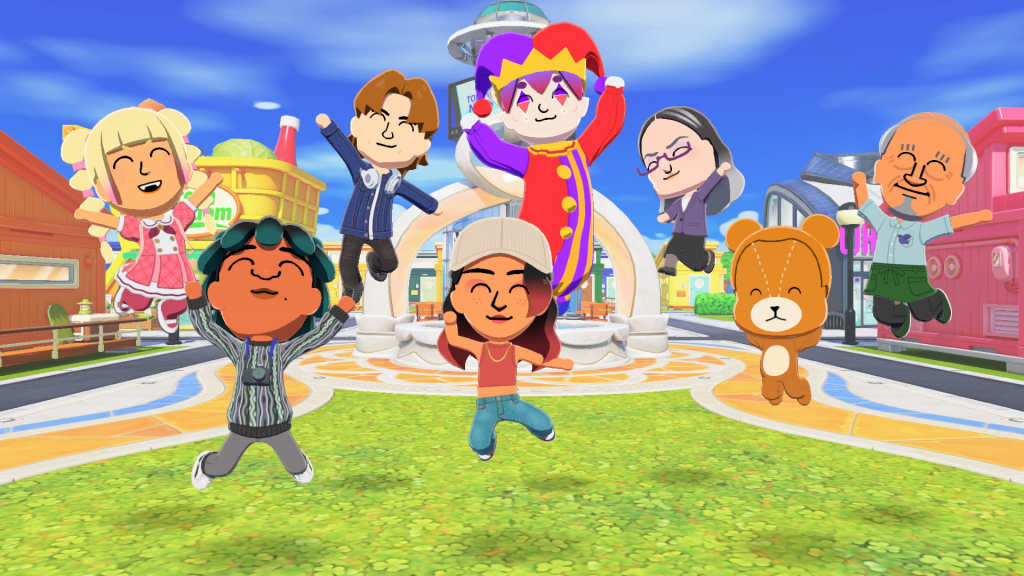
What makes this run so remarkable isn’t just that these are three great games, it’s that they all tap into the same cultural vein. Animal Crossing, Pokémon Pokopia, and Tomodachi Life are games designed to be shared, discussed, and experienced communally. They generate the kind of organic, player-driven content that no marketing budget can buy. A clip of someone’s elaborate Pokémon town, a ridiculous Mii interaction, a beautifully redesigned island—these moments spread because people genuinely want to show each other what they’ve created and experienced.
Nintendo has always understood that games are at their best when they bring people together. In the first half of 2026, they’re proving it in a way that feels almost effortless. Three social, cozy, endlessly charming games, all feeding off each other’s energy, all dominating the conversation. If you’re a Switch 2 owner, your free time doesn’t stand a chance.