
Multiple birds killed in single illegal baiting event at key Balkan breeding site
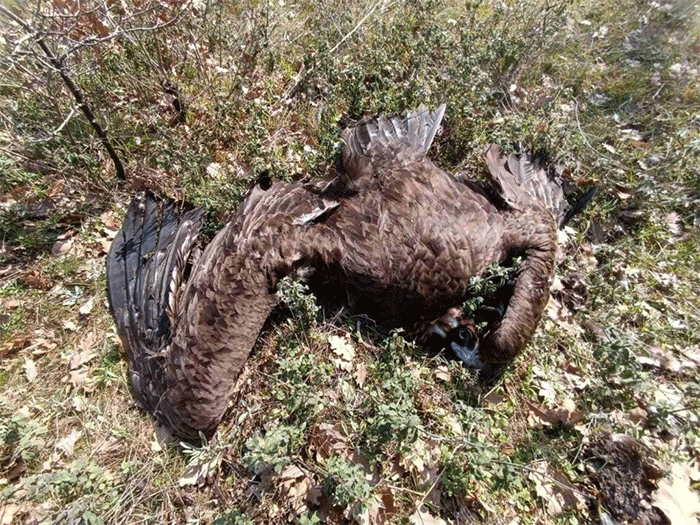
One of the victims of the poisoning incident at Dadia-Lefkimi-Soufli National Forest Park in Northeast Greece (© ©NECCA)
Mass poisoning at a critical stronghold
A major poisoning incident has struck the Dadia-Lefkimi-Soufli National Forest Park in north-east Greece, one of the most important sites for Cinereous Vultures in Europe. The Vulture Conservation Foundation (VCF), reporting the incident, has described it as a serious threat to the heart of the Balkan population.
The incident involved poisoned bait placed in the landscape, leading to the deaths of multiple animals across several species. Among the victims were nine Cinereous Vultures, with a further three individuals found alive but suffering from poisoning, two of which have since been released after treatment.
Wider toll of a single illegal act
The poisoning event extended beyond vultures, with a range of other wildlife also affected. A wolf, several foxes, ravens, buzzards and a beech marten were all among the casualties linked to the same bait.}
Investigators determined that the poison had been placed within pieces of a carcass deliberately left in the open, a method known to cause indiscriminate mortality among scavenging species.
Impact on a fragile population
The Dadia forest holds the last remaining breeding colony of Cinereous Vultures in the Balkans, with recent estimates suggesting between 36 and 47 breeding pairs.
The loss of at least nine birds – many of them breeding adults – represents a significant proportion of this population and comes at a particularly sensitive time during the breeding season. Vultures are slow to reproduce, with pairs typically raising only a single chick each year, meaning such losses can have long-term consequences.
A setback after recent recovery
The incident follows a period of gradual recovery for the colony, which has been rebuilding after severe wildfire damage in 2023. Conservation efforts in recent years had begun to stabilise numbers, making the scale of the losses all the more significant.
VCF warned of the broader implications, stating that “one criminal action could overturn decades of conservation efforts”.
Investigation underway
The discovery of the incident began after authorities found dead and distressed vultures during routine patrols. Subsequent searches, including the use of specialist poison-detection dogs, uncovered further victims across the area.
Investigations are ongoing, with efforts focused on identifying both the toxic substance used and those responsible. Conservation organisations have called for a full forensic inquiry and stronger enforcement to tackle the continued use of poisoned baits.
A persistent and serious threat
Illegal poisoning remains one of the most significant threats to vultures globally, often linked to attempts to control predators or resolve human-wildlife conflict. However, the use of poisoned carcasses frequently results in widespread collateral damage, affecting many non-target species.
For the Cinereous Vulture population in the Balkans, this latest incident is a stark reminder of how quickly progress can be reversed, even after years of coordinated conservation work.
April 2026
Get Breaking Birdnews First
Get all the latest breaking bird news as it happens, download BirdAlertPRO for a 30-day free trial. No payment details required and get exclusive first-time subscriber offers.
