From the beginning of Project Songbird, developer Connor Rush with FYRE Games has been incredibly open with us about the work and love he poured into the game. I really enjoyed that level of transparency, and I wish more developers of passion projects would embrace it. Now onto the game.
We play as Dakota, a musician better known as “NEON SONGBIRD,” who recently lost someone close to her. That grief is reflected in both her music and her mental state, something her producer, Rob, quickly picks up on. What follows is a crisis meeting about the future of her music. It’s a tense phone call where Dakota is determined to stick with her new direction, while Rob counters with the harsh reality that it simply isn’t selling, and money is quickly running out.
Realising Rob might be right, Dakota almost desperately asks what she can do. His solution is to go into complete isolation. He suggests she retreats to a friend’s cabin deep in the Appalachian wilderness, cut off from civilisation and technology, where she can focus on rediscovering her classic “NEON SONGBIRD” sound.
Once she arrives at the cabin, Dakota takes in the lay of the land and gets straight to work writing music while trying to overcome her depression and anxiety. It’s worth noting that Project Songbird takes a strong, mature approach to significant mental health issues. Before you even start the game, trigger warnings with labels and information are available to you so you can be prepared for what’s coming and if it’s for you.
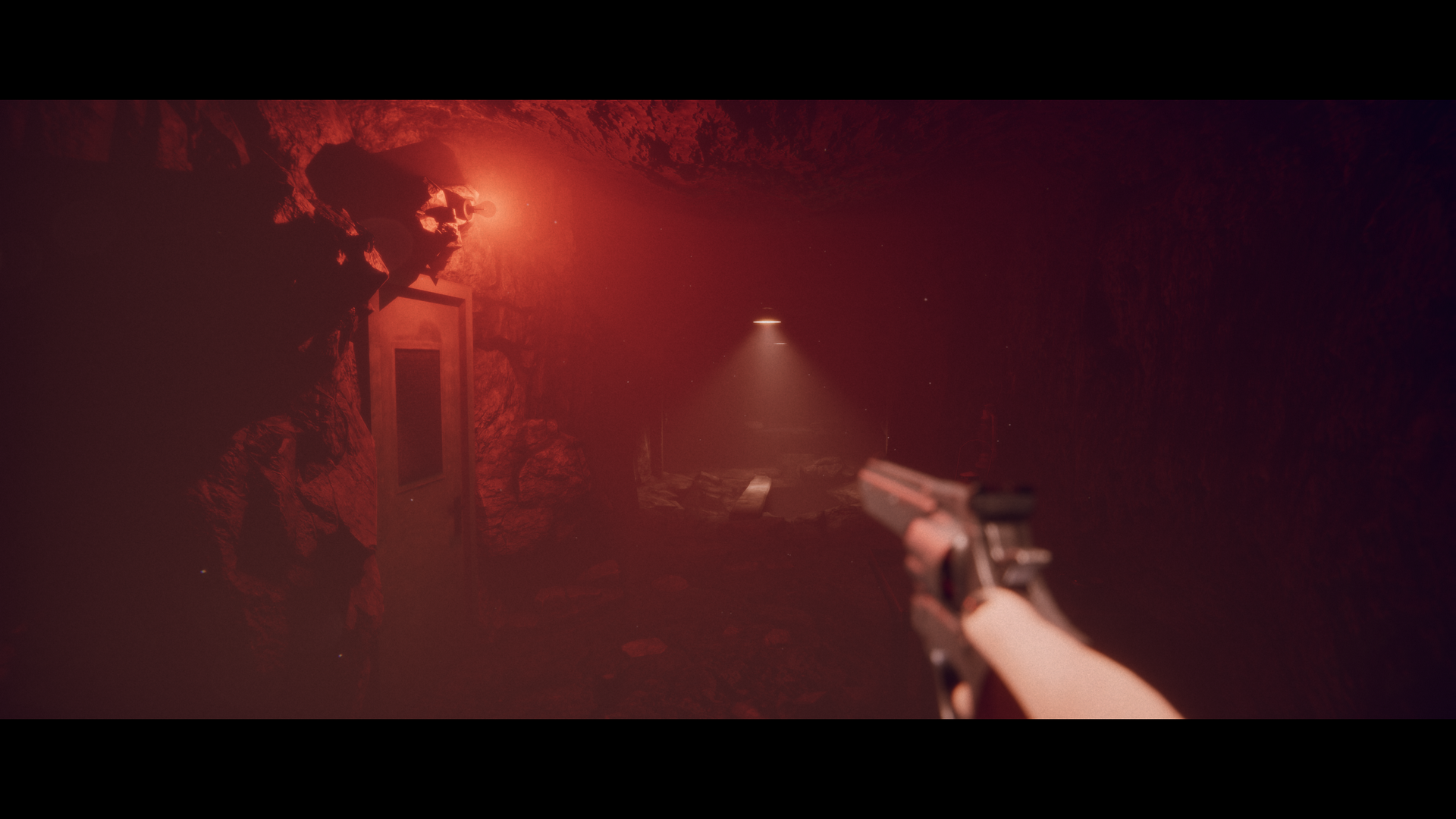
It’s well written from a narrative standpoint, as Dakota is forced to confront her past. The game primarily takes place across two locations. The cabin and its surrounding areas, and, on the other side, a mysterious red door that feels almost like a hallucination. These sections pull Dakota back into moments from her past, whether that’s her old home or her former office job.
Dakota begins to thrive off these hallucinations/experiences, using them as inspiration for her music. The game is split into three acts, each built around these different scenarios. But it’s not without consequences. Dakota suffers from a severe panic attack, and it’s one of the most realistic depictions I’ve seen in a video game, brought to life by a fantastic performance from the voice actor.
From a gameplay standpoint, this is a horror game at its core, and these sections beyond the door feel heavily inspired by Resident Evil, and in many ways, they’re both the best and worst parts of the gameplay experience. Combat is slow and clunky, whether using the axe or firearms. I never really felt in control, and some cat-and-mouse enemy encounters quickly grew tedious.
That said, the puzzles are a standout across the board. One in particular features a weeping angel-style enemy already terrifying on its own, but having to input piano keys in the correct order while it’s on your tail adds a whole new layer of tension. Another has you adjusting the times on different clocks in the correct order to gain a piece of a mannequin, so you can put it back together in a P.T.-style hallway section.
Puzzles aren’t exclusive to this realm, though. Back at the cabin, the water filter needs to be replaced, so you have to replace it and turn the taps on in the correct order to get it working. Same with the radio tower, switches must be clicked in order to get in touch with Rob through a walkie-talkie.
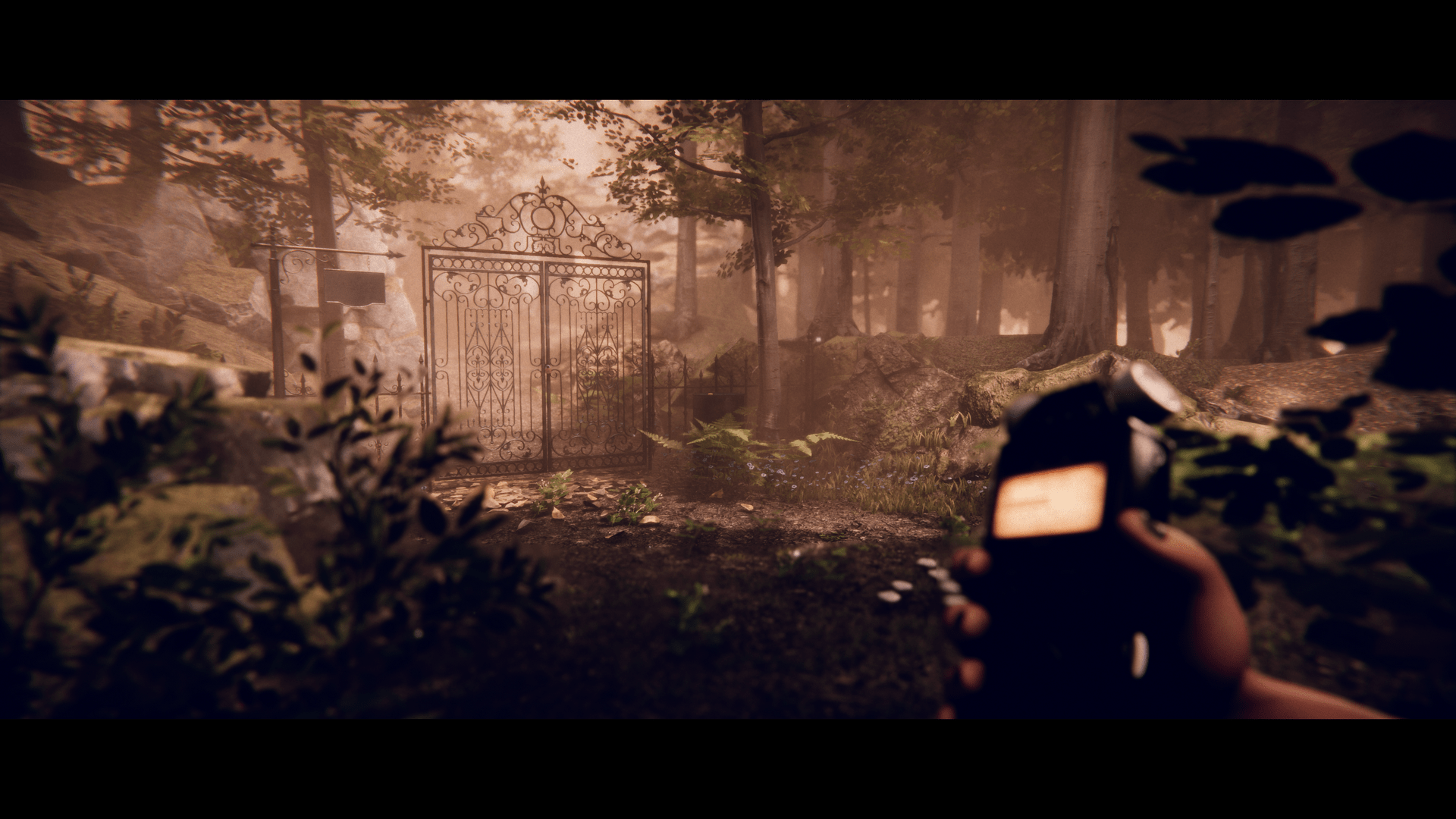
The cabin itself is mostly peaceful, though some horror elements do begin to creep in later on, which I won’t spoil. Dakota also has access to a range of tools, with the most important being her camera and a nature microphone. Taking photos was a lot of fun, and I found myself treating them like potential album covers.
Her nature microphone also ties directly into her music production. You’ll record different ambient sounds like water dripping or birds chirping, which are then turned into elements of her tracks, from percussion or synth sounds. As the story progresses, so does the progression of her album, which you can listen to in the cabin.
Her music isn’t the only music you can listen to, either; licensed music is available to play in the cabin, also. The audio plays a huge part; besides the music journey, the enemy audio is well done and is creepy as they sneak up on you from behind.
Graphically, I’m glad it doesn’t fall into the trap of reusing the same flipped assets you often see in indie horror games. The area around the cabin has a genuinely peaceful feel, often bathed in warm sunset light that gives everything a nice orange glow. Beyond the red doors, the environments change completely, as I said. These sections feel similar to maze-like spaces, seemingly inspired by the interiors of factories or old apartment blocks.
Overall, Project Songbird is an artsy horror project. It deals with heavy mental health topics while also offering incredible puzzles. Some clunky combat and some tedious enemy encounters take away from the game; however, it’s definitely worth your time.

The Good
- Strong writing
- Mature approach to mental health
- I loved the focus on music
- Really solid puzzles, the weeping angels were terrifying
The Bad
- Combat is a little clunky
- Some enemies are tedious
7.5
___
10